University of Maryland Medical Center Baltimore
University of Maryland Medical Center Baltimore shows up in Maryland listings as an outpatient program for substance use and co-occurring disorders. Its SAMHSA FindTreatment.gov listing gives the address as 1001 West Pratt Street and notes a typical program length of 30 days. This page covers what the listing says and how to check whether it fits.
- Outpatient
- Co-Occurring Mental Health
- 30 days
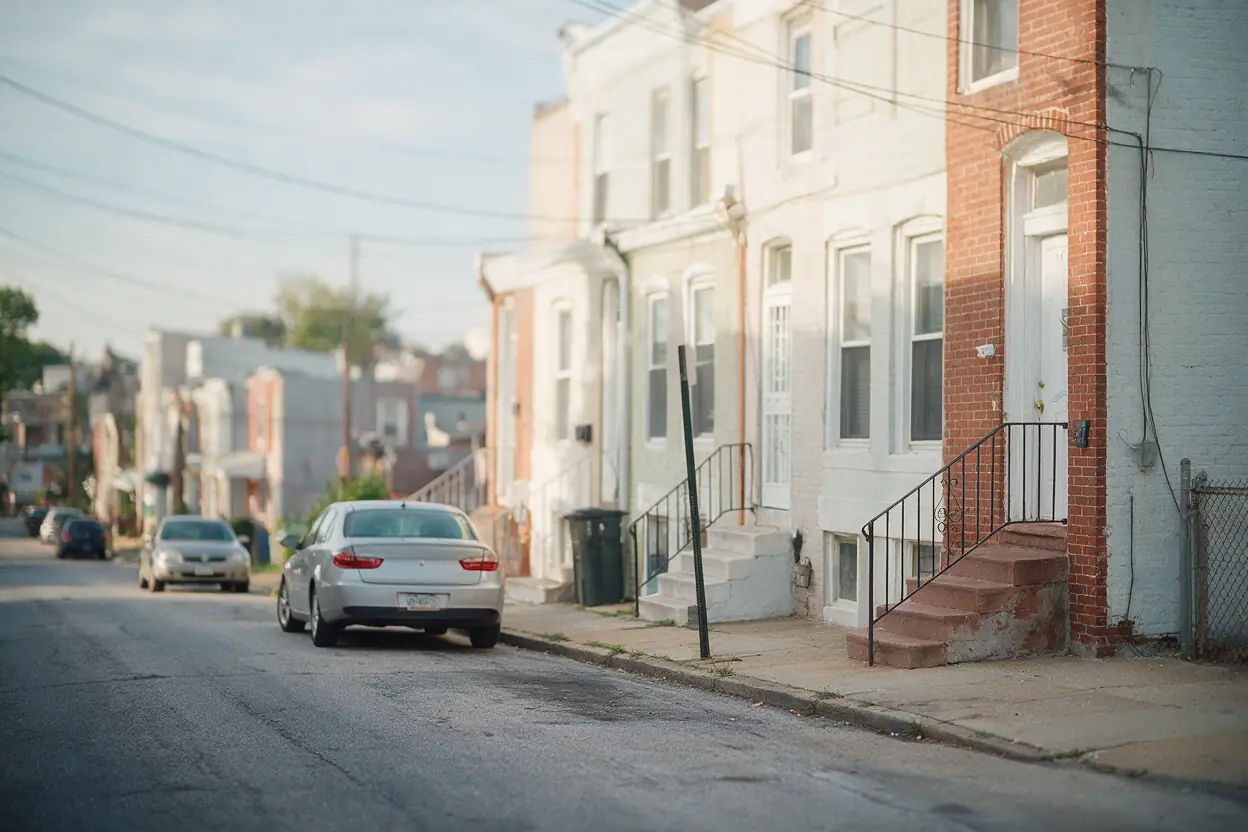
Listed through SAMHSA FindTreatment.gov, the University of Maryland Medical Center Systemoration at 1001 West Pratt Street in Baltimore is a rehab and mental health program. It works with people facing substance use and mental health conditions at once, addressing both together rather than separately. Maryland addiction treatment centers like this one in Baltimore treat drug and alcohol concerns alongside co-occurring conditions, and the center's own description emphasizes combined care for both.
Therapy is central to how the program operates. One-on-one counseling, cognitive behavioral therapy, group therapy, and medication-assisted treatment all appear in its listing, along with motivational interviewing and life skills work. A typical program lasts about 30 days, and care is given on an outpatient basis, so people attend sessions while living at home. Rehab programs in Maryland that offer outpatient care in Baltimore can fit around work, school, and family duties.
University of Maryland Medical Center
The center lists outpatient care as its care level, and it pairs that with co-occurring mental health treatment. For someone with a dual diagnosis, this means substance use counseling and mental health care happen under one plan rather than in two separate places. Dual diagnosis treatment in Baltimore lets a person address addiction and a mental health condition together.
The therapies offered include one-on-one therapy and cognitive behavioral therapy, group therapy, and medication-assisted treatment, alongside trauma-specific therapy and relapse prevention counseling. Online therapy also appears in the listing. A typical stay lasts around 30 days. When weighing outpatient against residential care, the choice usually comes down to how much daily structure a person needs. Continuing care after the program may include an intensive outpatient program, recovery coaching, and support meetings.
- Cognitive Behavioral Therapy
- Relapse Prevention Counseling
- Medication-Assisted Treatment
- Motivational Interviewing
- Group Therapy
- Life Skills
- Online Therapy
- 1-on-1 Counseling
- Trauma-Specific Therapy
Who the Baltimore program serves
- Adults of every gender, including men and women in Baltimore
- Young adults and older adults
- Veterans
- LGBTQ+ individuals
- People with trauma histories
- People facing perinatal mental health concerns
The West Pratt Street setting
This center is located at 1001 West Pratt Street in Baltimore, within an urban hospital district. Because care is outpatient, participants attend scheduled sessions and then go home. Outpatient rehab in Baltimore may fit a person with stable housing and nearby support. If getting into the city every day is difficult, ask about online therapy before you decide against the program.
Paying for care at the Baltimore center
This listing does not publish payment information, so you will need to call the center directly with cost questions. Cash pay rates are mentioned as an option. If insurance is part of your plan, check with your insurer about whether this Baltimore provider is in network before scheduling. Maryland Medicaid may cover addiction treatment, so ask the program whether it accepts Medicaid. The state has 422 facilities listed, so it is reasonable to compare a few before you choose.
Questions to ask the center in Baltimore
- How are substance use and mental health care combined in one treatment plan?
- What would a typical 30-day outpatient schedule involve from one week to the next?
- Is medication-assisted treatment available, and who provides it?
- Does the program accept Maryland Medicaid or my private insurance?
- What continuing care options follow the end of the program?

Other options in Baltimore
-
Humble Beginnings Recovery
5.0/551 Google reviews
Baltimore, MDUsual stay 30 days
- Residential Rehab
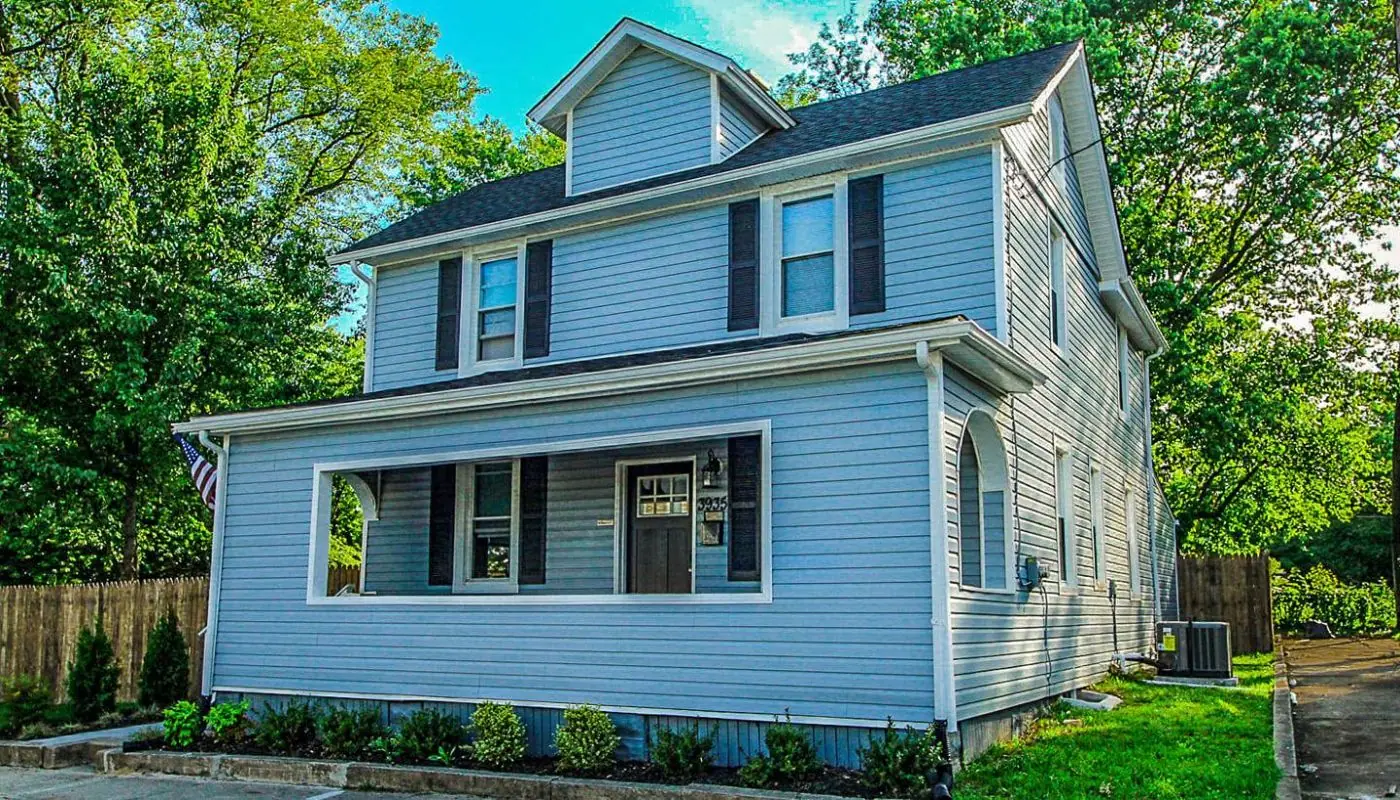
Humble Beginnings Recovery Baltimore serves men in a residential setting on Southern Avenue.
-
Baltimore, MDUsual stay 30 days
- Outpatient
- Co-Occurring Mental Health
Associated Catholic Charities Baltimore operates an outpatient clinic serving people with substance use and mental health needs.
-
Northern Parkway Treatment Services
3.1/516 Google reviews
Baltimore, MDUsual stay 30 days
- Outpatient
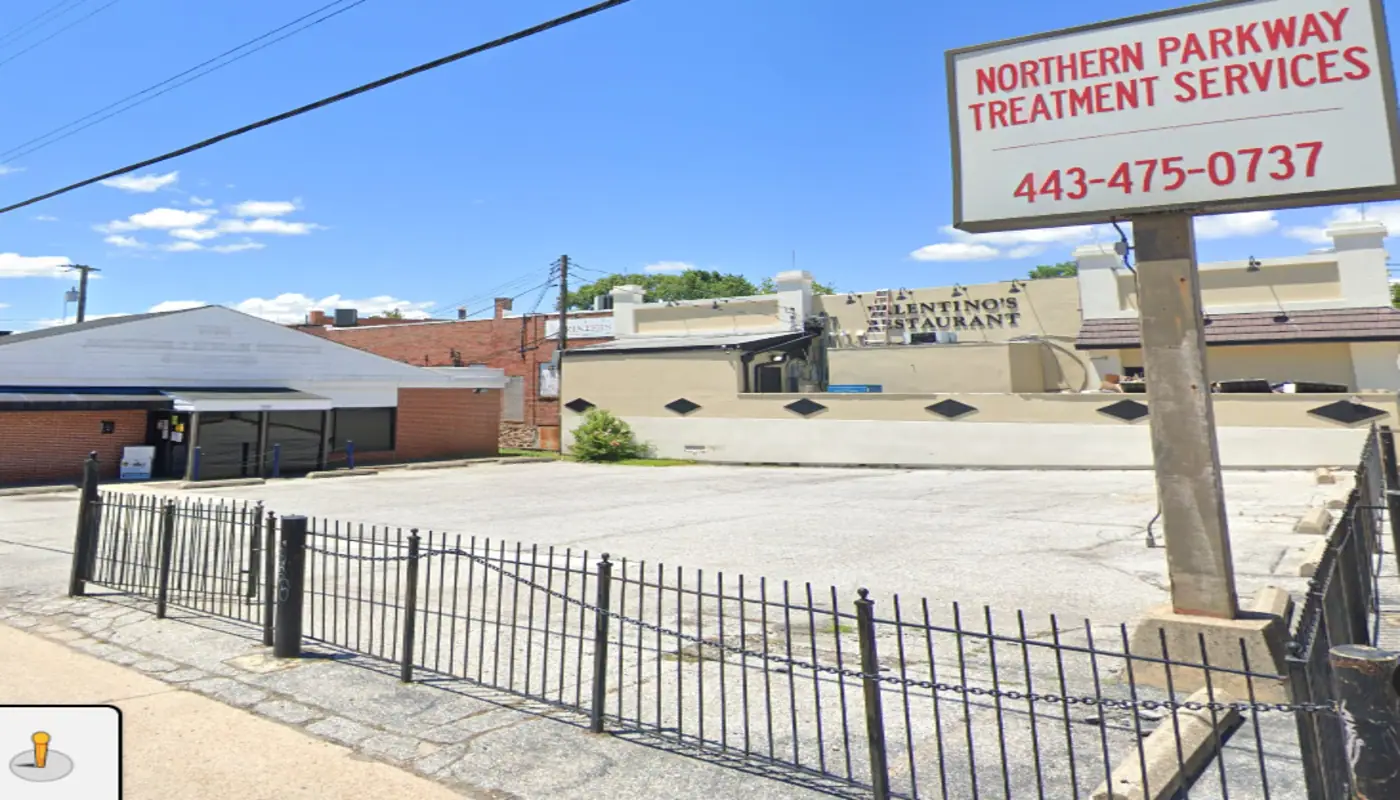
Northern Parkway Treatment Services is an outpatient program on East Northern Parkway in Baltimore.
-
By Grace Counseling Services
Joint CommissionBaltimore, MDUsual stay 30 days31-50 beds
- Outpatient
- Residential Rehab
- Detox
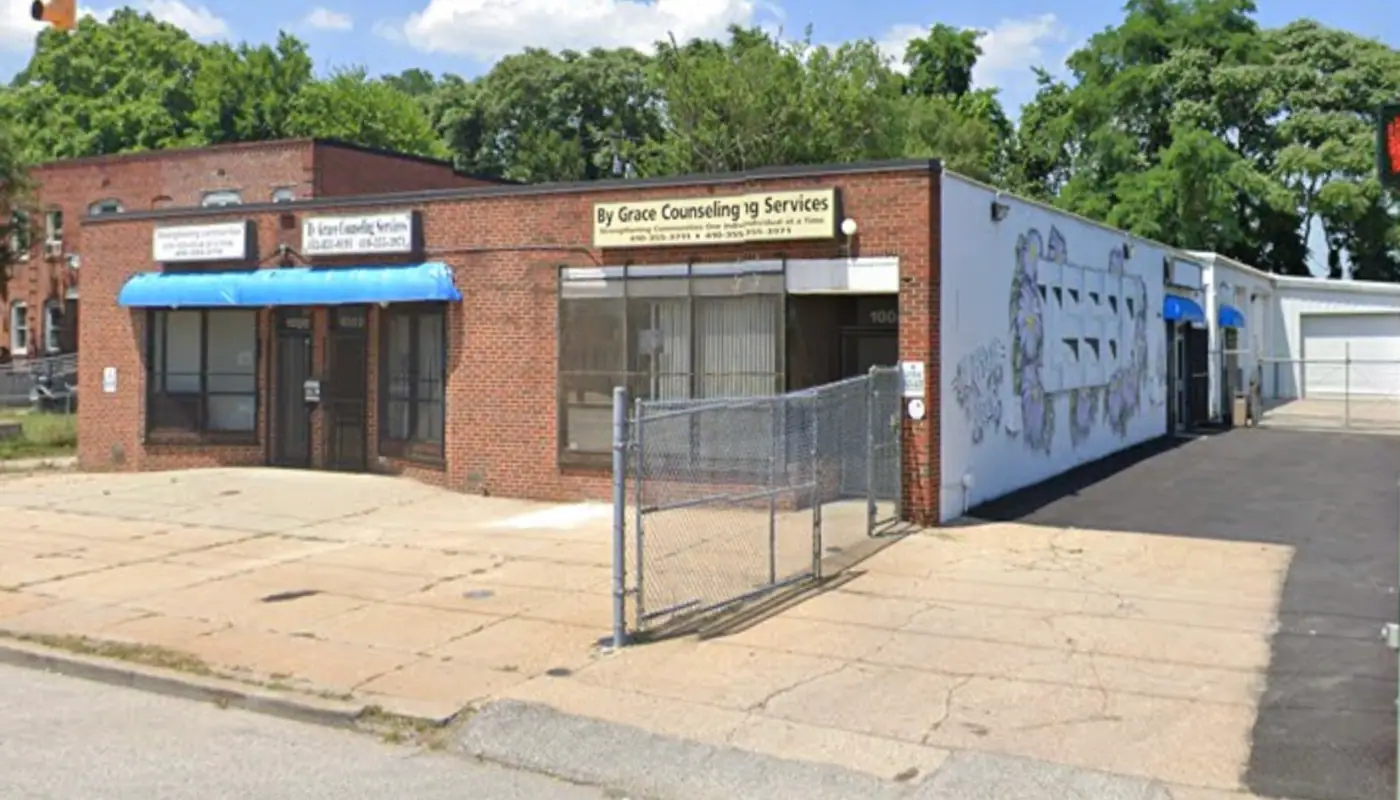
By Grace Counseling Services Baltimore is a treatment program on East Patapsco Ave.
-
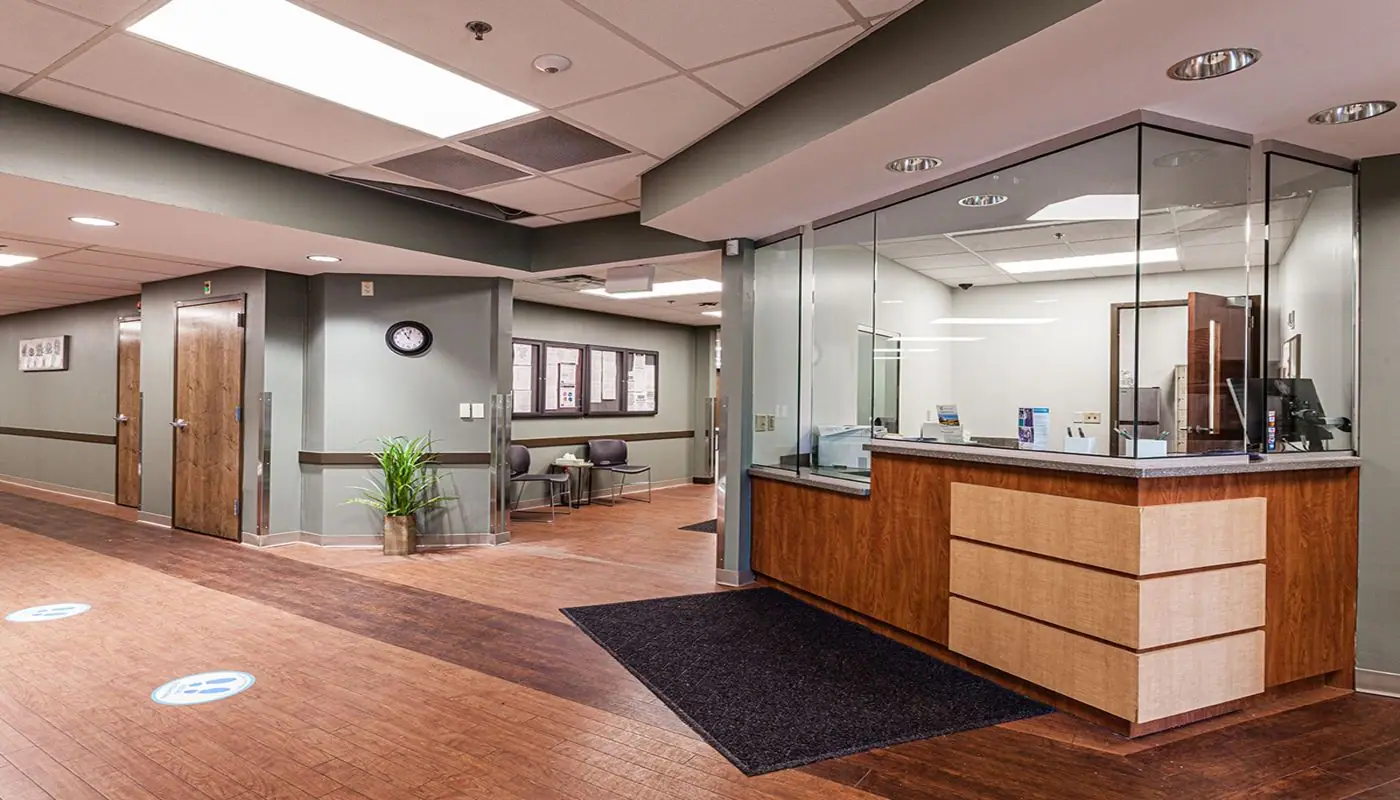
Pine Heights Comprehensive Treatment
4.4/559 Google reviews
Baltimore, MDUsual stay 30+ days
- Outpatient
Pine Heights Comprehensive Treatment Baltimore is an outpatient clinic located on Wilkens Avenue.
-
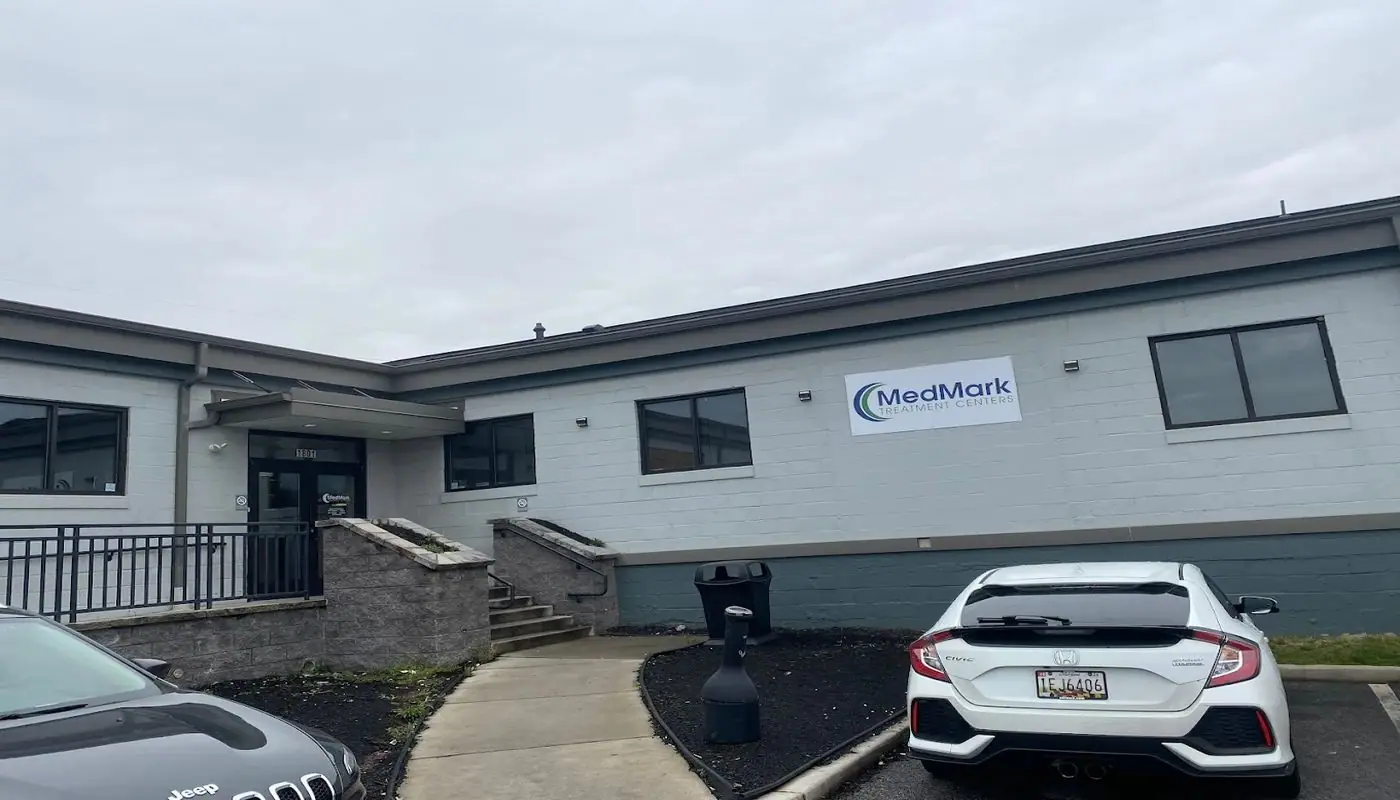
MedMark Treatment Centers Cherry Hill
3.2/538 Google reviews
Baltimore, MDUsual stay 30 days
- Outpatient
- Co-Occurring Mental Health
This page explains what Medmark Treatment Centers Cherry Hill Baltimore offers for opioid dependence.

Questions
What is the University of Maryland Medical Center Baltimore program like?
This Baltimore program is listed as outpatient care that addresses substance use alongside co-occurring disorders in one plan. Therapy options feature individual counseling cognitive behavioral therapy, group therapy, and medication-assisted treatment, and a typical stay runs about 30 days. Because the care is outpatient, participants attend scheduled sessions and stay at home.
Does University of Maryland Medical Center Baltimore accept Medicaid?
Which insurance plans the program takes is not stated in the listing, so verify that over the phone before proceeding. Cash pay rates are shown as a possibility. Maryland has 422 facilities listed on SAMHSA FindTreatment.gov, and many accept Medicaid, so ask the program directly and compare several before you settle on one.
How long do people stay in this Baltimore outpatient program?
The typical program length listed here is 30 days, though an individual plan may run longer depending on what a person needs. Outpatient care means scheduled sessions rather than a residential stay. If you want to know how those days are structured, ask about the weekly schedule and the mix of therapies.
What therapies does the center offer for dual diagnosis?
In addition to its addiction services, the program lists co-occurring disorders, which is what dual diagnosis treatment means. Therapy offerings include individual counseling, cognitive behavioral therapy, group therapy, medication-assisted treatment, motivational interviewing, trauma-focused therapy, and relapse prevention counseling. Online therapy is mentioned too, along with continuing care and recovery coaching after treatment.
Is University of Maryland Medical Center Baltimore a detox or residential rehab?
This listing describes mental health care for co-occurring conditions plus outpatient treatment, not residential or detox services. Someone who needs constant monitoring while withdrawing would require a different level of care, so ask the program what it recommends. If you are unsure what level fits, a helpline can help you work through the Maryland options.