Humble Beginnings Recovery Baltimore
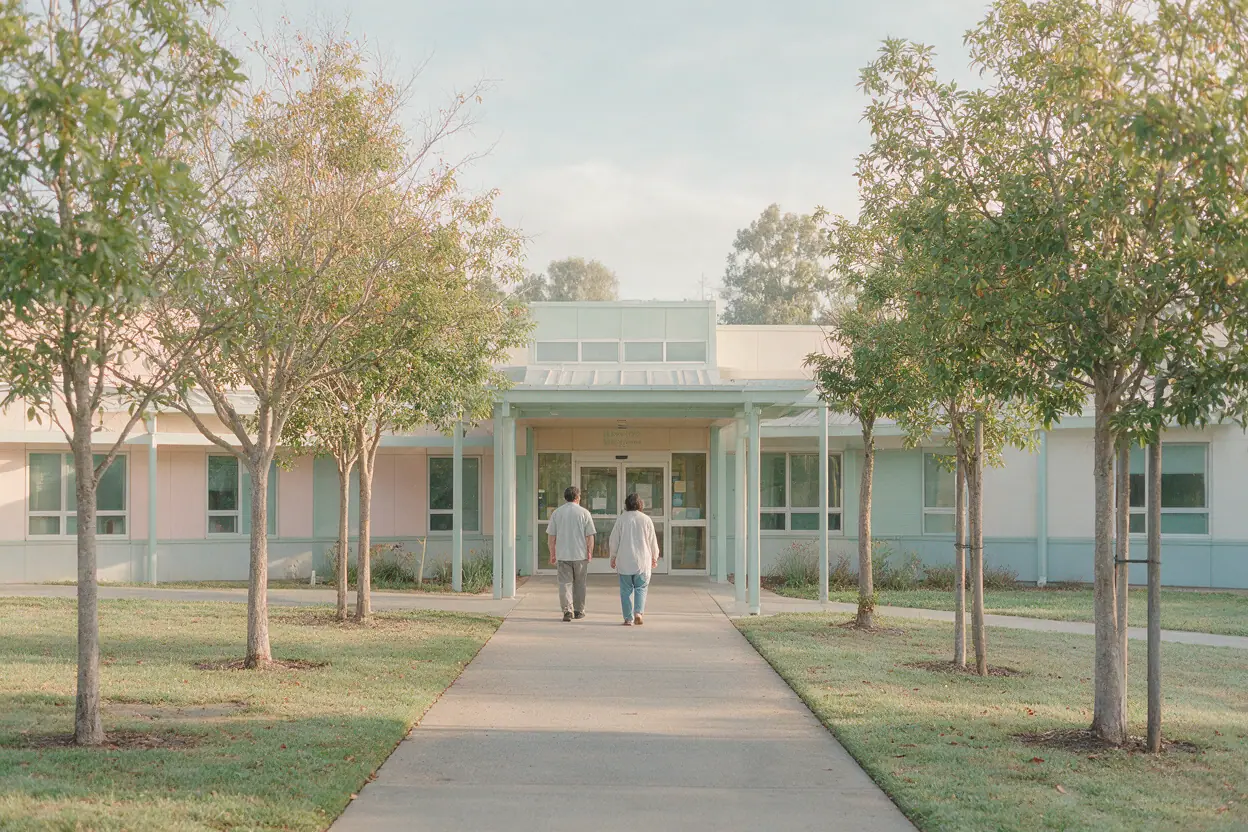
Humble Beginnings Recovery Baltimore serves men in a residential setting on Southern Avenue. This Maryland center lists one level of care, residential rehab, with a typical stay of 30 days. Counseling includes individual and group work, family sessions and life skills.
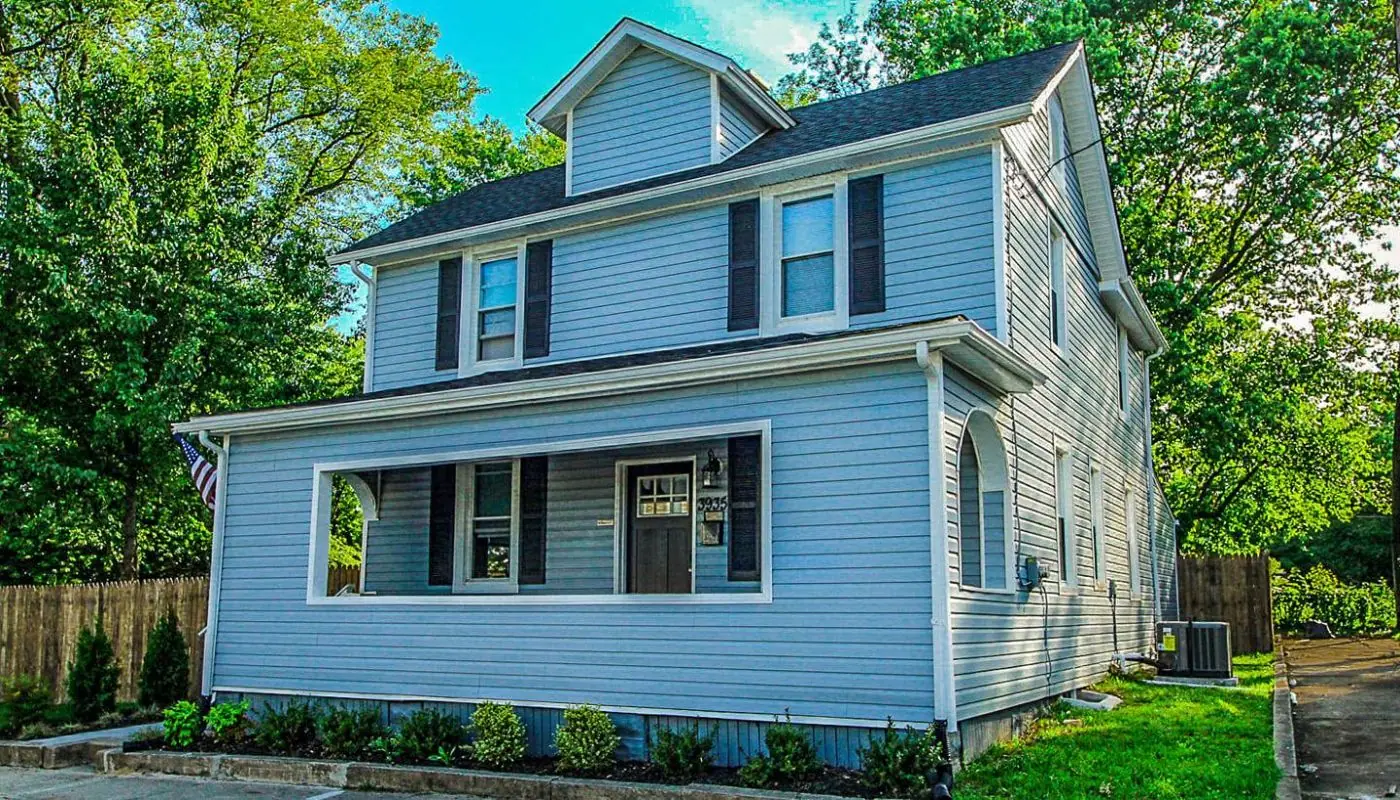
- Residential Rehab
- 30 days
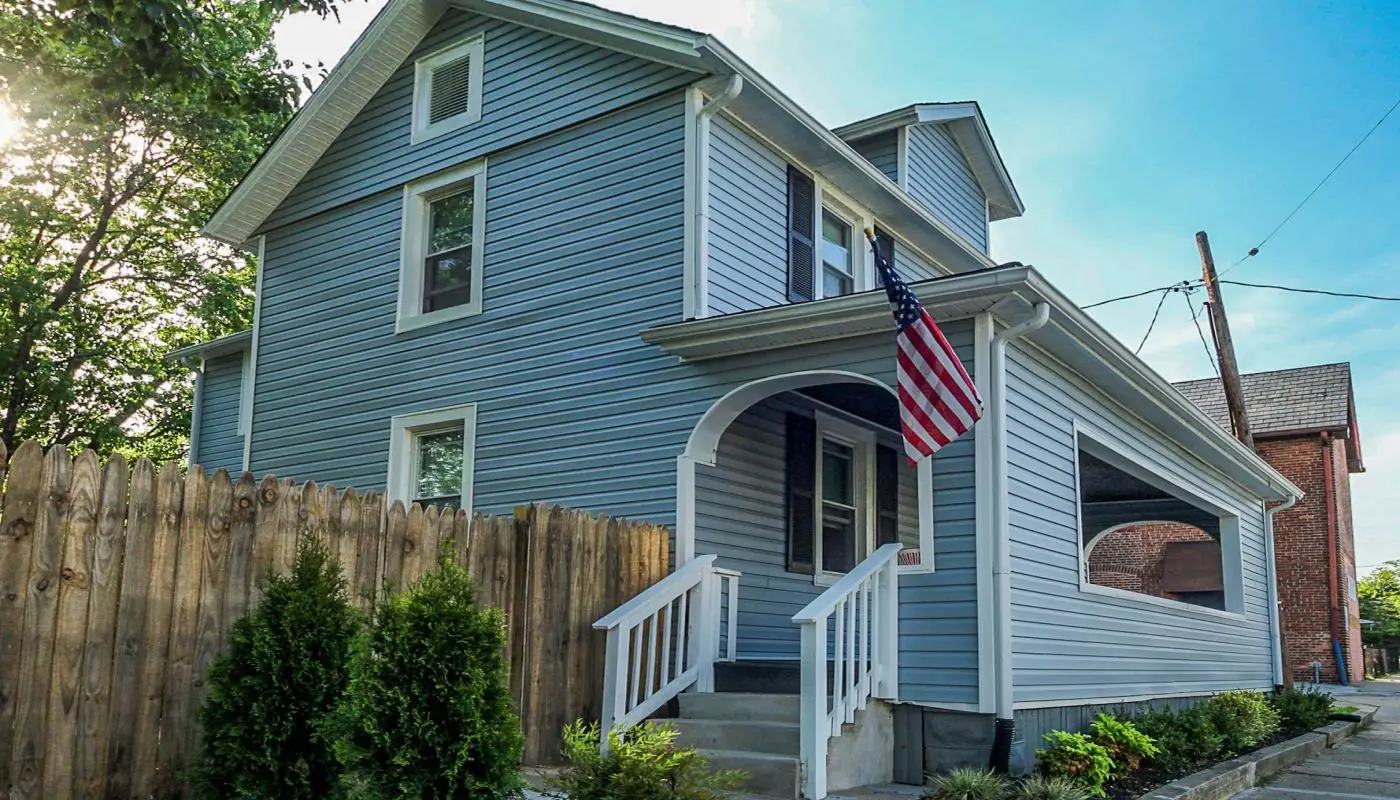
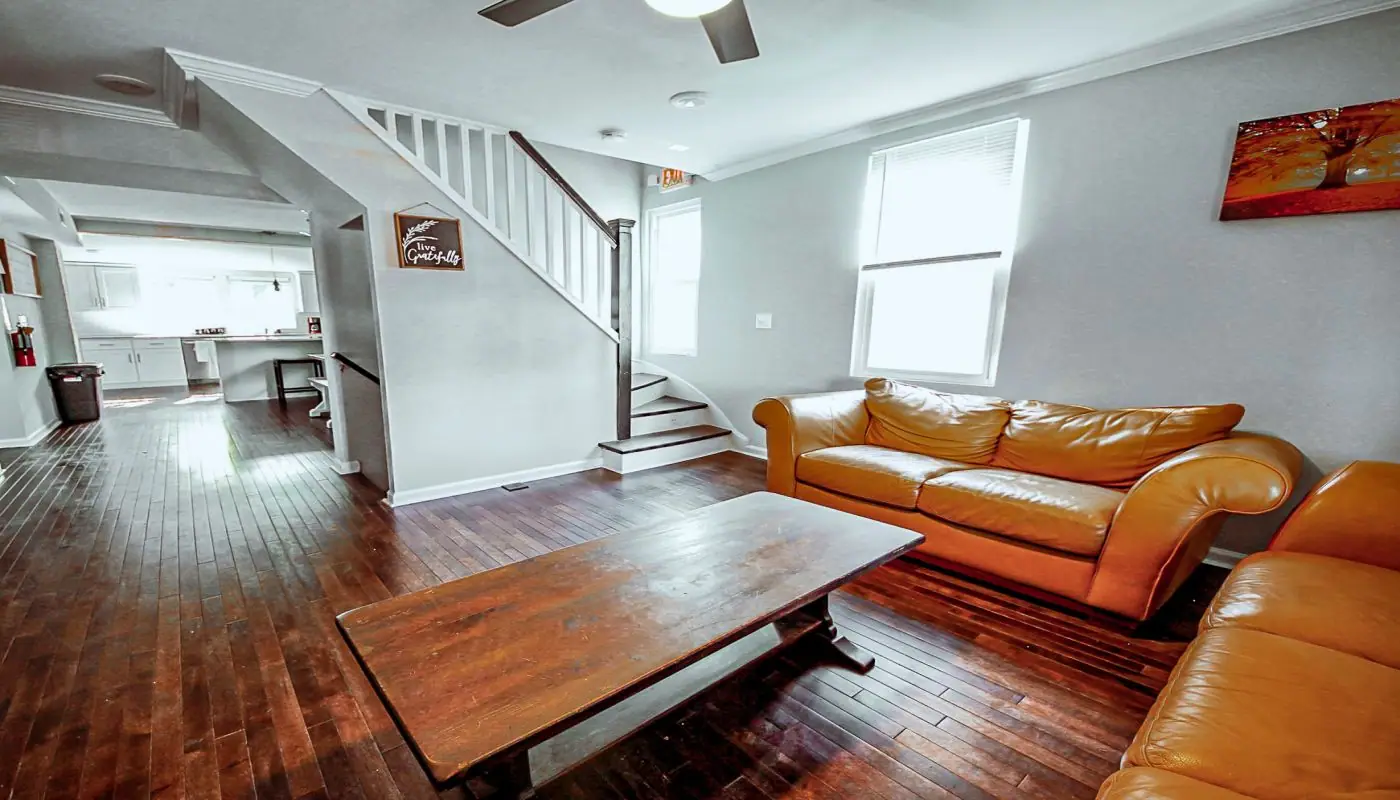
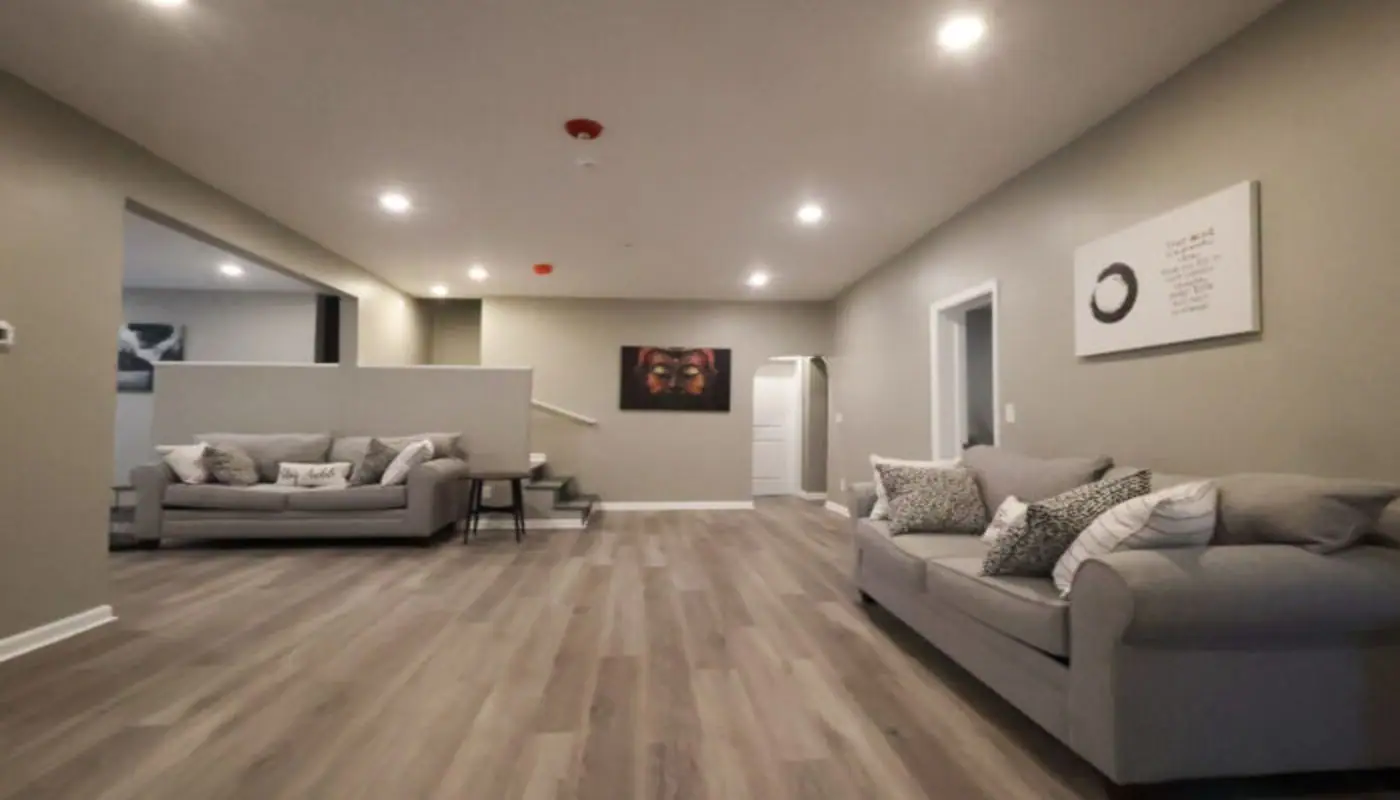
This residential program for men on Southern Avenue centers on everyday routines that support sobriety instead of one fixed clinical track. Residents participate in individual counseling, group work and peer support, and staff link them to community resources that carry on once they leave. The setting is structured yet home-like, with quiet time between scheduled sessions.
Evidence-based and holistic approaches sit side by side here, and the plan for each person is built around their own situation. Sessions with family members and hands-on life skills training are both part of the program for men in Baltimore, which also describes transitional housing for shorter and longer stays. This Maryland rehab offers low-intensity clinical services and crisis support onsite at all hours.
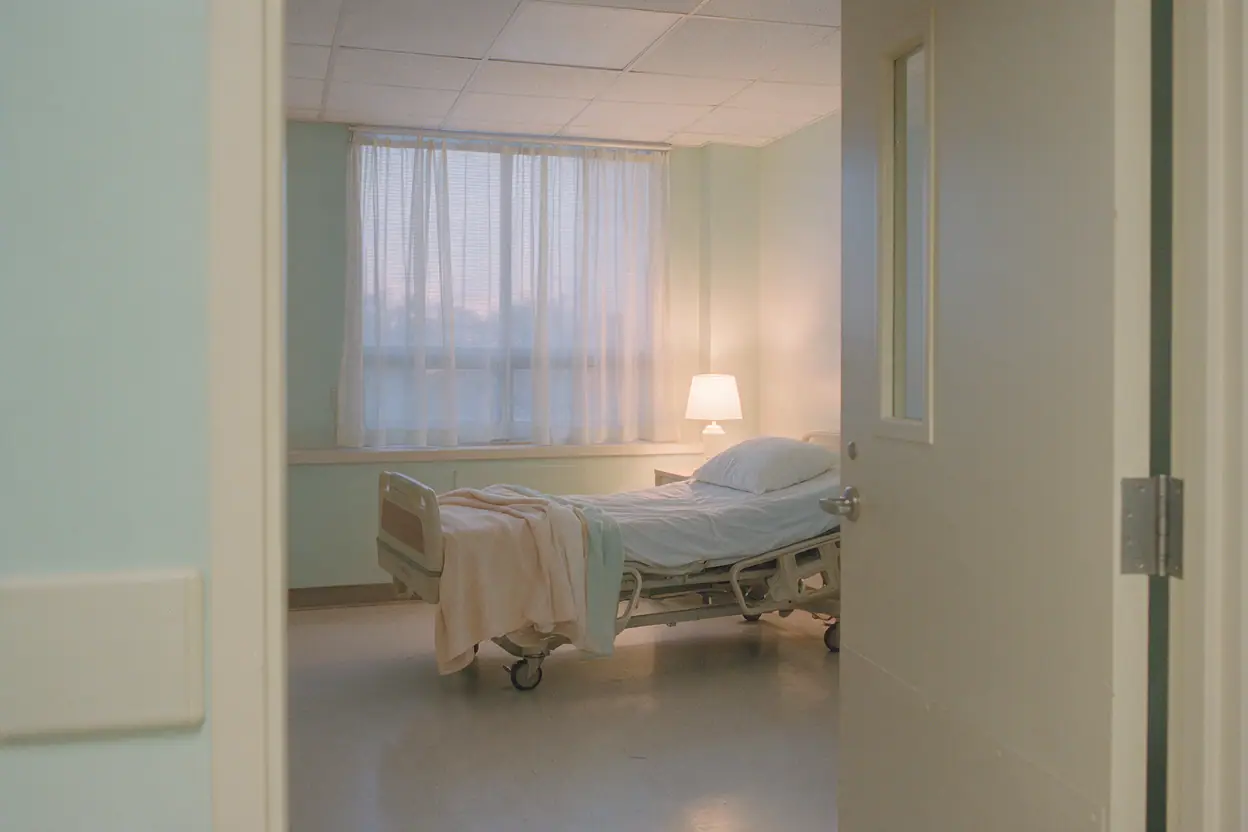
Near the program, renovated homes in the Hamilton area give residents furnished bedrooms, lock boxes for personal items and fenced backyards. These Baltimore homes offer air-conditioned rooms with desks and space for privacy between groups, which helps people settle into a residential routine.
Programs and therapies available
Residential rehab is the care option listed for this center, at a typical length of 30 days. If a clinician recommends a longer stay, then ask how the plan is reviewed before discharge. The timeline is a guide, so talk with the helpline about whether it fits the severity of someone's substance use and any co-occurring condition.
Counseling formats include one-on-one sessions, group therapy and family therapy, along with life skills training and twelve step facilitation. Staff also use cognitive behavioral therapy, acceptance and commitment therapy, motivational interviewing and trauma-specific therapy in an evidence-based, family-involved program. When trauma is part of the picture, then trauma-specific therapy can be added to the plan at this Baltimore center.
- Motivational Interviewing
- Twelve Step Facilitation
- Group Therapy
- Evidence-Based
- Acceptance and Commitment Therapy (ACT)
- Family Therapy
- Life Skills
- Twelve Step
- Trauma-Specific Therapy
- 1-on-1 Counseling
Who this program is for in Baltimore
- Men only, so women's needs are not addressed here
- Young adults, midlife adults and older adults
- Alcohol use and drug use, including prescription and synthetic drugs
- Co-occurring disorders and trauma
- People who want a structured, recovery-focused residential setting
- Those who benefit from family involvement and twelve step support
Setting and length of stay in Baltimore
The typical stay runs about 30 days, though this is a guide rather than a fixed rule. Rooms are private or shared, air-conditioned and furnished with a desk plus an armchair or sofa, and the program is offered in English. If someone needs a quieter room, then ask about shared versus private options when you call.
Paying for care at Humble Beginnings
Cash pay rates are posted, and insurance is not verified on this page. Before you make plans, call the helpline so an advisor can help you ask the center directly about coverage and what your plan would leave you to pay. If you use Maryland Medicaid, then confirm which services the center accepts before scheduling.
Questions worth asking before admission
- How is a typical day structured during the first week of residential care?
- How are co-occurring conditions and trauma addressed within the 30-day plan?
- Are family sessions required, and how often do they happen?
- What transitional housing options follow the residential phase?
- Which insurance plans and cash pay rates does the center work with?

Other options in Baltimore
-
Baltimore, MDUsual stay 30 days
- Outpatient
- Co-Occurring Mental Health
Associated Catholic Charities Baltimore operates an outpatient clinic serving people with substance use and mental health needs.
-
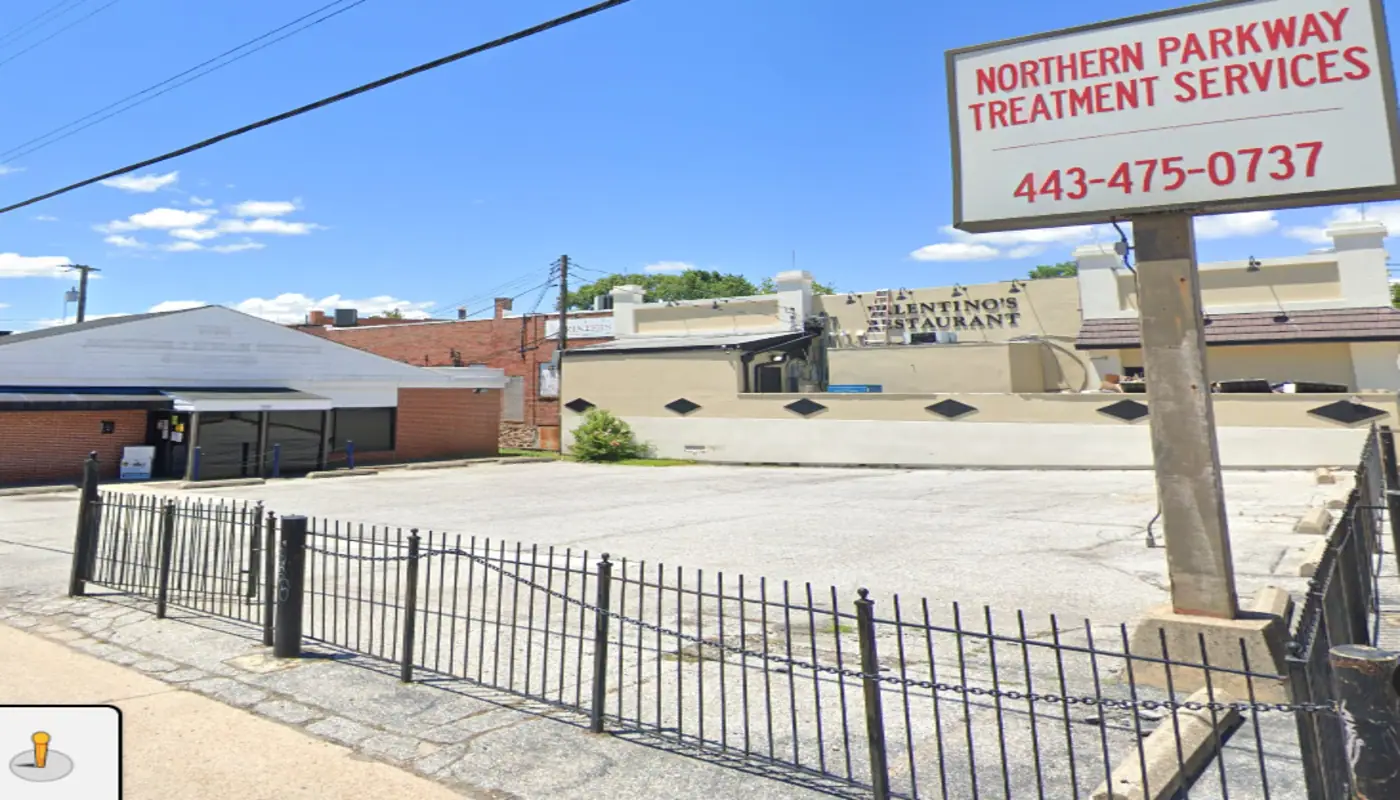
Northern Parkway Treatment Services
3.1/516 Google reviews
Baltimore, MDUsual stay 30 days
- Outpatient
Northern Parkway Treatment Services is an outpatient program on East Northern Parkway in Baltimore.
-
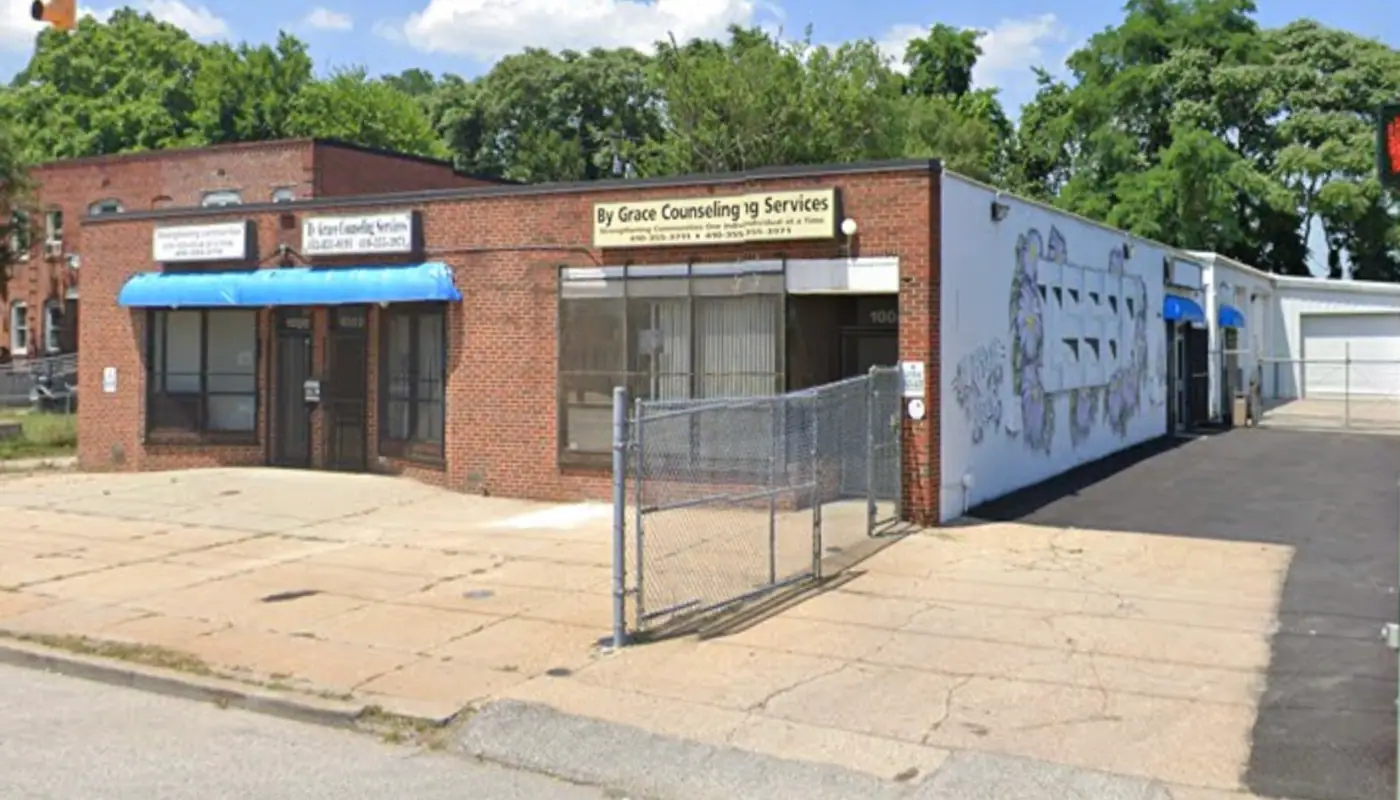
By Grace Counseling Services
Joint CommissionBaltimore, MDUsual stay 30 days31-50 beds
- Outpatient
- Residential Rehab
- Detox
By Grace Counseling Services Baltimore is a treatment program on East Patapsco Ave.
-
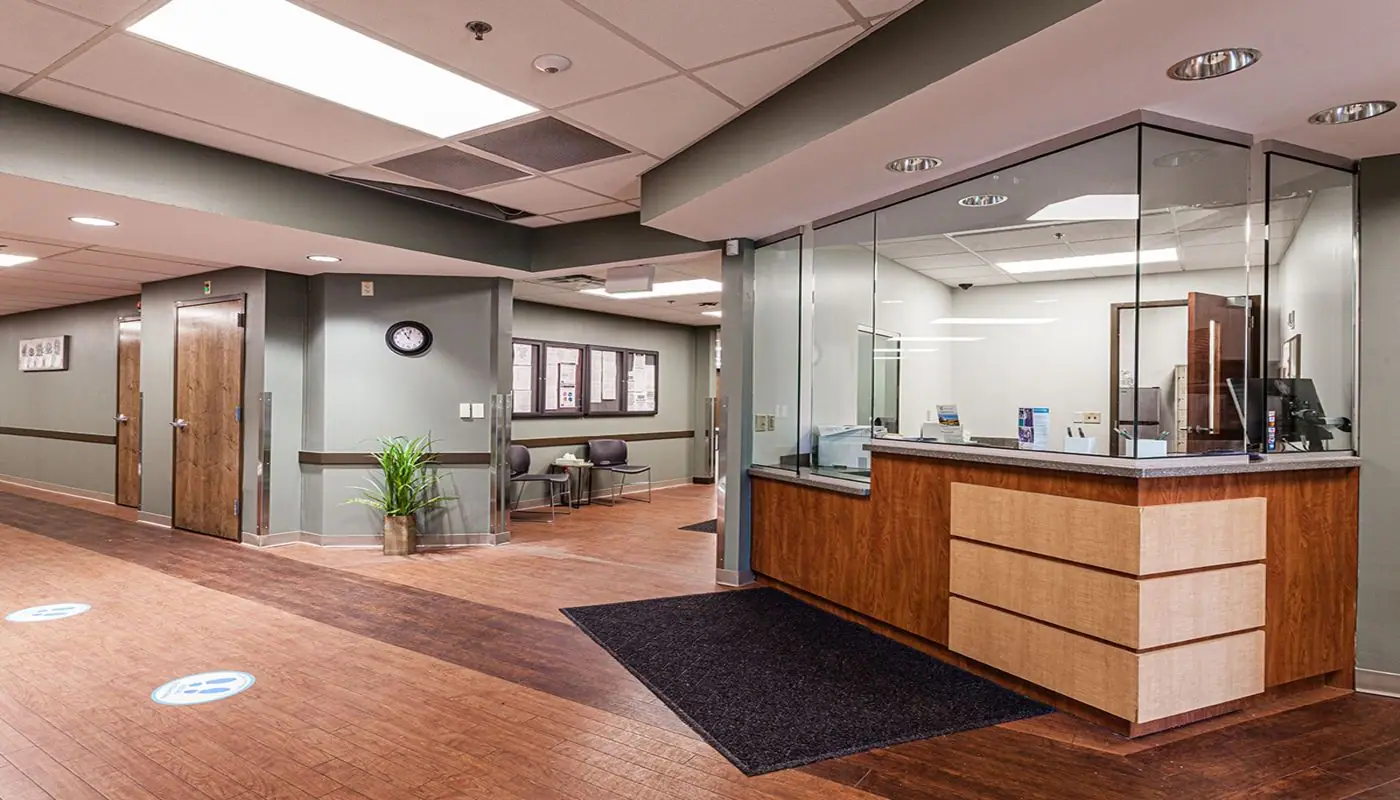
Pine Heights Comprehensive Treatment
4.4/559 Google reviews
Baltimore, MDUsual stay 30+ days
- Outpatient
Pine Heights Comprehensive Treatment Baltimore is an outpatient clinic located on Wilkens Avenue.
-
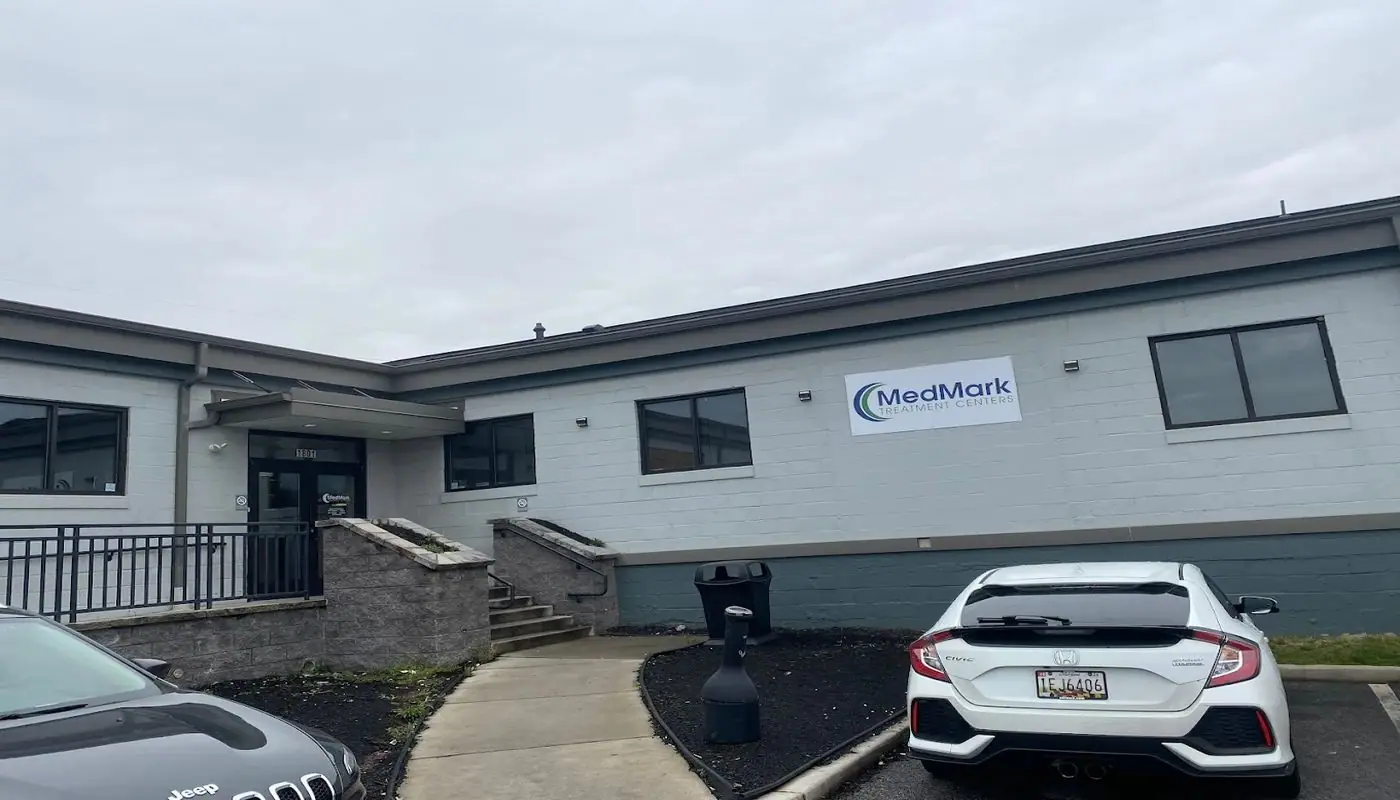
MedMark Treatment Centers Cherry Hill
3.2/538 Google reviews
Baltimore, MDUsual stay 30 days
- Outpatient
- Co-Occurring Mental Health
This page explains what Medmark Treatment Centers Cherry Hill Baltimore offers for opioid dependence.
-
Park Heights Health Services
4.4/518 Google reviews
Baltimore, MDUsual stay 30 days
- Outpatient
Park Heights Health Services is an outpatient clinic on Park Heights Avenue in Baltimore.
Questions
What is Humble Beginnings Recovery Baltimore known for?
It is a men-only residential program in Baltimore that addresses alcohol and drug use alongside co-occurring conditions and trauma. The center lists a typical stay of 30 days and combines counseling, life skills and twelve step facilitation with transitional housing. It is one of 422 SAMHSA-listed facilities in Maryland, so compare it with others before deciding. If you want to know how this rehab compares, then ask the helpline for a side-by-side look.
Does Humble Beginnings Recovery accept Medicaid?
Nothing in the program details we reviewed confirms whether Medicaid is taken, so check on that before you make any plans. Some substance use treatment is covered by Maryland's Medicaid program, although which services and which centers qualify depends on the specific plan. If Medicaid is what you rely on, ask the center straight out whether your plan is accepted. When you call the hotline an advisor can help you raise questions about Medicaid, private insurance and cash pay rates all in one conversation.
How long do people stay in residential rehab here?
According to its listing, a typical stay at this center lasts roughly 30 days. Think of that as an average, not a hard rule; the right length depends on withdrawal risk, co-occurring conditions and where the person will go after discharge. Should someone need more time, ask how the plan would be extended before the month ends. Find out how the plan gets reviewed as the month progresses, and what options exist if more time in a structured setting turns out to be necessary.
Can family be involved during a stay in Baltimore?
Yes, family therapy is among the therapies listed, and family involvement is one of the program's stated approaches. Sessions are usually used to repair communication and help relatives understand what supports recovery at home. If family members live out of state, then ask whether phone sessions are available. Ask how often family meetings occur, whether they are in person or by phone, and who is expected to attend.
Why do people usually seek treatment?
Families often start looking at rehab when drinking or drug use begins to affect a person's health, work or relationships, or when a co-occurring condition like trauma makes daily life harder to handle. This center treats alcohol, drug, prescription and synthetic drug use together with co-occurring disorders. If you aren't sure residential care is the right level, the helpline can help you sort it out.