Detox Maryland and what to expect
Knowing your choices is where a good search for a detox Maryland program begins. Statewide, 88 facilities provide medical detox, and 78 of those take Medicaid. Here you will find how levels of care differ, how payment works, and how a typical day goes.
- programs in Maryland
- 88
- take Medicaid
- 78
- take private insurance
- 76
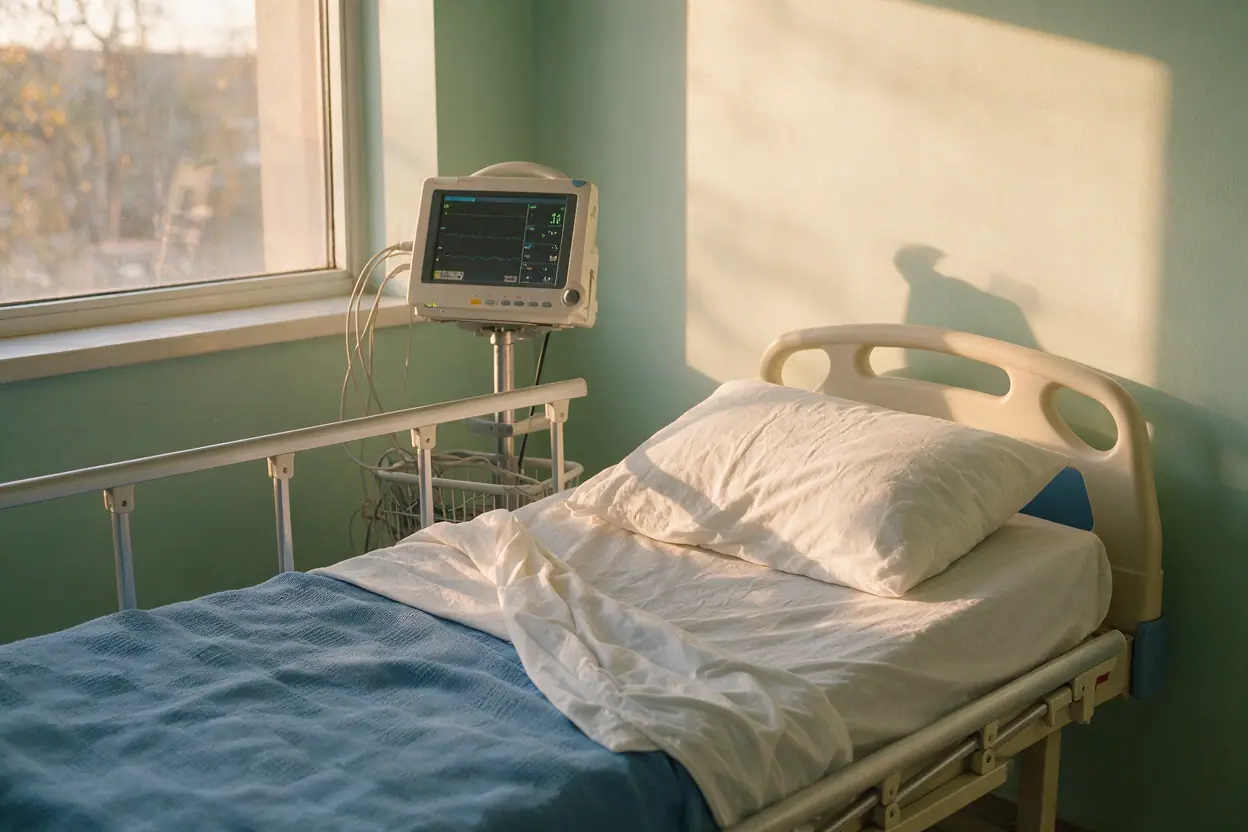
For many people, medical detox is only the opening phase of care rather than the whole course. It involves supervised assistance with the physical effects of stopping a substance, provided by medical staff who track vital signs, ease discomfort, and watch for complications. Maryland lists 88 facilities that offer this level of care, and 68 of them also provide dual diagnosis services for people with a co-occurring mental health condition. Maryland has 88 SAMHSA-listed medical detox centers, 78 of which accept Medicaid, while 70 offer telehealth. Detox does not cure anything, and it says nothing about willpower. It is a protected setting where the body can steady itself.
Days in detox tend to be calm and follow a set routine. When you arrive, you get a medical check, then regular monitoring of blood pressure, pulse, and other vitals, plus medication when the clinician judges it appropriate. Meals, rest, and groups fill the hours. Since withdrawal from alcohol and benzodiazepines can be risky, having medical staff close by matters, and they will adjust the care plan as needs change. Of the 88 detox facilities in Maryland, 68 provide dual diagnosis care for co-occurring conditions, and 13 offer services in Spanish. Before discharge, some programs connect you to the next level of care, whether residential rehab or outpatient treatment.
Paying for detox in Maryland
Few people pay the whole cost themselves. Of the 88 Maryland facilities listed for medical detox, 78 accept Medicaid, 76 accept private insurance, and 48 accept Medicare; 24 use a sliding fee scale. Federal parity law requires many health plans to cover addiction treatment similarly to how they cover medical care. If you lack insurance, ask about Maryland Medicaid eligibility and about sliding-fee options. Calling our helpline costs you nothing and keeps your details private.


Detox Maryland with Medicaid
Across Maryland, 88 facilities are listed as offering medical detox on SAMHSA FindTreatment.gov. Of these Maryland detox facilities, 78 accept Medicaid, 76 accept private insurance, and 48 accept Medicare, while 24 offer a sliding fee scale. Because Maryland adopted Medicaid expansion, more adults may qualify for coverage than they expect. Thirteen of these facilities offer services in Spanish, and 70 offer telehealth in some form.
Availability differs by region. Baltimore and the surrounding counties tend to have more detox Maryland options, while rural areas may have fewer beds and longer waits. When you call, ask which insurances the facility accepts and whether a bed is open. The helpline can help you compare Maryland detox centers by payment type and location, at no cost and with no obligation.
- take Medicaid
- 78
- take private insurance
- 76
- take Medicare
- 48
- have a sliding fee scale
- 24
| Provider | City | Levels of care | Coverage |
|---|---|---|---|
| Allegany County Health Department | Cumberland | Detox, Residential | Medicaid, Insurance, Sliding fee |
| Serenity Health LLC | Aberdeen | Detox, Outpatient, OTP | Medicaid, Medicare, Insurance |
| Sinai Addiction Recovery | Baltimore | Detox, Outpatient | Medicaid, Medicare, Insurance |
| Grace Medical Center | Baltimore | Detox, Outpatient | Medicaid, Medicare, Insurance |
| Gaudenzia Inc | Baltimore | Detox, Residential | Medicaid, Insurance |
| Glass Health Programs Inc | Baltimore | Detox, Outpatient, OTP | Medicaid, Medicare, Insurance |
| Glass Health Programs Inc | Baltimore | Detox, Outpatient, OTP | Medicaid, Medicare, Insurance |
| Reflective Treatment Center | Baltimore | Detox, Outpatient, OTP | Medicaid, Medicare, Insurance |
| One Promise Behavioral health | Baltimore | Detox, IOP, Outpatient | Medicaid, Insurance, Sliding fee |
| TruHealing Baltimore | Gwynn Oak | Detox, Residential | Medicaid, Medicare, Insurance |
What to expect from detox in Maryland
- 1
Screening and intake
Staff will ask about substance use, health history, and medications, then determine whether detox is the right level of care. If another level of care fits better, staff should explain the reasoning and refer you onward. Insurance and Medicaid coverage are typically reviewed at this point.
- 2
Stabilization
Clinical staff watch vital signs and withdrawal symptoms around the clock. Medication may be provided when appropriate. Quitting benzodiazepines and alcohol can be dangerous, so medical supervision is crucial during the entire process. Symptoms may become serious without such oversight.
- 3
Days in the program
A typical day includes checks with nursing staff, meals, rest and groups. When you enter a detox Maryland program, then expect a structured day with regular monitoring. Visitors and phone calls follow house rules. Length of stay depends on the substance, your health and how you respond.
- 4
Transition planning
Before discharge, staff typically recommend the next level of care, such as residential rehab, partial hospitalization or intensive outpatient. If you plan ahead for the next level, then you are less likely to leave without a referral. Ask for written referrals and confirm insurance coverage for that next step before you leave.

Who medical detox in Maryland fits
- People who drink heavily and risk alcohol withdrawal, which can become medically serious and calls for supervised care.
- People physically dependent on opioids or benzodiazepines who need monitoring while they stop.
- This suits people with a substance use disorder alongside a co-occurring mental health condition, since 68 detox facilities in Maryland provide dual diagnosis care.
- People who want a protected setting to stabilize before entering residential rehab, PHP, IOP or outpatient treatment.
Questions
How many detox facilities are there in Maryland?
Eighty-eight facilities in Maryland are listed as offering medical detox on SAMHSA FindTreatment.gov. Of those, 78 accept Medicaid, 76 accept private insurance, and 68 offer dual diagnosis care. These 88 detox Maryland facilities are listed by SAMHSA, but availability can change, so call to confirm current openings before making plans.
How long does detox take?
Timelines vary; there is no single one. How long it takes depends on the substance, how long it has been used, your health, and how your body responds. MedlinePlus notes that withdrawal timing differs by substance. If you enter a detox Maryland program, then staff will monitor you and decide when you are stable enough to move on. They will talk with you about the next level of care, such as residential rehab or outpatient treatment.
Does Maryland Medicaid cover detox?
Yes, many programs accept it: 78 of the 88 Maryland facilities listed for medical detox accept Medicaid. Since Maryland expanded Medicaid, more adults may be eligible than they expect. Before admission, confirm coverage with the Maryland detox facility and with state Medicaid, since rules differ from plan to plan.
Can I detox at home?
For some substances, detoxing with medical oversight is the safer path. Quitting alcohol and benzodiazepines can be dangerous, so supervision matters. If you are thinking about detoxing at home, talk with a clinician first, since this site does not provide tapering or dosing advice. A clinician can review your circumstances. If you are unsure, call the helpline and speak with a treatment advisor about Maryland options.
What happens after detox?
Detox is a first stage, not the whole of treatment. Most people move to residential rehab, partial hospitalization, intensive outpatient or outpatient care. Maryland has 110 facilities listed for inpatient and residential rehab and 210 for intensive outpatient. If you plan the next step before leaving detox, then you can confirm insurance coverage and reduce gaps in care. Ask for referrals before discharge.
What if I need dual diagnosis care?
Sixty-eight of the 88 Maryland facilities listed for medical detox provide dual diagnosis services, meaning a substance use disorder is treated alongside a mental health condition. When you call a Maryland detox center, ask during intake whether one plan addresses both conditions. If not, staff can refer you to a Maryland program that does.