Northern Parkway Treatment Services Baltimore
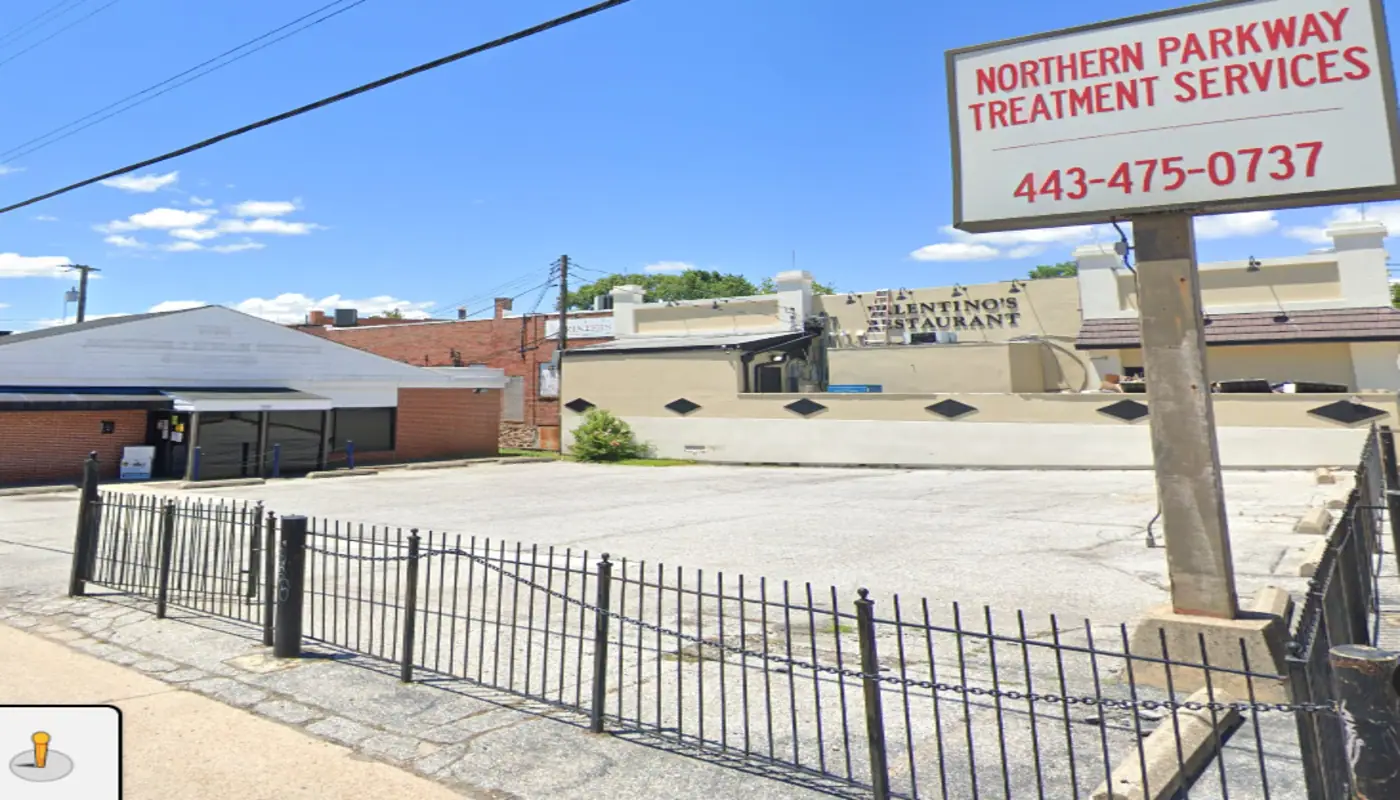
Northern Parkway Treatment Services is an outpatient program on East Northern Parkway in Baltimore. It is one of 422 SAMHSA-listed facilities in Maryland. Care centers on medication-assisted treatment and counseling for adults.
- Outpatient
- 30 days
This Baltimore clinic runs a state-certified outpatient program for adults living with opioid use disorder, including dependence on heroin and on prescription painkillers. People come here while keeping their jobs, their classes and their family routines, so treatment is built to fit around an ordinary week rather than replace it. The structure aims to pair steady, evidence-based medical care with the flexibility that daily life demands. This Baltimore clinic is one of 422 SAMHSA-listed Maryland drug rehab centers.
At this center, medical care and counseling are offered together. Someone in treatment can have their medication managed while also meeting individually with a counselor, learning about alcohol and other substances, and being pointed toward additional services when those would serve them well. Combined, these elements aim to soften the discomfort of withdrawal, make a relapse less likely and develop real-world skills for remaining stable. Each plan is built around the individual, which means the help reflects the goals that person actually holds.
Substance use disorders are the center's primary focus: stabilizing someone who is struggling, establishing relapse-prevention strategies, and directing people toward help that treats them with understanding. If you are calling on behalf of a family member, the staff's role is treatment, while the helpline's role is to help you determine whether this level of care fits. Comparing Maryland addiction treatment centers begins with matching the level of care to the need.
Northern Parkway Treatment Services
Care here is outpatient, which means visits are scheduled and the person returns home afterward. That makes it workable for someone who needs to keep a job or stay present for family, though it asks for a steady commitment to appointments. Outpatient care in Baltimore lets someone stay at home while attending regular treatment.
Counseling comes in several forms: one-on-one sessions, cognitive behavioral therapy, help with life skills, and counseling aimed at preventing relapse. Therapy over the internet is an option too. The program also provides medication-assisted treatment, a common approach for opioid use disorder. When work or school fills a person's week, online sessions make it easier to keep counseling on the calendar. For someone considering Maryland alcohol rehab or drug treatment, the level of care should match the need. The methods are described as evidence-based, individual, and medical, and continuing care is available once the main course of treatment ends.
- Evidence-Based
- Individual Treatment
- Medical
- Life Skills
- Medication-Assisted Treatment
- Cognitive Behavioral Therapy
- Online Therapy
- 1-on-1 Counseling
- Relapse Prevention Counseling
Who this program is built for
- Adults with opioid use disorder, including heroin and prescription drug dependence
- People who have a co-occurring mental health condition along with a substance use disorder
- Men and women, with services structured for both
- Individuals who want treatment while continuing work, school or family duties
- People looking for medication-assisted treatment combined with counseling
Program length and setting in Baltimore
Programs usually run 30 days, and treatment happens on an outpatient basis, which means most of a person's week still unfolds at home. Services are provided in English. An outpatient program in Baltimore lasting 30 days can fit around work and family. That length is a starting point rather than a rule, and the center can explain how it decides when someone is ready to keep going or step down. If someone has been drinking heavily or taking benzodiazepines, a medical team should oversee the beginning of any withdrawal, since managing that process alone can be dangerous.
How treatment here gets paid for
Private-pay rates appear as one choice, and the helpline can help you approach the center directly about insurance and what it covers. If your plan is Medicaid managed care, confirming it before a start date keeps a surprise bill from showing up. Call the helpline to check coverage before you commit to a start date. This site provides information, not medical care; the helpline links callers to licensed providers through trained advisors, has no cost, and stays private. Nothing is promised about admission or what insurance will pay.
Questions worth asking before admission
- How often would appointments be scheduled each week during the 30 days?
- Is medication-assisted treatment required, or can counseling stand alone?
- How does the center coordinate care for a co-occurring mental health condition?
- What does continuing care involve after the program ends?
- Which insurance plans and cash pay rates apply, and what will I owe?
Other options in Baltimore
-
Humble Beginnings Recovery
5.0/551 Google reviews
Baltimore, MDUsual stay 30 days
- Residential Rehab
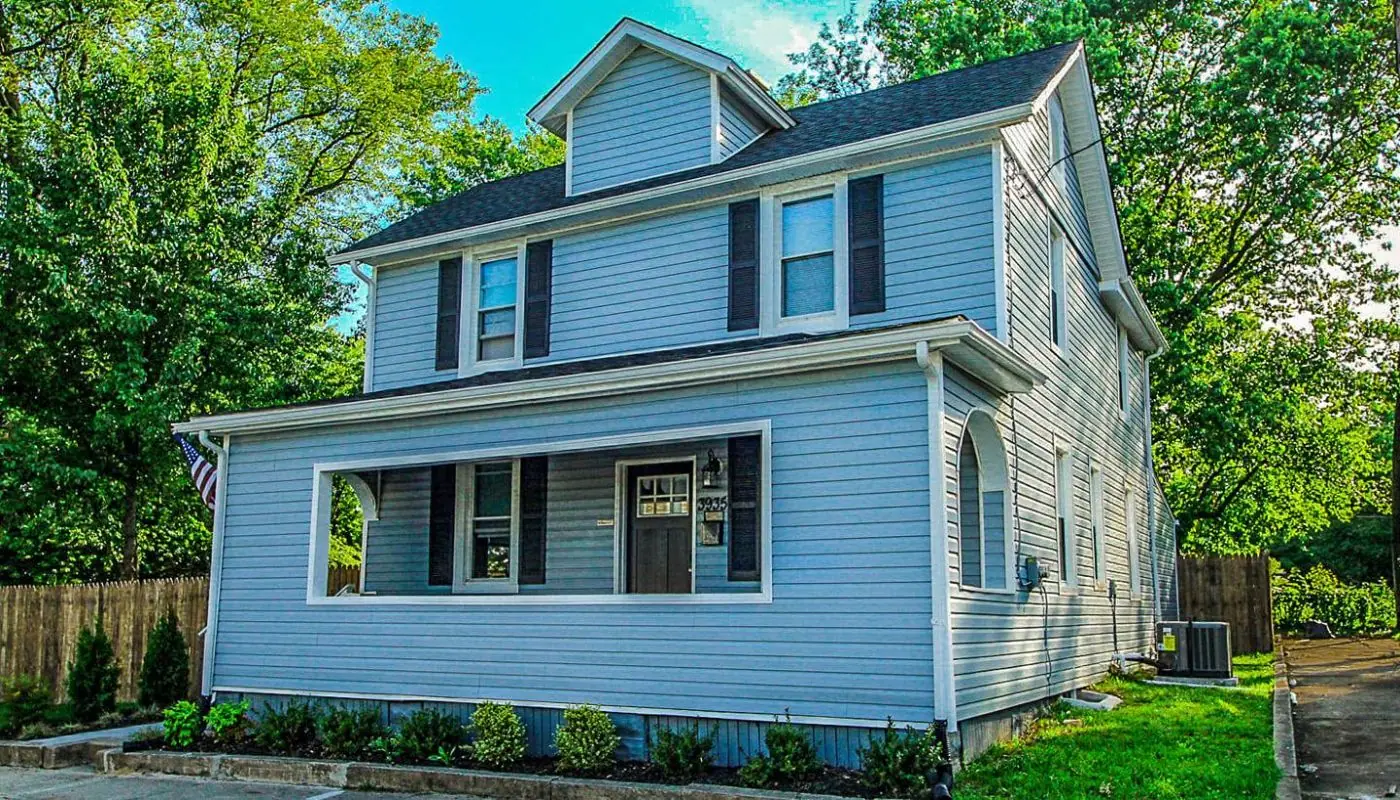
Humble Beginnings Recovery Baltimore serves men in a residential setting on Southern Avenue.
-
Baltimore, MDUsual stay 30 days
- Outpatient
- Co-Occurring Mental Health
Associated Catholic Charities Baltimore operates an outpatient clinic serving people with substance use and mental health needs.
-
By Grace Counseling Services
Joint CommissionBaltimore, MDUsual stay 30 days31-50 beds
- Outpatient
- Residential Rehab
- Detox
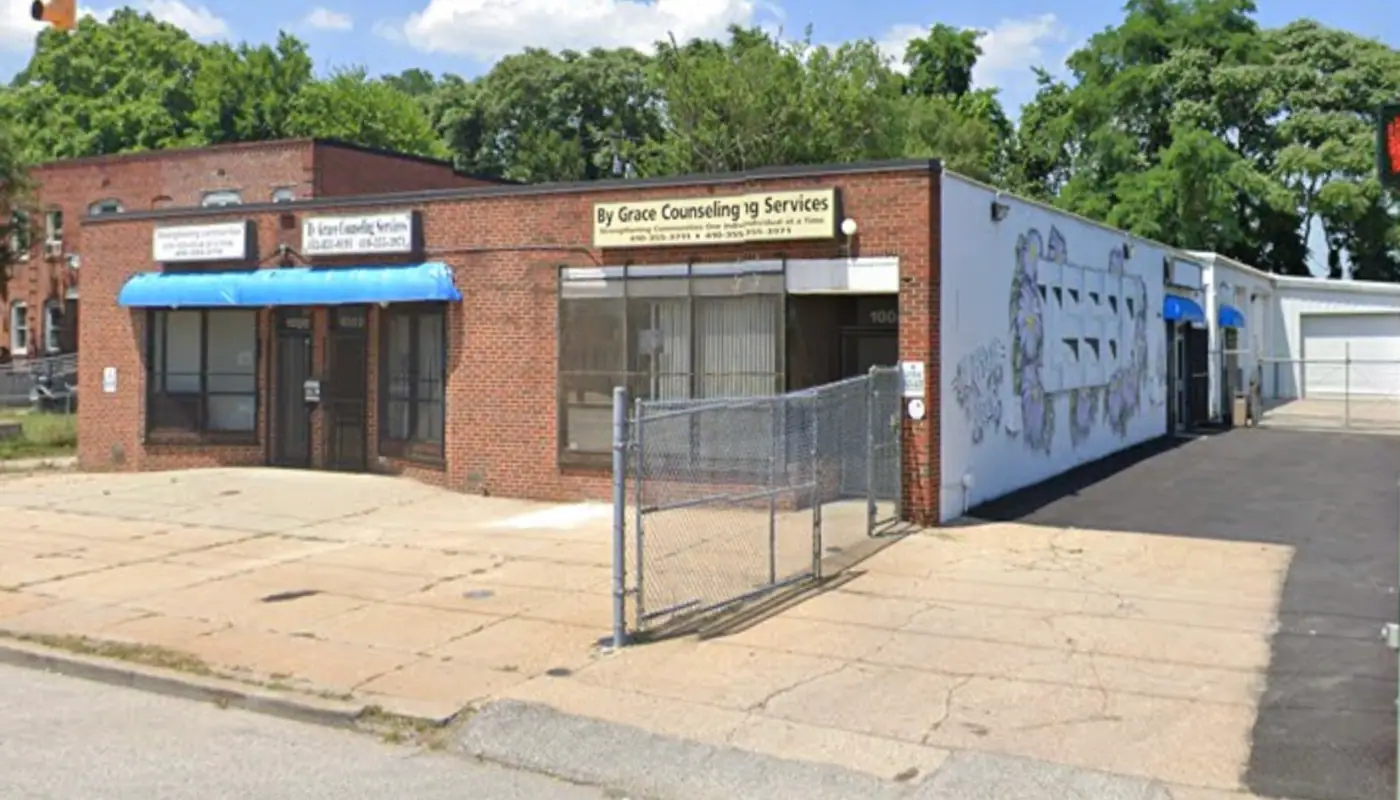
By Grace Counseling Services Baltimore is a treatment program on East Patapsco Ave.
-
Pine Heights Comprehensive Treatment
4.4/559 Google reviews
Baltimore, MDUsual stay 30+ days
- Outpatient
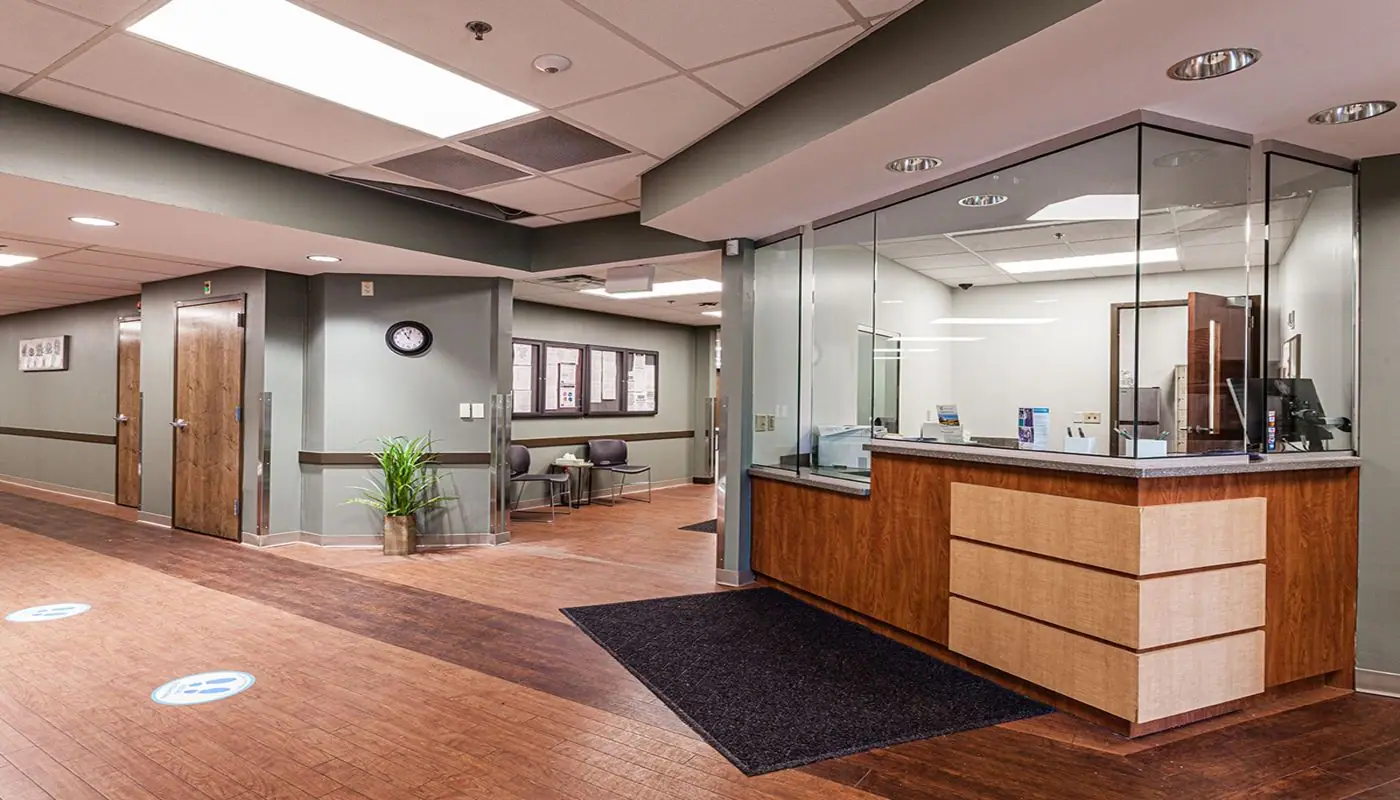
Pine Heights Comprehensive Treatment Baltimore is an outpatient clinic located on Wilkens Avenue.
-
MedMark Treatment Centers Cherry Hill
3.2/538 Google reviews
Baltimore, MDUsual stay 30 days
- Outpatient
- Co-Occurring Mental Health
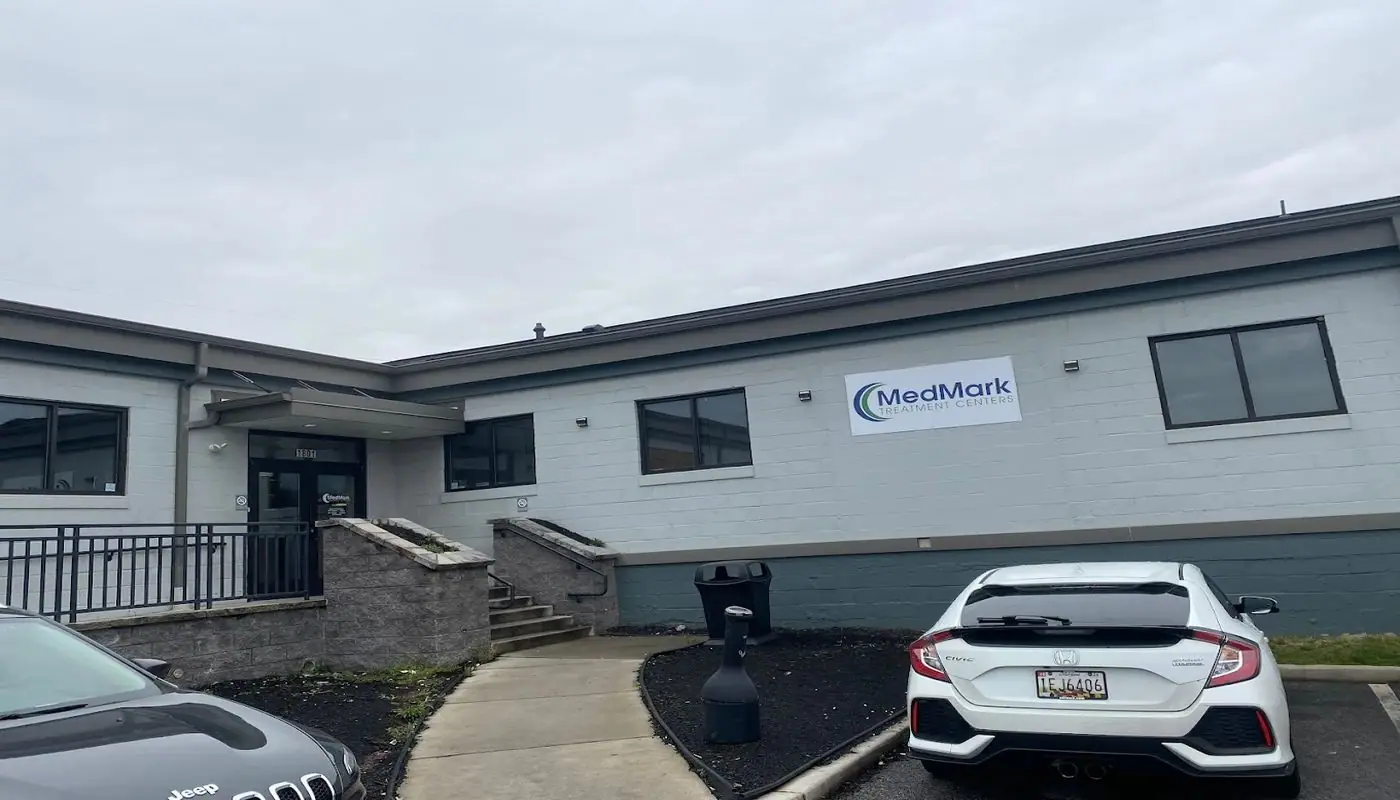
This page explains what Medmark Treatment Centers Cherry Hill Baltimore offers for opioid dependence.
-
Park Heights Health Services
4.4/518 Google reviews
Baltimore, MDUsual stay 30 days
- Outpatient
Park Heights Health Services is an outpatient clinic on Park Heights Avenue in Baltimore.

Questions
What is Northern Parkway Treatment Services Baltimore known for?
It is a state-certified outpatient program in Baltimore focused on opioid use disorder, including heroin and prescription opioid dependence. Medication-assisted treatment with methadone is part of the offering, combined with counseling. The center is listed among 422 facilities in Maryland on SAMHSA FindTreatment.gov. Outpatient care means someone can keep working, studying and managing family duties while attending scheduled visits.
How long do people usually stay in this outpatient program?
The typical program length is 30 days. Because care is outpatient, those 30 days involve scheduled visits rather than an overnight stay, and someone continues living at home throughout. Length can shift based on how treatment is going and what the person needs. Ask the center how it decides when continuing care should begin.
Does Northern Parkway Treatment Services take Medicaid?
The listing includes private-pay rates but does not confirm that Medicaid is accepted, so call to verify. Before you commit, the helpline can help you check whether Maryland Medicaid or another plan covers care here. Reimbursement changes with your plan and care level, and no one can promise admission or payment ahead of time. If the plan is out of network, ask what the cash pay rate would be instead.
Can I keep working while getting treatment at this Baltimore center?
Yes. The program is outpatient, so visits are scheduled around your week rather than replacing it. Many people continue working, attending school and handling family responsibilities during the 30 days. Ask about appointment times and how online therapy fits in if your schedule is tight. If withdrawal risk is a concern, a medical team should watch over the start of treatment.
Why do people usually seek treatment?
People most often seek treatment when opioid use, drinking or another substance starts disrupting work, health or family life, and when stopping alone brings withdrawal that feels unmanageable. At this Baltimore center the focus is opioid use disorder, including heroin and prescription drugs, with medication-assisted treatment and counseling. If someone also has a co-occurring mental health condition, then both should be addressed in the same plan. A medical team should watch over withdrawal.