Grace Medical Center New Hope Treatment Baltimore
Grace Medical Center New Hope Treatment Facility is an outpatient program on West Baltimore Street. It is one of 422 facilities listed for Maryland in SAMHSA FindTreatment.gov data dated 2026. Here is how its care is organized.
- Joint Commission
- Outpatient
- 30 days
Grace Medical Center New Hope Treatment Facility operates on West Baltimore Street in Baltimore as an outpatient program, not a residential one. People attend scheduled counseling sessions and return home afterward, so the schedule can fit around work, childcare or other daily duties. The center is listed among 422 Maryland drug rehab facilities in SAMHSA FindTreatment.gov data for 2026, which is a starting point for comparing options rather than a ranking. Government funding supports services, and aftercare planning is part of the structure.
The program describes its aim as helping people with a substance use disorder gain stability, develop ways to prevent relapse, and link up with support networks that continue beyond formal care. A typical length is listed as 30 days, though staff determine the right fit for each person following an assessment. Outpatient addiction treatment in Baltimore means sessions here while you keep living at home, which matters for anyone who cannot step away from a job or caregiving. When someone needs monitoring around the clock, a residential program is the level of care better suited to that.
The facility holds Joint Commission accreditation, a signal families can check when weighing outpatient programs in Maryland. It serves men, women and older adults, and counseling is offered in English. Families comparing drug and alcohol rehab centers in Maryland can use accreditation as a filter, because it reflects an outside review of safety and care standards rather than marketing claims. Call the helpline if you want help understanding how this program compares with other listings.
Grace Medical Center New Hope treatment
Care at this location centers on outpatient treatment, delivered through individual counseling, cognitive behavioral therapy, group therapy and family therapy. Trauma-specific therapy also appears in the listing, which matters because unaddressed trauma often sits beneath heavy drinking or drug use. This Baltimore clinic lists cognitive behavioral therapy and relapse prevention counseling, pairing talk-based work with practical planning for triggers and high-risk situations. Twelve Step facilitation connects people with peer meetings as part of the broader approach.
Practical support rounds out the clinical side. Life skills sessions, employment counseling and continuing care are part of what the facility describes, alongside recovery coach support and help finding ongoing meetings after the 30-day program ends. Online therapy is listed too, which can help people keep appointments when transportation is difficult. Relapse prevention counseling and continuing care in Baltimore give people a plan for the weeks after treatment, when the risk of returning to use is often highest.
- Life Skills
- Relapse Prevention Counseling
- Trauma-Specific Therapy
- Cognitive Behavioral Therapy
- Online Therapy
- Group Therapy
- 1-on-1 Counseling
- Twelve Step
- Family Therapy
- Twelve Step Facilitation
Who New Hope in Baltimore serves
- Men seeking outpatient care for drug or alcohol concerns
- Women who want treatment while continuing to live at home
- Older adults, including people managing health conditions alongside substance use
- People with opioid use concerns, including those interested in medication-assisted options such as suboxone
- Individuals dealing with anger alongside a substance use disorder
- Families looking for a Joint Commission accredited program in Baltimore
The West Baltimore Street setting
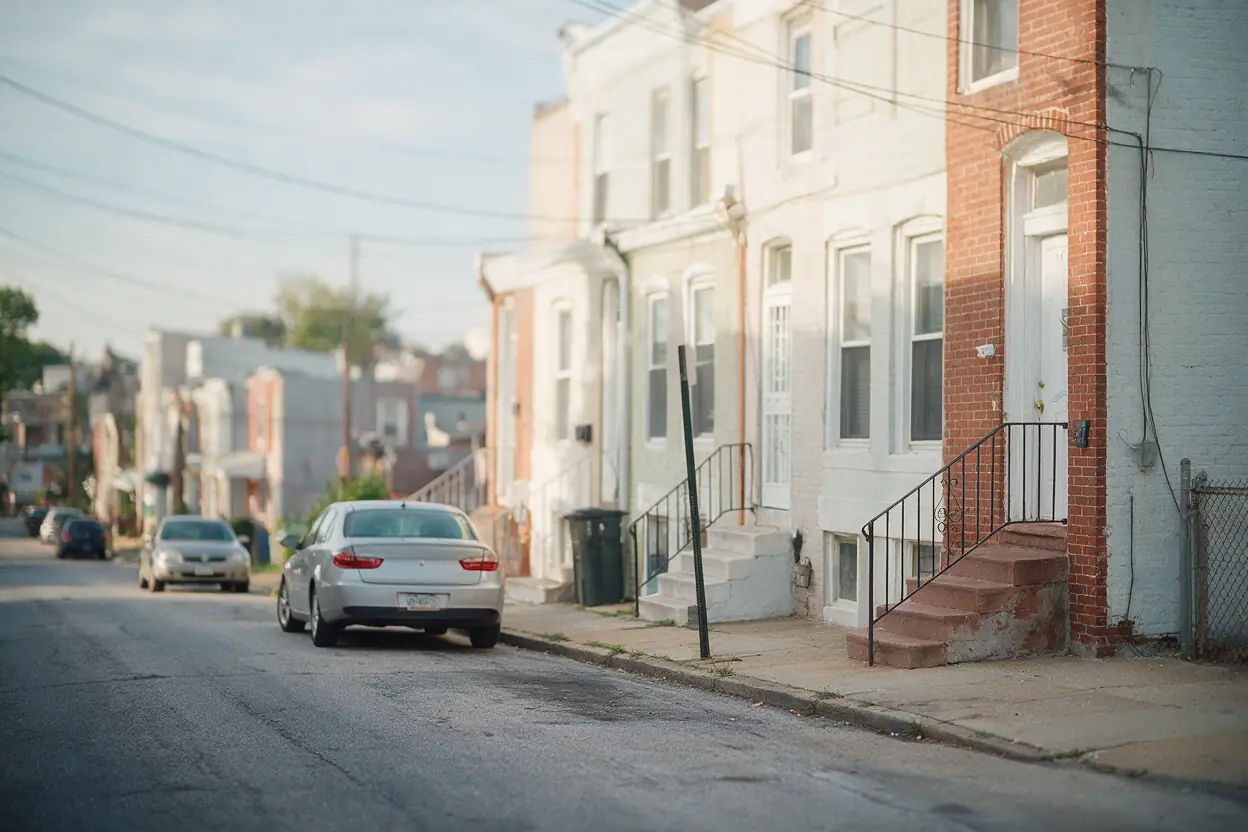
The facility is located at 2401 West Baltimore Street in Baltimore, within reach of city residents who need regular outpatient appointments rather than a residential stay. The program runs on an outpatient basis, so there is no live-in housing here. People in Baltimore who need outpatient addiction care can attend sessions and still sleep at home, which suits those with jobs, children or other responsibilities. Because appointments are periodic, reliable transportation to and from the West Baltimore Street address is worth planning before the first visit.
Paying for care at New Hope in Baltimore
This facility lists self-pay rates and also gets government funding as part of how services are supported, and you should confirm both points with staff directly before scheduling. Cost is the first thing families ask about, and the answers depend on the level of care and how long someone stays. Ask the Baltimore program directly whether Medicaid is accepted and what the cash rates cover, because that clarity removes a common reason care gets delayed. If the quoted price is out of reach, ask about sliding scales, government-funded openings or other SAMHSA-listed programs in Maryland before ruling out treatment.
Questions to ask about New Hope
- What does the assessment involve, and who decides whether outpatient care fits me or a family member
- Does the program accept Medicaid, and what do the listed cash pay rates include
- How are the 30-day program length and session schedule set for each person
- How does the program handle opioid use, and is suboxone part of the options discussed
- What aftercare is arranged at the end, including recovery coach support and continuing care

Other options in Baltimore
-
Humble Beginnings Recovery
5.0/551 Google reviews
Baltimore, MDUsual stay 30 days
- Residential Rehab
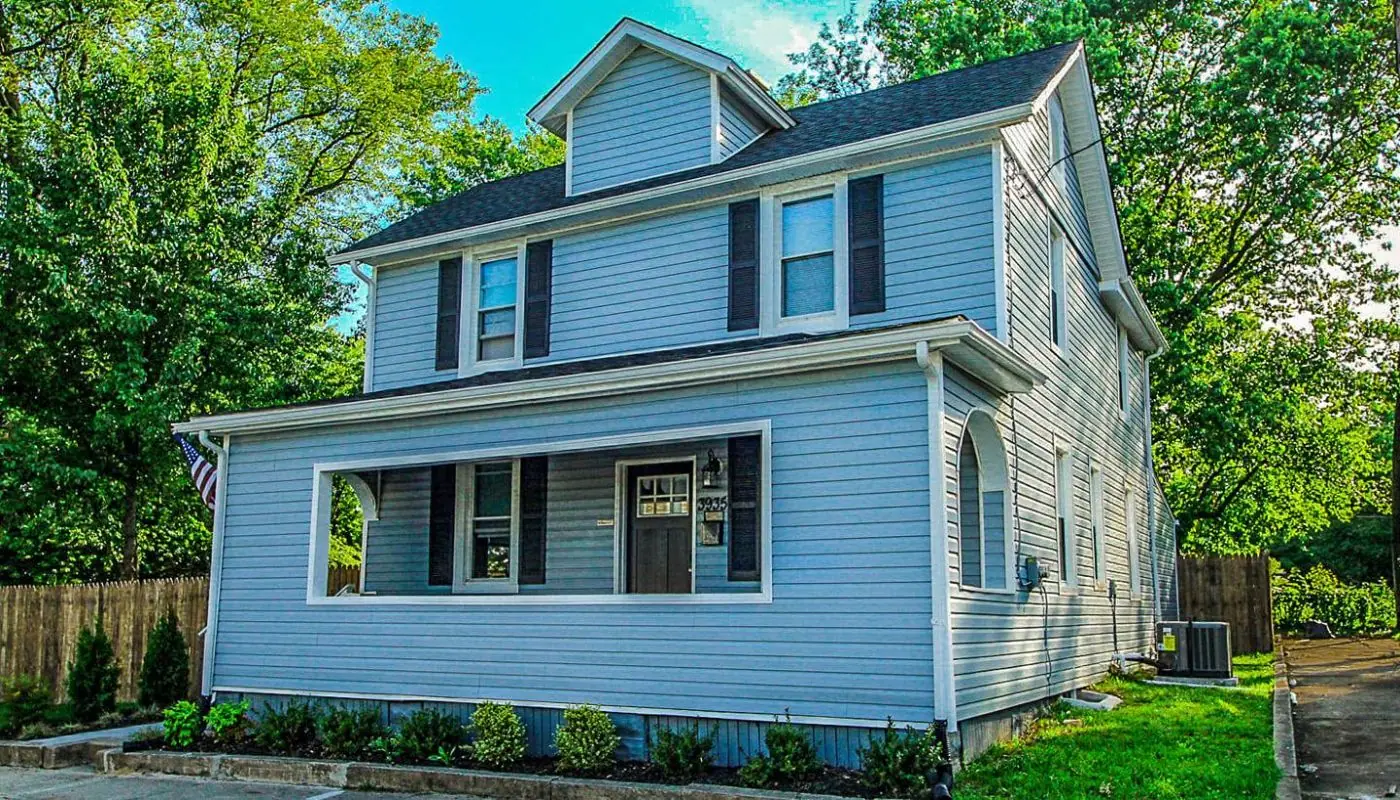
Humble Beginnings Recovery Baltimore serves men in a residential setting on Southern Avenue.
-
Baltimore, MDUsual stay 30 days
- Outpatient
- Co-Occurring Mental Health
Associated Catholic Charities Baltimore operates an outpatient clinic serving people with substance use and mental health needs.
-
Northern Parkway Treatment Services
3.1/516 Google reviews
Baltimore, MDUsual stay 30 days
- Outpatient
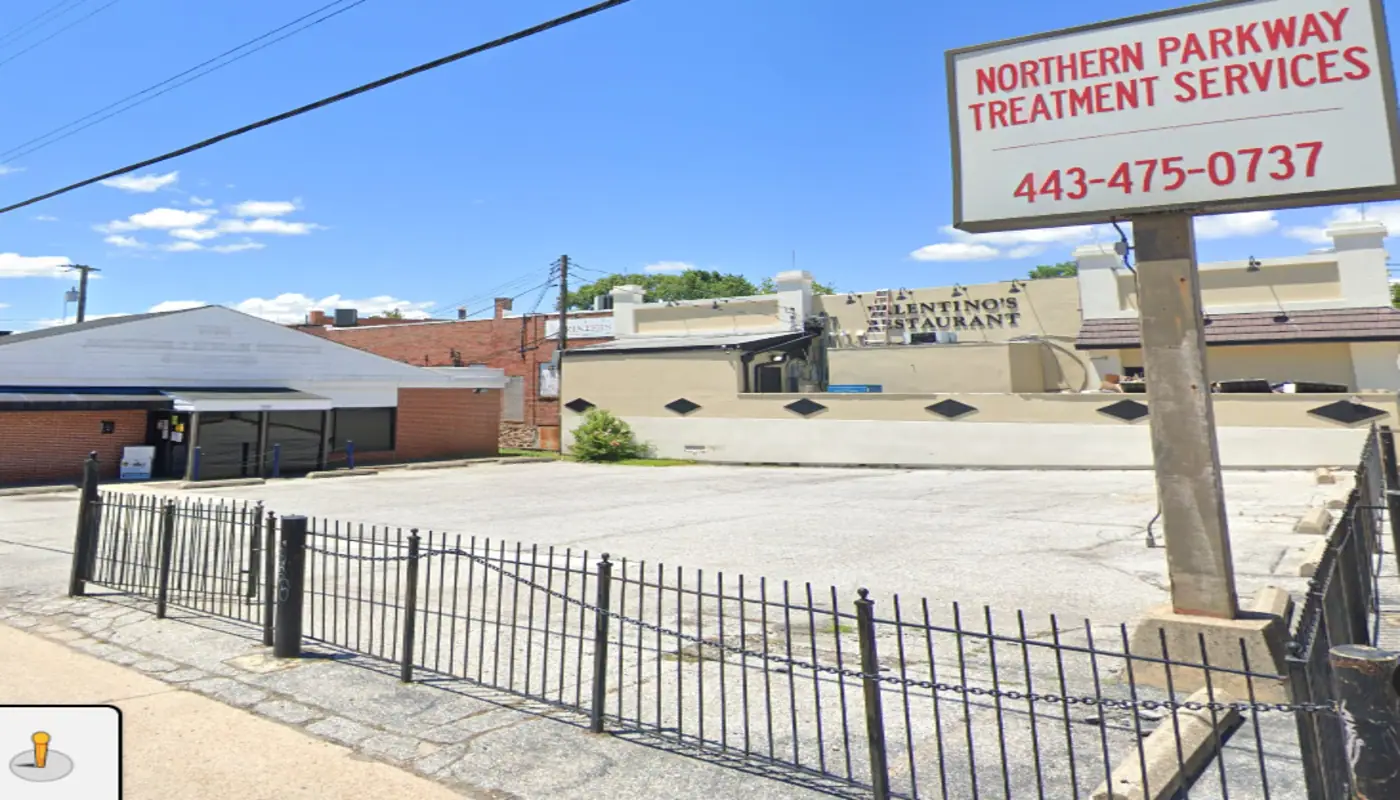
Northern Parkway Treatment Services is an outpatient program on East Northern Parkway in Baltimore.
-
By Grace Counseling Services
Joint CommissionBaltimore, MDUsual stay 30 days31-50 beds
- Outpatient
- Residential Rehab
- Detox
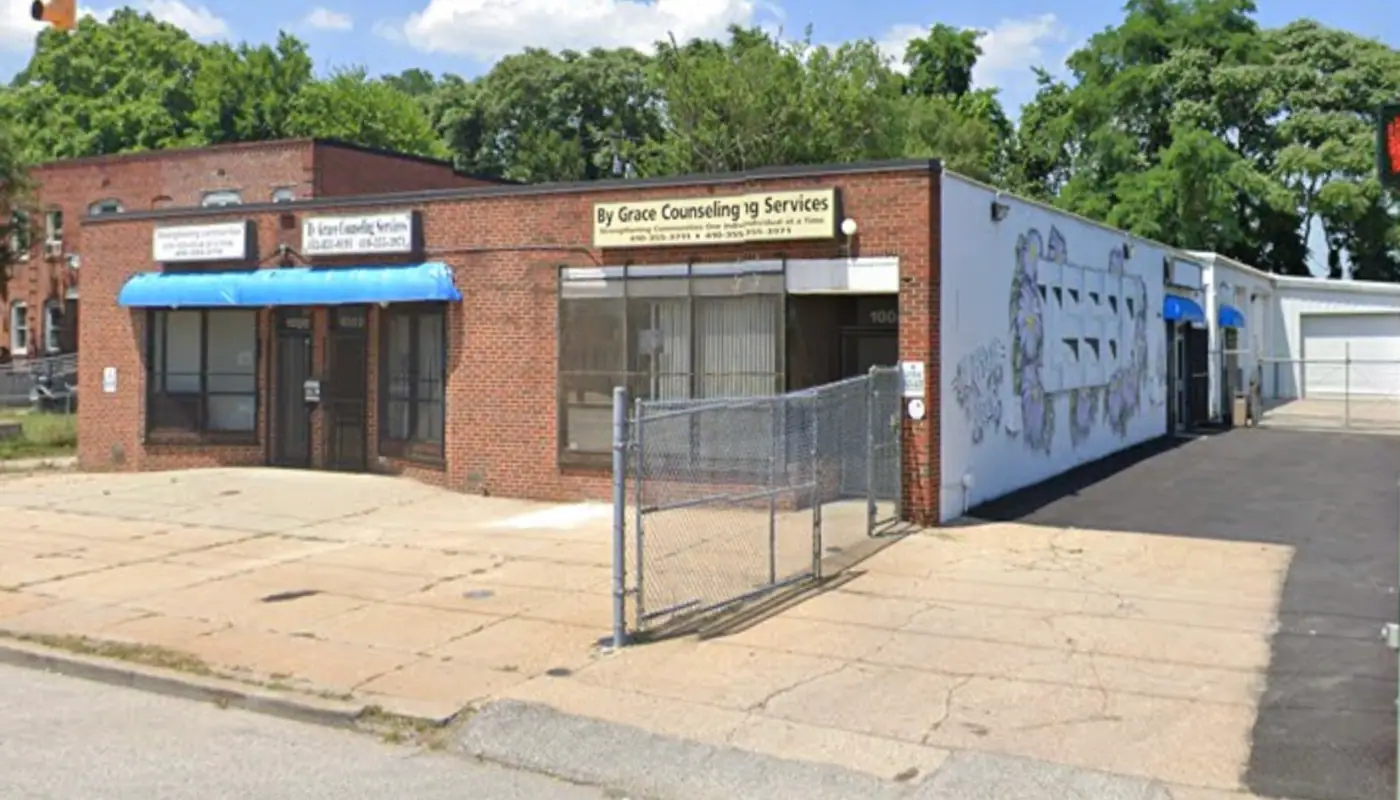
By Grace Counseling Services Baltimore is a treatment program on East Patapsco Ave.
-
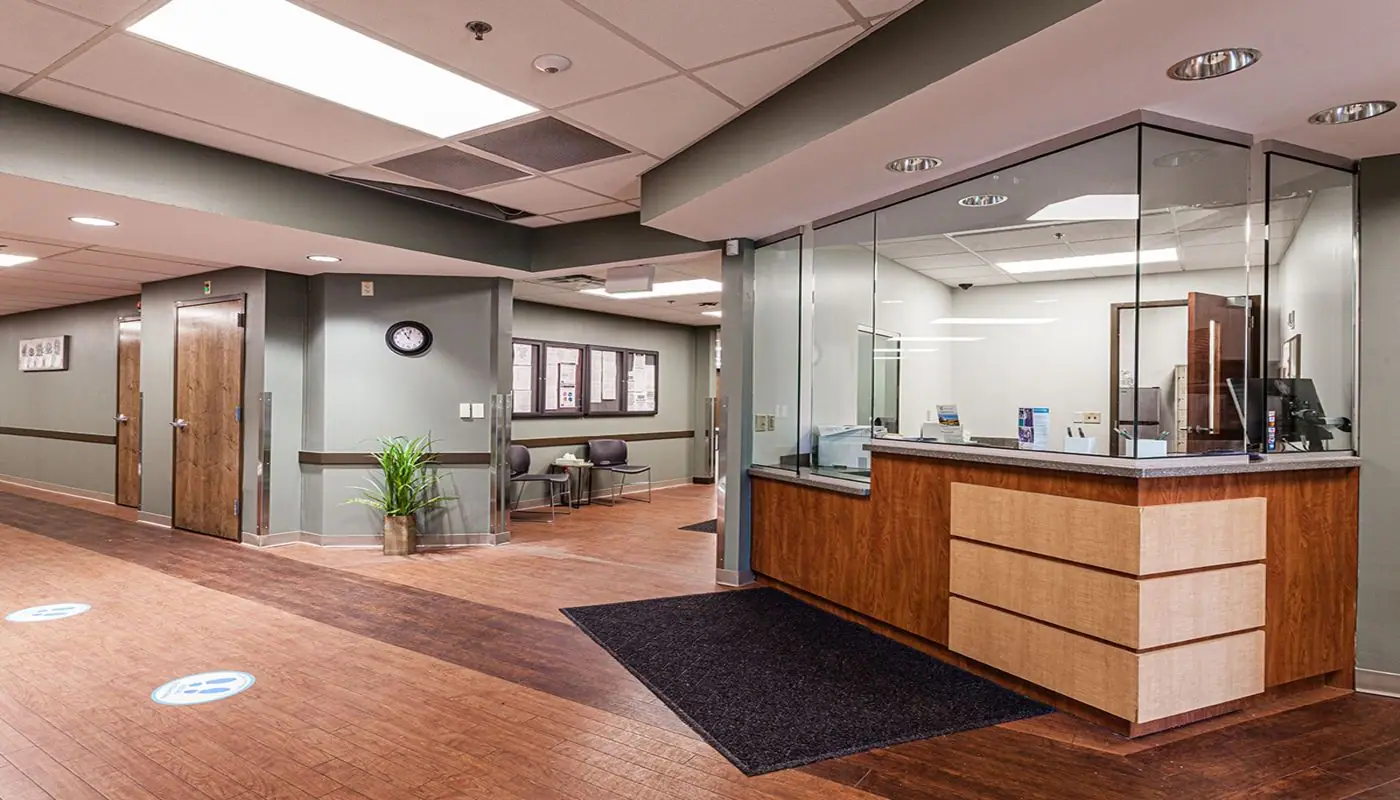
Pine Heights Comprehensive Treatment
4.4/559 Google reviews
Baltimore, MDUsual stay 30+ days
- Outpatient
Pine Heights Comprehensive Treatment Baltimore is an outpatient clinic located on Wilkens Avenue.
-
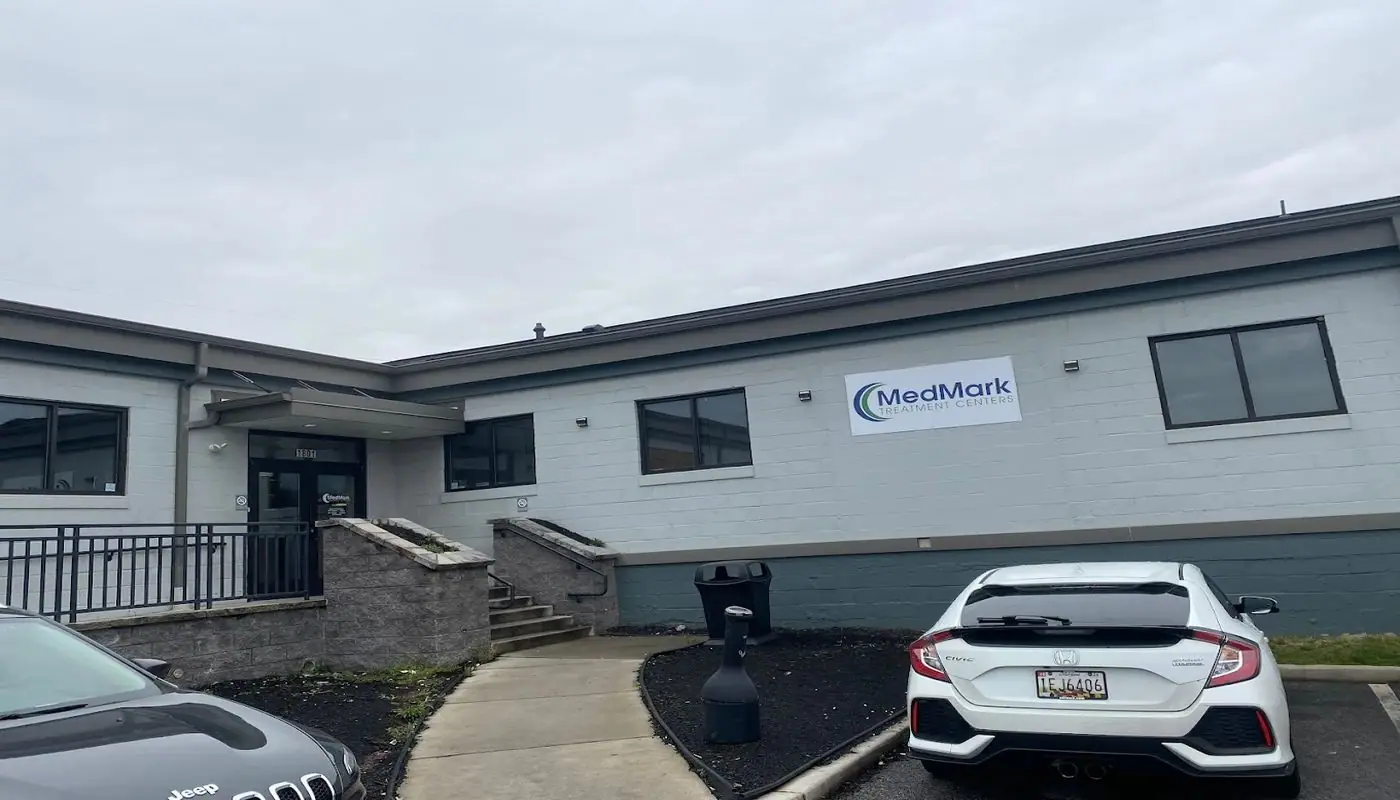
MedMark Treatment Centers Cherry Hill
3.2/538 Google reviews
Baltimore, MDUsual stay 30 days
- Outpatient
- Co-Occurring Mental Health
This page explains what Medmark Treatment Centers Cherry Hill Baltimore offers for opioid dependence.

Questions
What does Grace Medical Center New Hope Treatment Baltimore offer?
Outpatient substance use treatment is offered at 2401 West Baltimore Street, covering individual counseling, cognitive behavioral therapy, group and family therapy, and relapse prevention counseling, with a typical length of 30 days. The facility holds Joint Commission accreditation and appears among 422 Maryland treatment facilities in SAMHSA FindTreatment.gov data. Reach out to the helpline to discuss whether outpatient care suits the situation.
Does this Baltimore program accept Medicaid?
The listing shows cash pay rates and government funding, but it does not confirm Medicaid acceptance, so ask staff directly. That question matters because the answer often decides whether a program is affordable for a family. If this facility cannot take your coverage, then the helpline can point to other SAMHSA-listed treatment centers in Maryland. Confirm any figure before you commit to a start date.
How long do people stay in outpatient rehab at New Hope?
The facility notes a typical program length of 30 days, though the actual schedule is set after an assessment. In outpatient care you attend sessions while still living at home, so the duration can change with the person's needs and progress. Ask how many sessions per week are expected and what aftercare follows, since continuing care and recovery coach support both appear in the listing. Plans that run longer or shorter are worth bringing up with staff.
Is New Hope a good fit for someone with opioid use concerns?
Opioids appear among the substances the facility treats, and medication options such as suboxone are worth asking about directly. Outpatient programs can suit people who need structured counseling while staying at home, but withdrawal risk during detox is a medical matter that requires proper clinical assessment, not a decision made alone. If someone is drinking heavily or using opioids daily, then get medical guidance before stopping.
What if I need a residential program instead?
When a person needs monitoring around the clock, residential care is the level better suited to that. This facility offers outpatient care only, so it may not fit situations where withdrawal is severe or the home setting is unsafe. Our helpline can help you compare other SAMHSA-listed programs in Maryland that offer residential care, and starting with the level of care saves time.