TruHealing Gaithersburg
TruHealing Gaithersburg in Gaithersburg serves adults dealing with substance use and co-occurring disorders. It is one of 422 SAMHSA-listed facilities in Maryland. Our helpline can help you find a clear answer about coverage.
- Outpatient
- Co-Occurring Mental Health
- 30+ Days

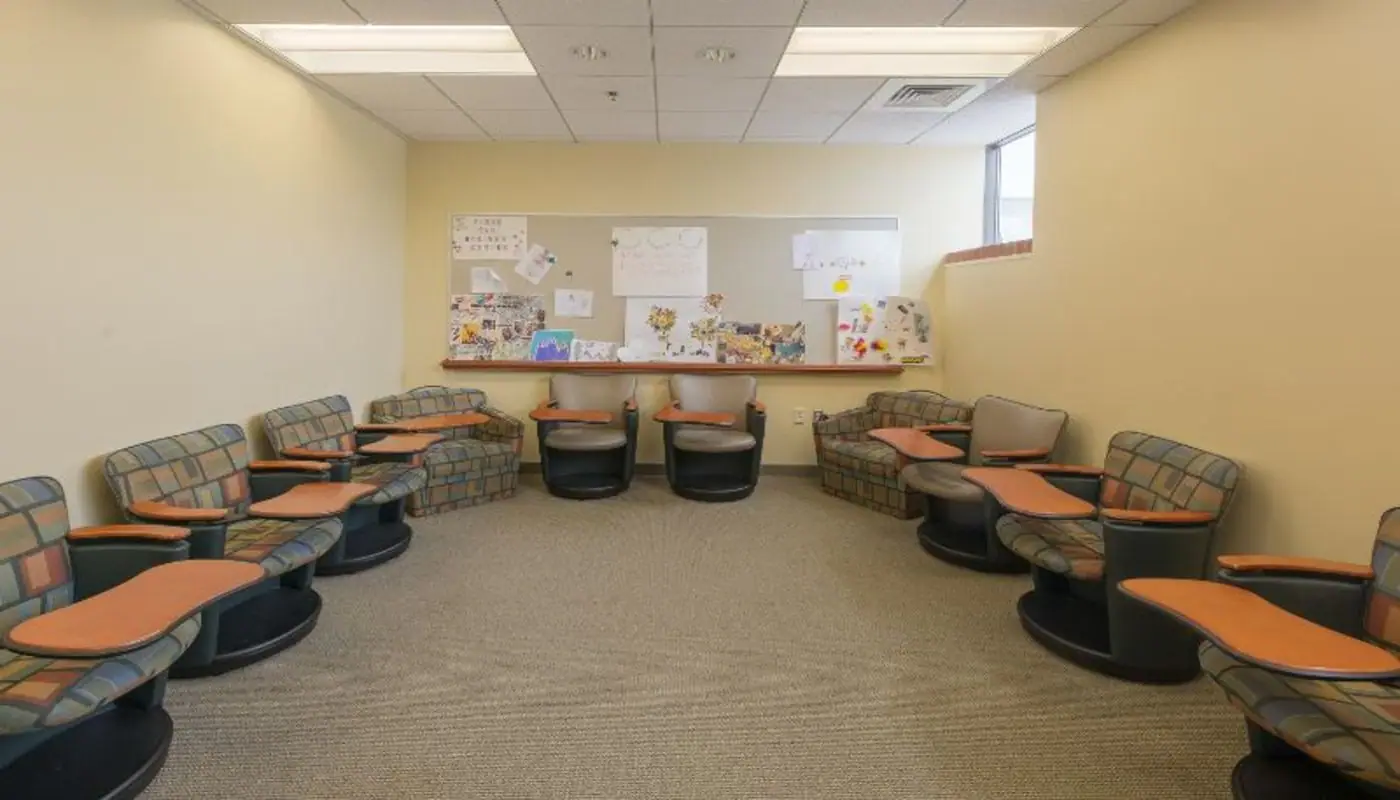
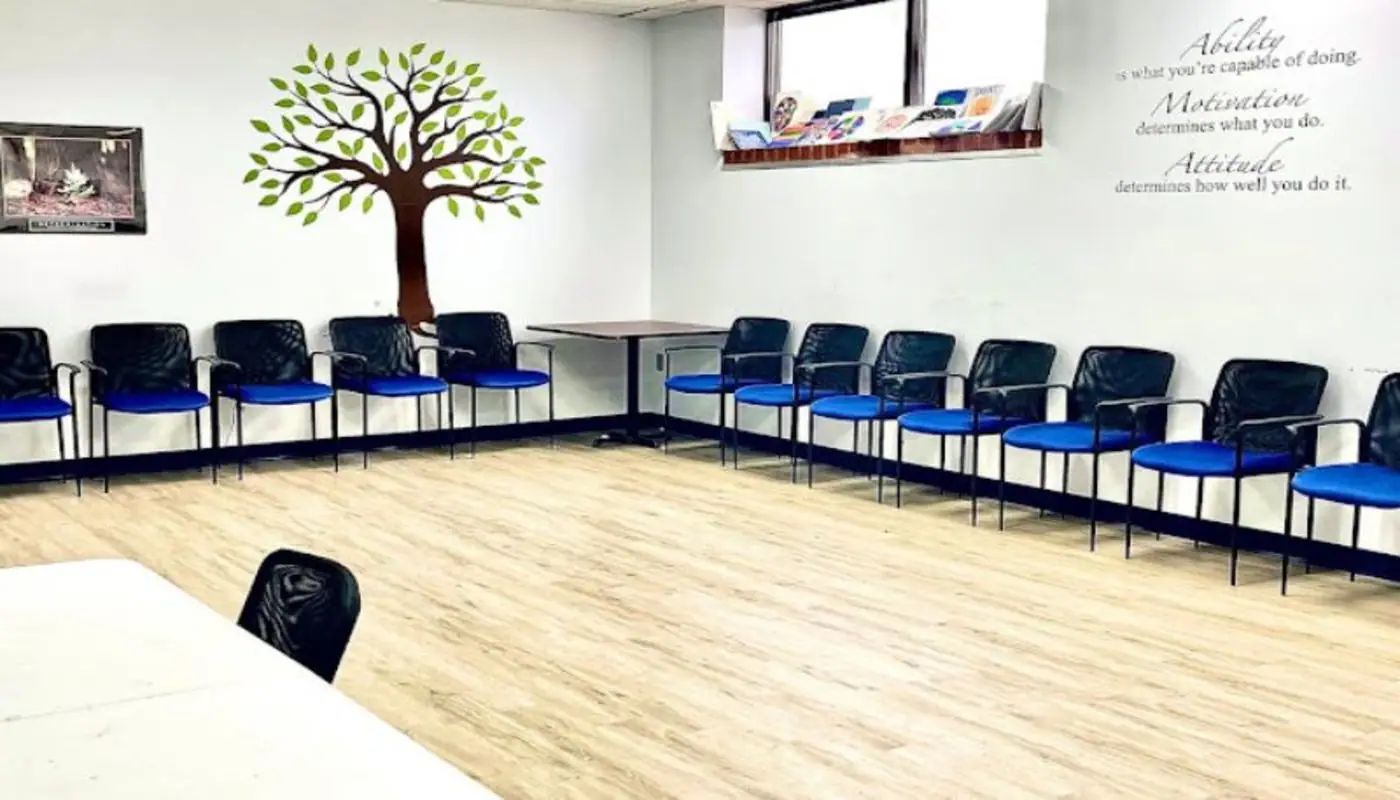
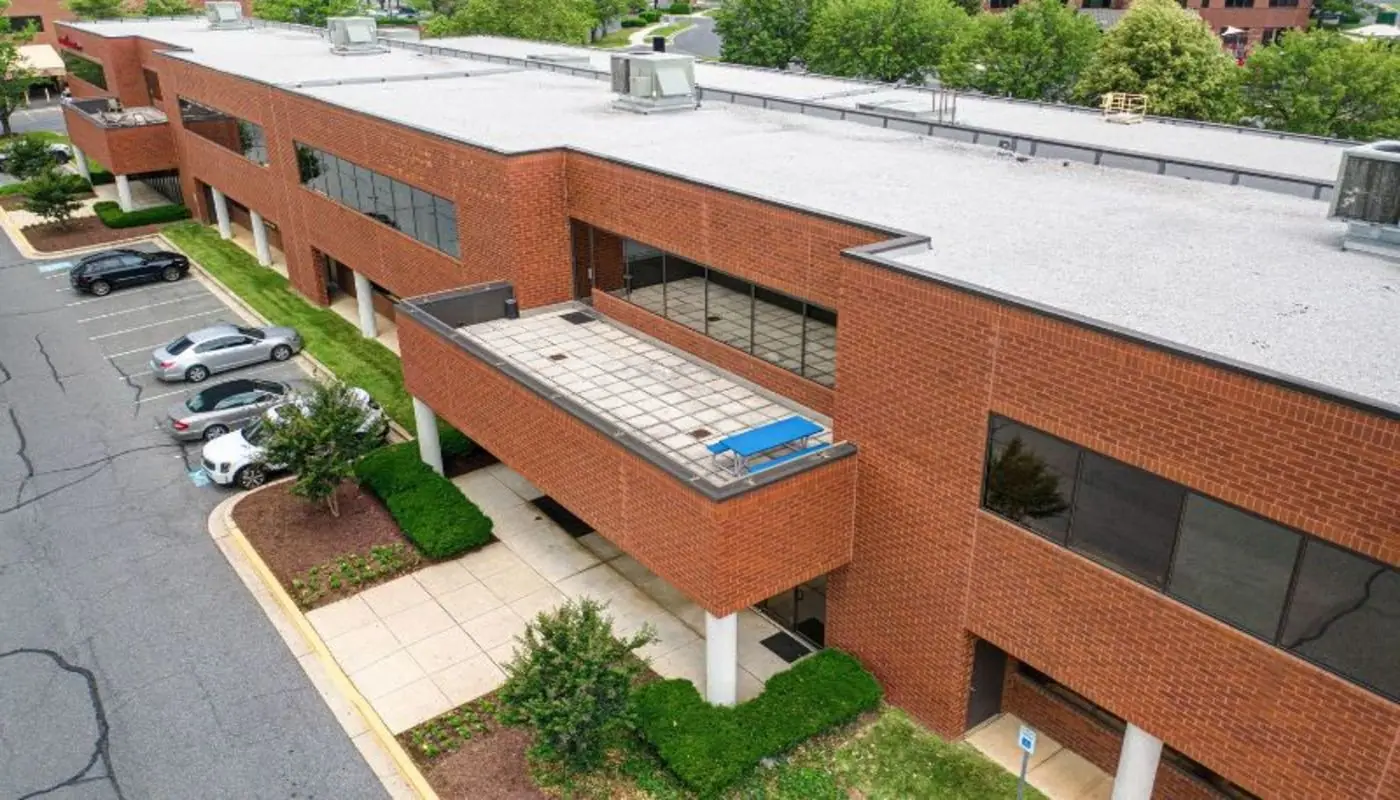
TruHealing Gaithersburg is an outpatient Maryland rehab built for adults who need drug and alcohol treatment alongside mental health care, and it sits on Gaither Drive in Gaithersburg near the Montgomery County line. Someone calling for a spouse or adult child should know this is not a residential campus. People live at home or in supportive housing in the community while attending structured sessions during the week.
The clinical approach leans on methods with research behind them, and each person gets a plan drawn around their own history rather than a fixed curriculum. Substance use and conditions like anxiety, depression or trauma are handled together by one team, which matters when the two have been tangled for years. If a person has cycled through treatment before, then the team can build relapse prevention into the plan from the first week rather than after a setback.
Families are not spectators here. Family therapy is part of the program, and relatives are often the ones who notice what changed first. Outpatient care in Gaithersburg lets people stay close to home and family while they work on recovery in Maryland.
Programs and levels of care
The partial hospitalization program is the most intensive option here, with up to 30 hours of counseling each week in a mix of individual and group sessions. People usually step down to a lighter schedule once the first weeks settle. The intensive outpatient program meets three days a week for three-hour sessions across 30 to 60 days, which suits someone finishing PHP or someone who needs structure without a full-day commitment. Standard outpatient therapy rounds out the ladder, focused on practical coping skills.
Cognitive behavioral therapy, dialectical behavior therapy, trauma-specific work, twelve-step facilitation, meditation and mindfulness, yoga, and family sessions are all part of therapy here. Gender-specific groups meet alongside mixed ones. Where trauma is involved, a trauma-informed clinician should set the pace for that work. Maryland drug and alcohol rehab at this center pairs dual diagnosis treatment with gender-specific groups for adults.
People come here for alcohol, benzodiazepines, cocaine, heroin, methamphetamine, prescription drugs and synthetic drugs, and chronic relapse is treated as a clinical problem to plan around, not a failure. One limit worth naming: if someone needs medically monitored withdrawal, then this outpatient setting is not where that happens, and the team should point you toward detox before admission.
- Twelve Step Facilitation
- Meditation & Mindfulness
- Trauma Informed
- Dialectical Behavior Therapy
- Twelve Step
- Personalized Treatment
- 1-on-1 Counseling
- Mindfulness Therapy
- Family Therapy
- Trauma-Specific Therapy
Who this program is built for
- Adults living with a substance use disorder that involves alcohol, benzodiazepines, cocaine, heroin, methamphetamine, prescription drugs or synthetic drugs
- People with co-occurring anxiety, depression, post-traumatic stress disorder, stress or trauma
- Men and women, including those who prefer gender-specific group settings
- People who have relapsed more than once and want structured outpatient support
- People transitioning down from a higher level of care
- Family members looking for a program that includes relatives in treatment
Setting, size and length of stay
Care here is outpatient, and the typical program length runs 30 days or more depending on the level and the person's progress. There is a pool and a wellness center on site, yoga is offered, and rooms are air-conditioned with shared bathrooms and televisions for those in supportive living. Services are delivered in English. For people who need a stable place to stay, the center helps arrange community supportive housing with structure and some safety built in, which can make the difference for someone whose home environment works against treatment.
Paying for care and checking benefits
Payment information is not included in the center's SAMHSA profile, so the honest answer is that what you pay relies on your plan and the intensity of care. Some behavioral health services are covered by Maryland's Medicaid program, but only the center can tell you whether it is in network. If your coverage comes through an employer, the federal parity law may shape how addiction benefits are handled, and asking the insurer directly is a fair move. Maryland addiction treatment centers vary widely in what they accept, so ask TruHealing Gaithersburg about Medicaid and private insurance before you visit. For exact figures, call the center, or call our helpline and a trained advisor will help you line up the questions. The helpline is private, costs nothing, and leaves you free to walk away.
Questions to ask before admission
- Which level of care does the clinical team advise for my family member, and what would cause that advice to change?
- How are co-occurring disorders treated alongside substance use, and by whom?
- What does a typical week look like in PHP and in IOP, and how long do people usually stay?
- Do you accept my insurance or Maryland Medicaid, and what will we owe out of pocket?
- If withdrawal becomes a concern, where do you refer people for medically supervised detox?
- What aftercare, alumni contact and follow-up sessions are offered after discharge?
- Who do we call if something goes wrong on a weekend?

More centers for comparison
-
Safe Journey House
3.4/516 Google reviews
Hyattsville, MDUsual stay 30 days
- Residential Rehab
Safe Journey House Hyattsville is a residential program on Annapolis Road.
-
On Our Own of Howard County
4.9/514 Google reviews
Columbia, MDUsual stay 30 days
- Co-Occurring Mental Health
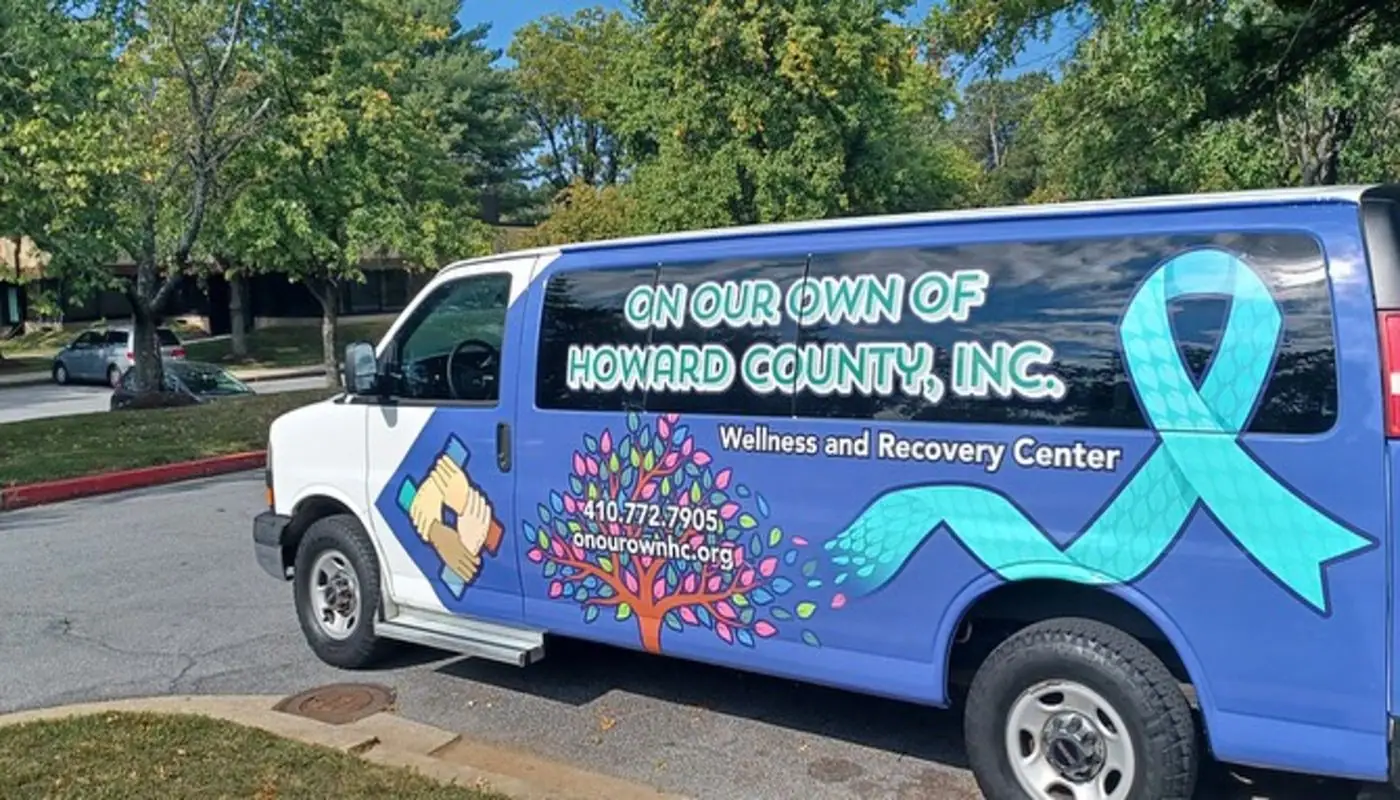
On Our Own of Howard County Columbia is a peer-run wellness center for people facing mental health and substance use challenges.
-
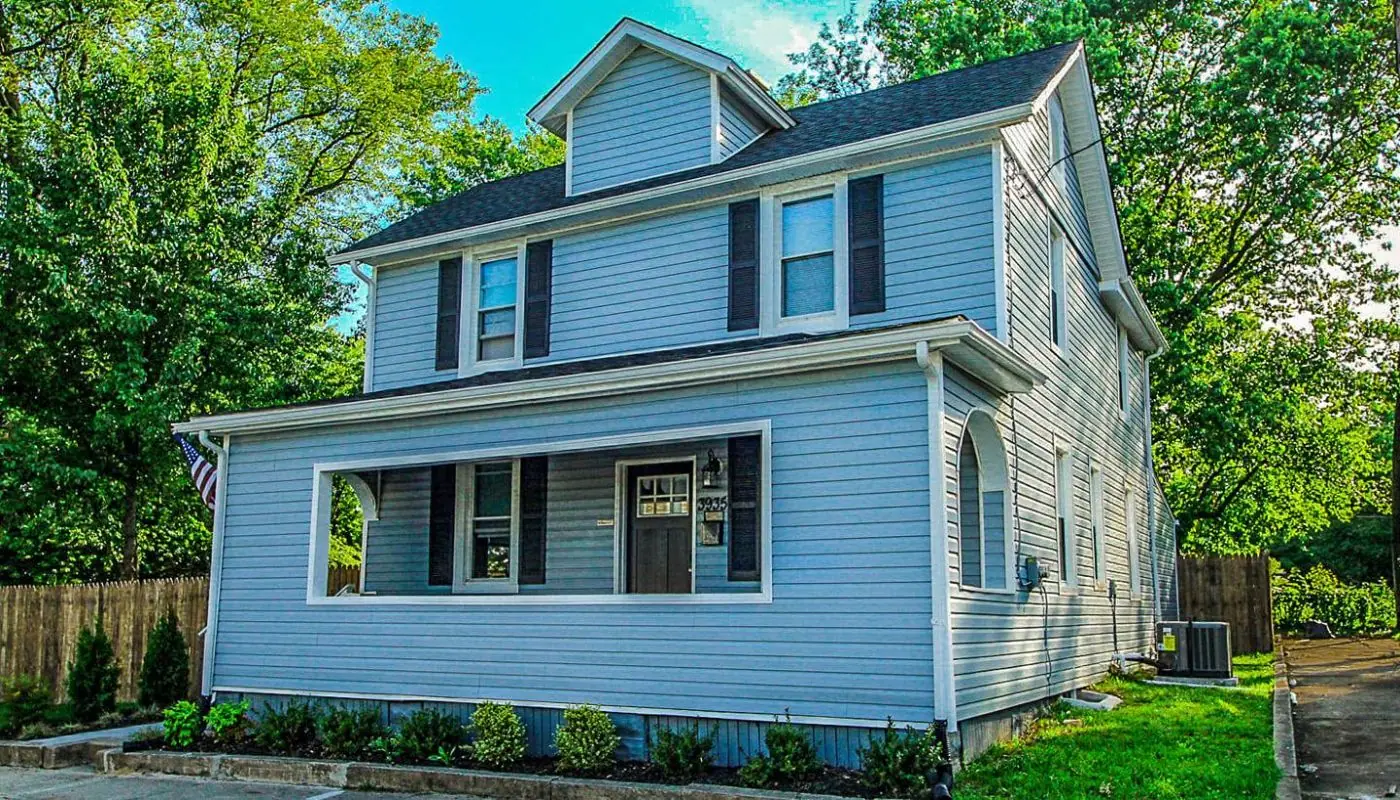
Humble Beginnings Recovery
5.0/551 Google reviews
Baltimore, MDUsual stay 30 days
- Residential Rehab
Humble Beginnings Recovery Baltimore serves men in a residential setting on Southern Avenue.
-
Worcester County Health Department
Joint CommissionPocomoke City, MDUsual stay 5 days
- Outpatient
The Worcester County Health Department Pocomoke City site is a publicly supported outpatient program.
-
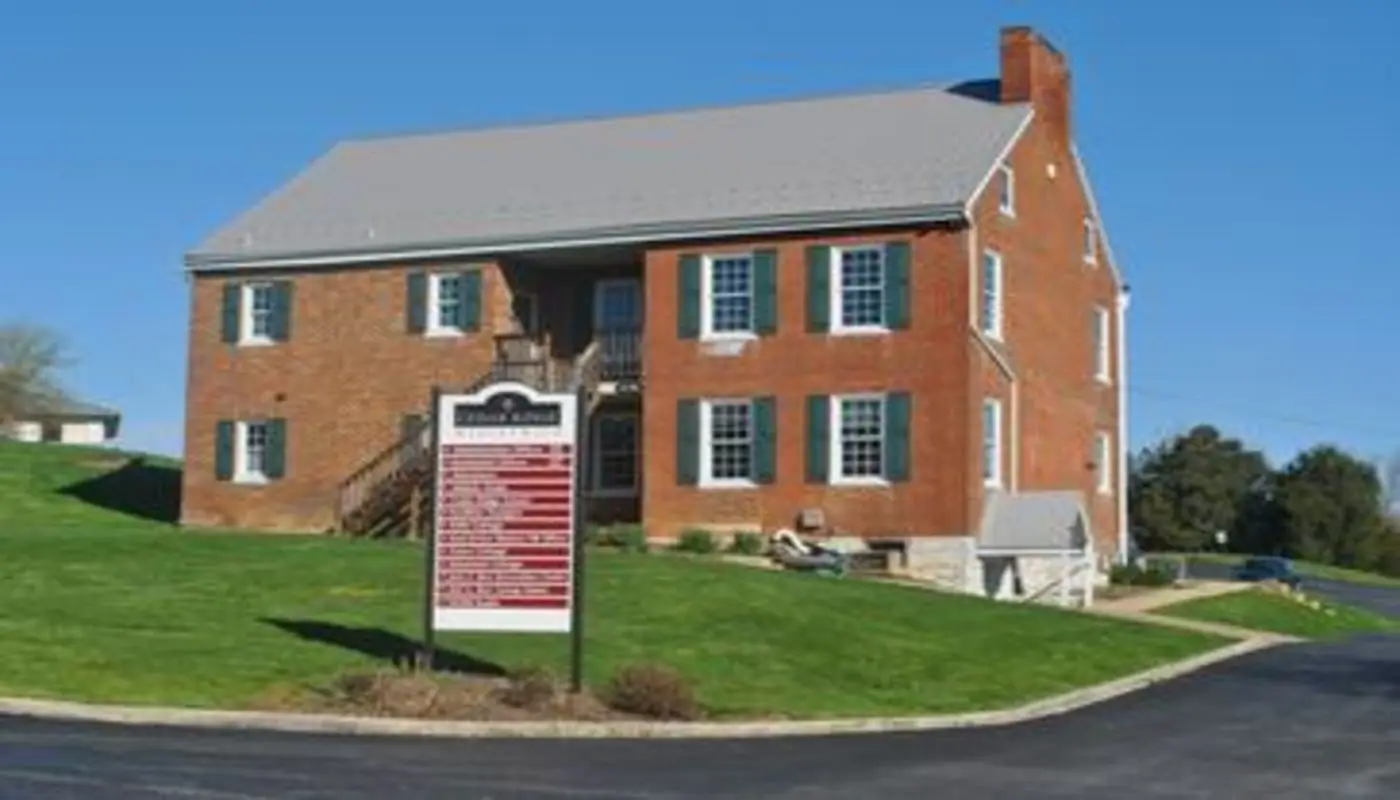
Cedar Ridge Ministries Childrens Home
1.0/54 Google reviews
Williamsport, MDUsual stay 30 days
- Residential Rehab
- Co-Occurring Mental Health
Cedar Ridge Ministries Childrens Home works with boys in rural Maryland.
-
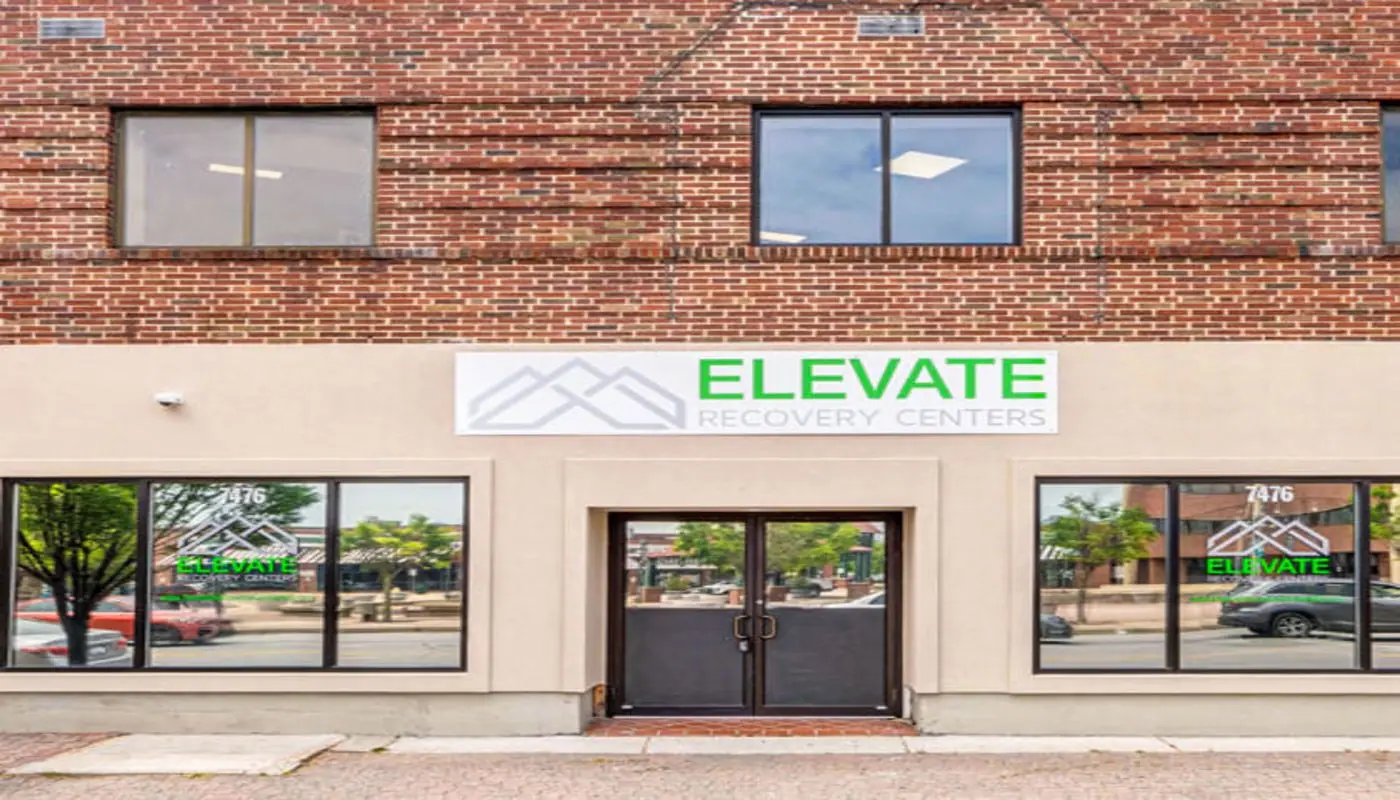
Elevate Recovery Centers
4.0/545 Google reviews
Glen Burnie, MDUsual stay 30 days
- Outpatient
- Co-Occurring Mental Health
When you are making calls on behalf of a family member or friend, questions tend to pile up fast.

Questions
What levels of care does TruHealing Gaithersburg offer?
It offers three: partial hospitalization, intensive outpatient, and standard outpatient therapy. PHP provides up to 30 hours of counseling per week, IOP meets three days weekly for three-hour sessions over 30 to 60 days, and outpatient therapy focuses on coping skills. Co-occurring disorders runs through every level, so substance use and conditions like anxiety, depression or trauma are handled by one team.
Does TruHealing Gaithersburg accept Medicaid?
The center's SAMHSA listing does not say whether Medicaid is accepted, and our helpline cannot confirm it either. Some behavioral health services are covered by Maryland's Medicaid program, so asking the center and your plan directly is worth the call. A trained advisor on our helpline can help you put that question clearly and check availability, at no cost and with nothing signed.
How long do people stay at this Gaithersburg program?
Typically, treatment lasts 30 days or more, and actual duration hinges on care intensity and individual response. IOP is built around 30 to 60 days with three sessions a week, and people often move down from PHP to IOP as they stabilize. Before admission, ask the clinical team for an expected timeline so the family can plan.
Is this a good fit for dual diagnosis?
Yes, treating co-occurring disorders is central to the program. The conditions addressed include anxiety, depression, post-traumatic stress disorder, stress and trauma, through cognitive behavioral therapy, dialectical behavior therapy, trauma-specific therapy and family work. If someone first needs residential care or supervised withdrawal, the team should point you elsewhere, because this is an outpatient setting.
What should a family member ask before their relative starts?
Ask what level of care is advised and why, how co-occurring conditions are addressed, whether your insurance is taken, and what a typical week looks like. Also ask where the center sends people if withdrawal becomes a concern. Beforehand, our helpline will discuss these questions with you, and the call remains confidential with no obligation.