The Renfrew Center Bethesda
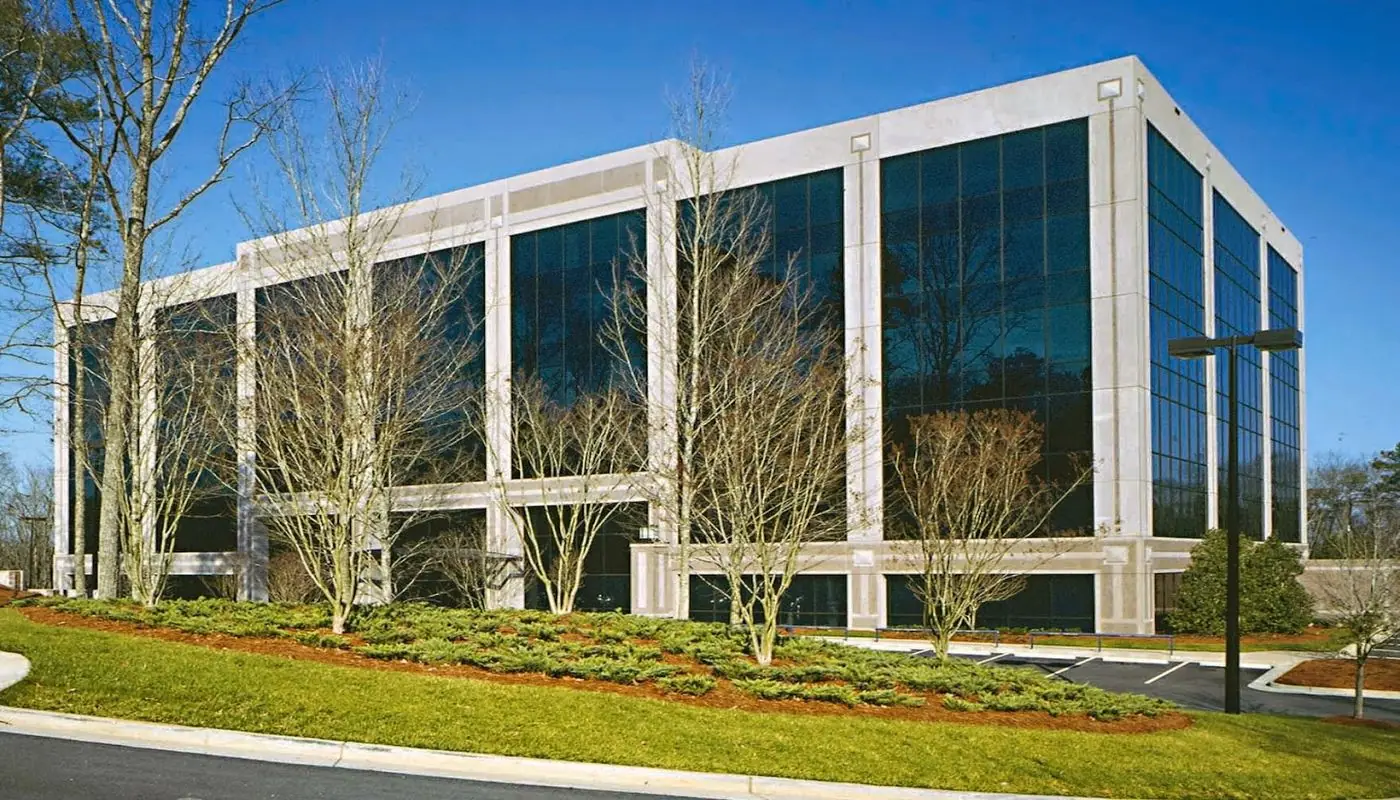
The Renfrew Center Bethesda provides outpatient eating disorder treatment in Maryland. It is one of 422 SAMHSA-listed facilities in the state and opened in 1985. Care ranges from day treatment to weekly outpatient support.
- Joint Commission
- Outpatient
- 30+ days
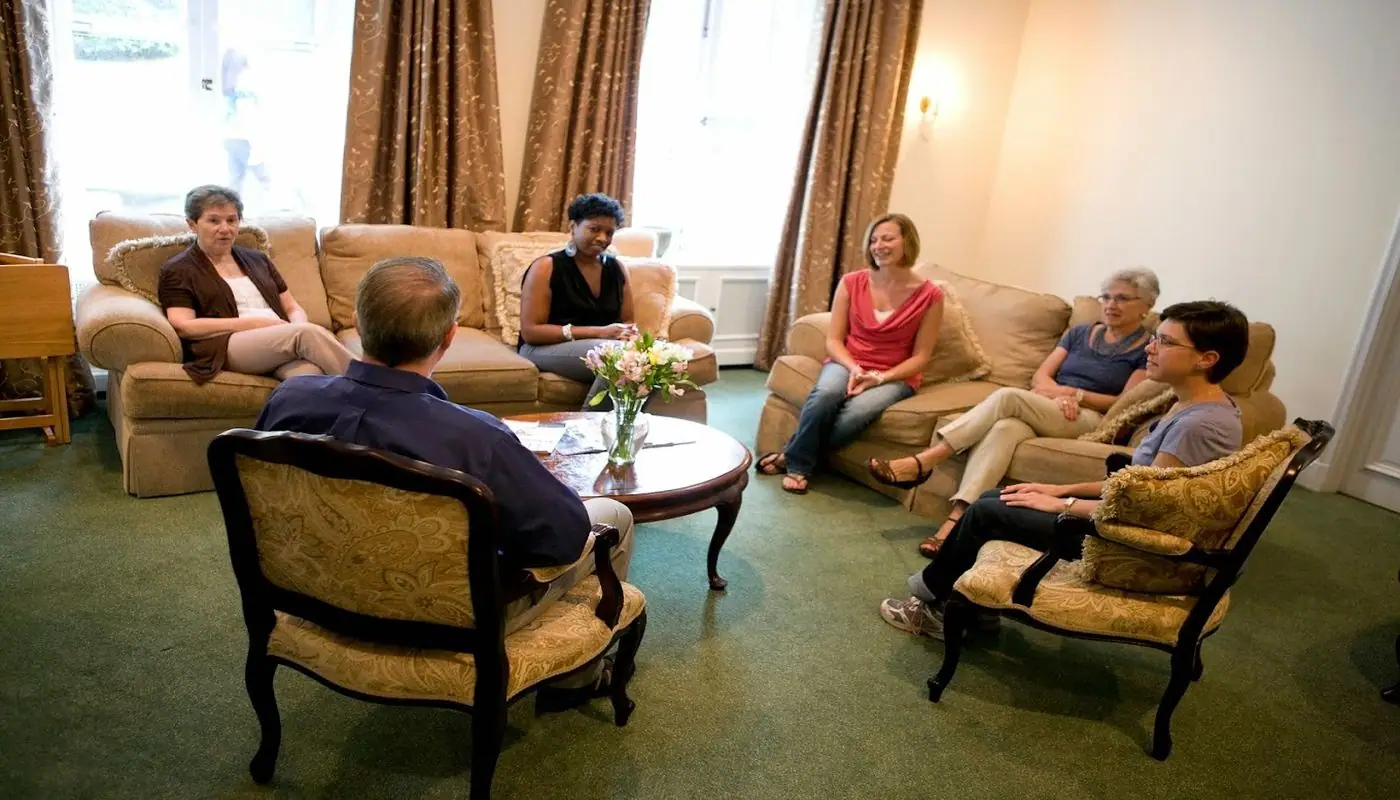
The Renfrew Center Bethesda is an outpatient practice in Bethesda, Maryland, focused on eating disorders and co-occurring trauma. It was founded in 1985 and holds Joint Commission accreditation. The center describes itself as an inclusive setting for adolescent girls, women, transgender women and non-binary individuals, along with their families. Maryland rehab centers like this one offer specialized eating disorder care for women and non-binary individuals, and the team builds each plan around evidence-based methods and personal goals.
Care is personalized rather than fixed. Someone stepping down from residential care can move into structured day treatment, while another person may need only weekly sessions. If you are arranging care for a family member, then asking about the level of care first can shape the whole plan. The center states that all three of its outpatient programs can be delivered virtually, which helps when travel or a college schedule gets in the way.
Body image counseling is a specialty here, as is help for clients in their college years, nutrition guidance, diabetes support and therapy through creative arts. When a plan is drawn up, co-occurring conditions such as trauma and substance use are taken into account. Drug and alcohol concerns can be handled alongside eating disorder treatment at Maryland centers that screen for co-occurring conditions, which makes it worth bringing them up early.
The Renfrew Center Bethesda
The center runs three levels of outpatient care. Day treatment at this Bethesda center meets five days a week and includes group and individual therapy, psychiatric evaluation, medication management, two meals plus snacks daily, nutrition therapy, expressive therapies and psychoeducation. It is meant for people stepping down from residential care or who need structure with flexibility.
The intensive outpatient program meets three times a week and combines group therapy, nutrition consultation, psychiatric services, one meal a day and psychoeducation. Standard outpatient suits someone who wants weekly individual, family or group therapy. Therapies listed include cognitive behavioral therapy, trauma-specific therapy, art therapy, family therapy, spiritual care and 1-on-1 counseling. If cost is a concern, then the helpline can help you compare payment options across Maryland treatment centers before you schedule anything.
- Spiritual Care
- Psychoeducation
- Cognitive Behavioral Therapy
- Family Therapy
- 1-on-1 Counseling
- Trauma-Specific Therapy
- Personalized Treatment
- Gender-Specific
- Group Therapy
- Nutrition Counseling
Who this program is built for
- Adolescent girls and women with eating disorders
- Transgender women and non-binary people looking for eating disorder treatment
- People stepping down from residential treatment into structured day care
- Clients who need more support than weekly outpatient therapy
- People managing co-occurring trauma or substance use alongside an eating disorder
Program length, size and languages
The center's listing says a typical stay runs 30 or more days, though how long depends on the level of care and clinical need. When you call this Bethesda center, you can ask how many weeks day treatment or IOP usually takes. Sessions take place in person in Bethesda or online, and services are offered in English. The practice describes a program designed to be gender-specific and personalized rather than one fixed track for everyone. Maryland alcohol and drug rehab centers differ in size, so ask about group sizes when you call.
How treatment here gets paid for
The helpline can help you ask about insurance before anything gets scheduled, and payment options feature cash pay rates listed by the center. If you want to use insurance, then verify coverage by phone with the center before you make a decision, since benefits vary from one policy to another. A you May call confidentially at no charge, and an advisor can look into availability and coverage alongside you.
Questions worth asking before admission
- Which level of treatment does the clinical team suggest, and for what reasons
- Whether my insurance plan is in network and what the cash pay rate covers
- How long day treatment or IOP usually lasts for someone in my situation
- What substance use or trauma support is available alongside eating disorder care
- Whether virtual participation would work for the schedule I can manage
More centers for comparison
-
Safe Journey House
3.4/516 Google reviews
Hyattsville, MDUsual stay 30 days
- Residential Rehab
Safe Journey House Hyattsville is a residential program on Annapolis Road.
-
On Our Own of Howard County
4.9/514 Google reviews
Columbia, MDUsual stay 30 days
- Co-Occurring Mental Health
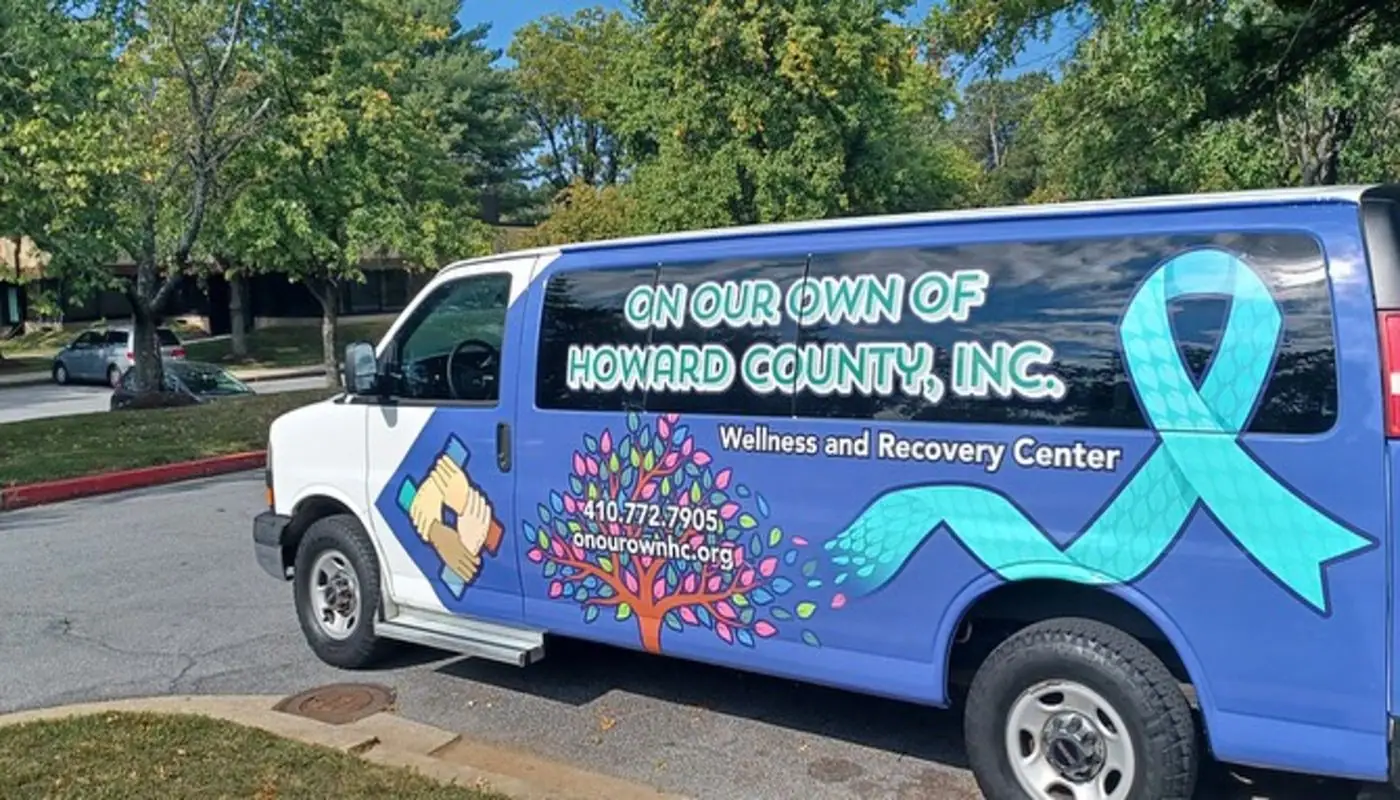
On Our Own of Howard County Columbia is a peer-run wellness center for people facing mental health and substance use challenges.
-
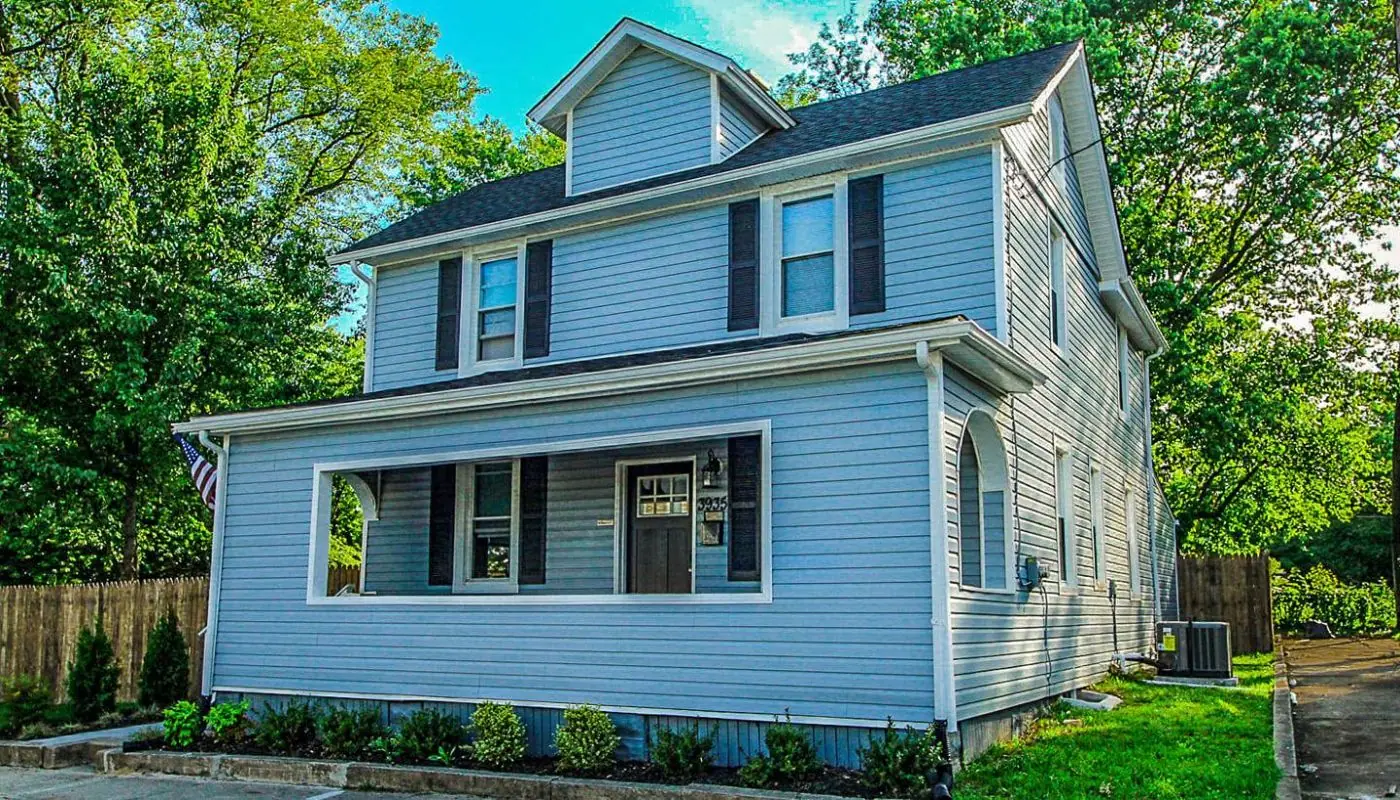
Humble Beginnings Recovery
5.0/551 Google reviews
Baltimore, MDUsual stay 30 days
- Residential Rehab
Humble Beginnings Recovery Baltimore serves men in a residential setting on Southern Avenue.
-
Worcester County Health Department
Joint CommissionPocomoke City, MDUsual stay 5 days
- Outpatient
The Worcester County Health Department Pocomoke City site is a publicly supported outpatient program.
-
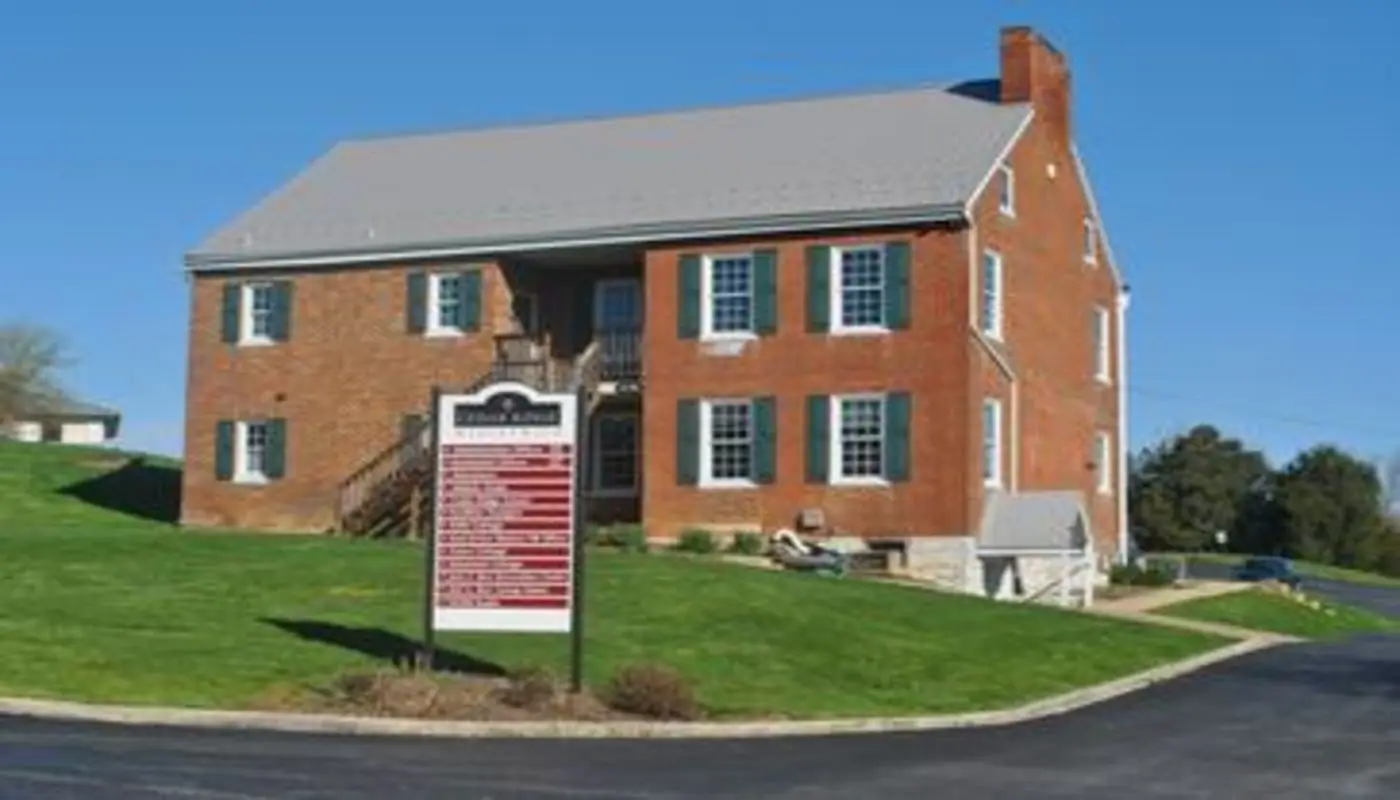
Cedar Ridge Ministries Childrens Home
1.0/54 Google reviews
Williamsport, MDUsual stay 30 days
- Residential Rehab
- Co-Occurring Mental Health
Cedar Ridge Ministries Childrens Home works with boys in rural Maryland.
-
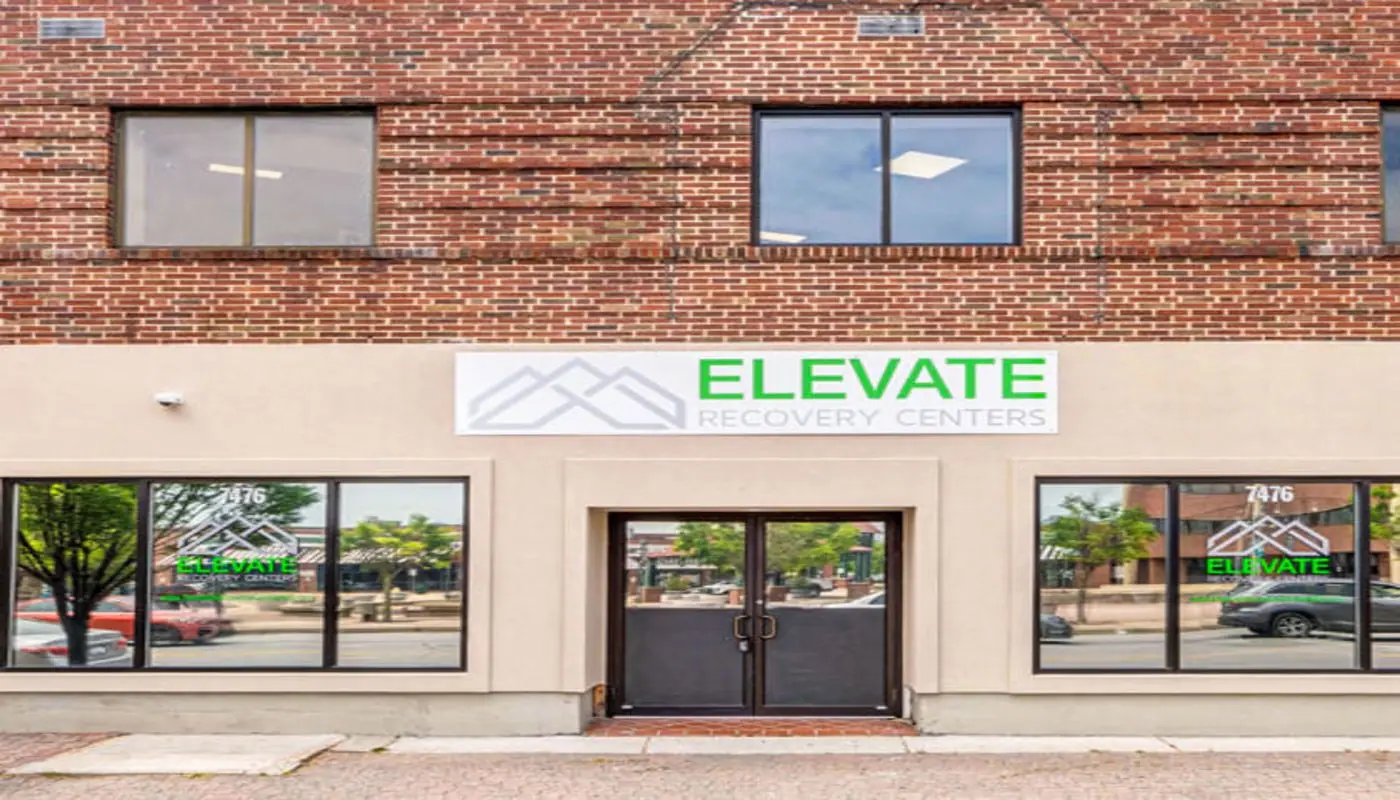
Elevate Recovery Centers
4.0/545 Google reviews
Glen Burnie, MDUsual stay 30 days
- Outpatient
- Co-Occurring Mental Health
When you are making calls on behalf of a family member or friend, questions tend to pile up fast.


Questions
What does The Renfrew Center Bethesda treat?
The center treats eating disorders, with attention to co-occurring trauma and substance use. It serves adolescent girls, women, transgender women and non-binary individuals. Care is outpatient only, split into day treatment, an intensive outpatient program and standard outpatient therapy, and all three can be delivered virtually. The center is one of 422 SAMHSA-listed facilities in Maryland.
How long do you stay in treatment at this center?
According to the listing, a typical program lasts 30 or more days, and the real duration depends on the level of care. Day treatment meets five days weekly, while the intensive outpatient program meets three times weekly. Before you commit, ask the clinical team how many weeks they expect in your situation.
Is this Bethesda program accredited?
Yes. The Renfrew Center Bethesda holds Joint Commission accreditation, which you can confirm through the Joint Commission itself if that matters to your decision. Accreditation is one thing to check, but it does not tell you whether a program fits your needs. Ask about the treatment approaches and the level of care as well.
Does the center accept Medicaid or insurance?
The facts for this center list cash pay rates rather than Medicaid or a named insurance network, so verify coverage by phone before you assume anything. Ask which plans the Bethesda office accepts and what the self-pay rate covers. The helpline can help you get that call started, and it does not require you to book care.
Why do people usually seek treatment?
Rehab is sought for many reasons, among them eating disorders, trauma and substance use. This center concentrates on eating disorders and co-occurring conditions. Callers reach licensed treatment providers via trained advisors through the helpline, which costs you nothing and keeps your details private, so you can look at options without pressure.