Eating Recovery Center Bethesda
Eating Recovery Center Bethesda is an outpatient program in Bethesda, Maryland. It is one of 422 SAMHSA-listed facilities across Maryland in 2026. This guide covers who it serves and what to ask.

- Joint Commission
- Outpatient
- 30 days

This Bethesda center focuses on eating disorder treatment and also addresses mental health conditions that often occur alongside them. Care is outpatient, so families in Maryland should expect scheduled visits rather than an overnight stay, and should ask how a typical week is structured before enrolling. The center is one of 422 SAMHSA-listed facilities in Maryland for 2026, which means you can compare it with other options across the state.
Care here is built on evidence-based methods, bringing medical, psychological and nutritional help together into a single plan. The design includes counselors, the family, and one-on-one work, which matters to parents arranging care for a child or teenager. This Bethesda location lists family involvement and individual treatment as core approaches, so relatives are expected to participate rather than observe from a distance.
Because this is a single center and not a helpline, the practical questions are local ones: commute, scheduling, coordinating with school, and whether a higher level of care might ever be needed. You can call to check space and benefits at no cost, and whoever answers keeps what you share private and pushes you toward nothing.
Eating Recovery Center Bethesda
Outpatient care here means therapy visits and nutritional support instead of overnight stays, and a typical program runs about 30 days. Among the offerings the center lists are one-on-one counseling, cognitive behavioral therapy, acceptance and commitment therapy, family therapy, art therapy, music therapy, experiential therapy, recreation therapy, and meditation and mindfulness. Outpatient programs at this Maryland site are offered in English, in individual and group formats, so ask how many therapy hours a week you would really receive.
Family involvement is part of much of the work, which fits parents who need to understand mealtime support at home. If your child needs daily medical monitoring that outpatient visits can't provide, a higher level of care should be discussed before admission rather than afterward. The center holds Joint Commission accreditation, a detail you can verify on your own when comparing rehab centers in Maryland, and that accreditation covers the outpatient services it lists.
- Evidence-Based
- Recreation Therapy
- Art Therapy
- Experiential Therapy
- 1-on-1 Counseling
- Meditation & Mindfulness
- Acceptance and Commitment Therapy (ACT)
- Music Therapy
- Individual Treatment
- Family Involvement
Who the program is built for in Bethesda
- Children with eating disorders who need outpatient support
- Adolescents, including boys, navigating school and treatment at once
- Adults, both women and men, with an eating disorder diagnosis
- People managing an eating disorder together with a co-occurring mental health condition
- Families who want to be part of the treatment plan rather than observers
Setting, stay length, and languages
Sessions take place on an outpatient basis, and a course of treatment usually runs roughly 30 days, with services in English. Amenities the center lists include walking trails and access to nature, along with help with transportation for anyone who needs a way to reach appointments. Before scheduling, ask about transportation help if you are coming from elsewhere in Maryland, as this can affect how frequently you are able to attend. Visits are by appointment, so ask how many times a week you would come and how school or work hours are handled.
Paying for care at this Bethesda center
Private-pay rates are one way to pay, and the amount depends on the services you actually use, so ask for it in writing. Insurance is not confirmed by this guide; contact the center and ask which plans it accepts, what your share would be, and whether a referral or prior authorization is needed. If cost is the deciding factor, compare the quoted rate with your plan's out-of-network benefits before you commit to a start date. When you call, ask specifically whether Medicaid is accepted at this Bethesda location, because Maryland facilities vary widely in the plans they take.
Questions worth asking before admission
- How many days a week would my family member attend, and for how many weeks?
- How much of the bill would fall to us, and which insurance plans does the center accept?
- How are school schedules and transportation handled for children and adolescents?
- What happens if outpatient care is not enough and a higher level of care is needed?
- Which therapies would be included in our specific treatment plan, and who leads them?

More centers for comparison
-
Safe Journey House
3.4/516 Google reviews
Hyattsville, MDUsual stay 30 days
- Residential Rehab
Safe Journey House Hyattsville is a residential program on Annapolis Road.
-
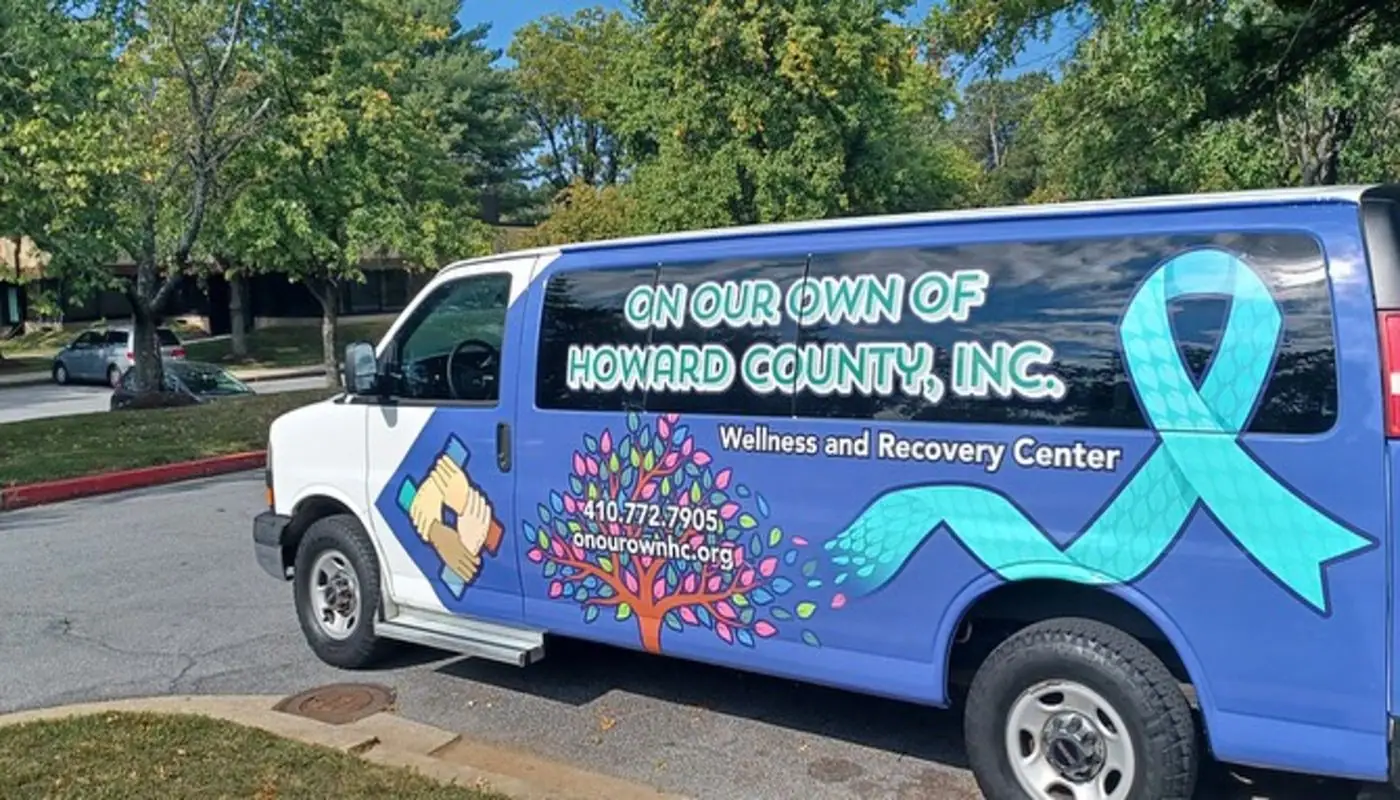
On Our Own of Howard County
4.9/514 Google reviews
Columbia, MDUsual stay 30 days
- Co-Occurring Mental Health
On Our Own of Howard County Columbia is a peer-run wellness center for people facing mental health and substance use challenges.
-
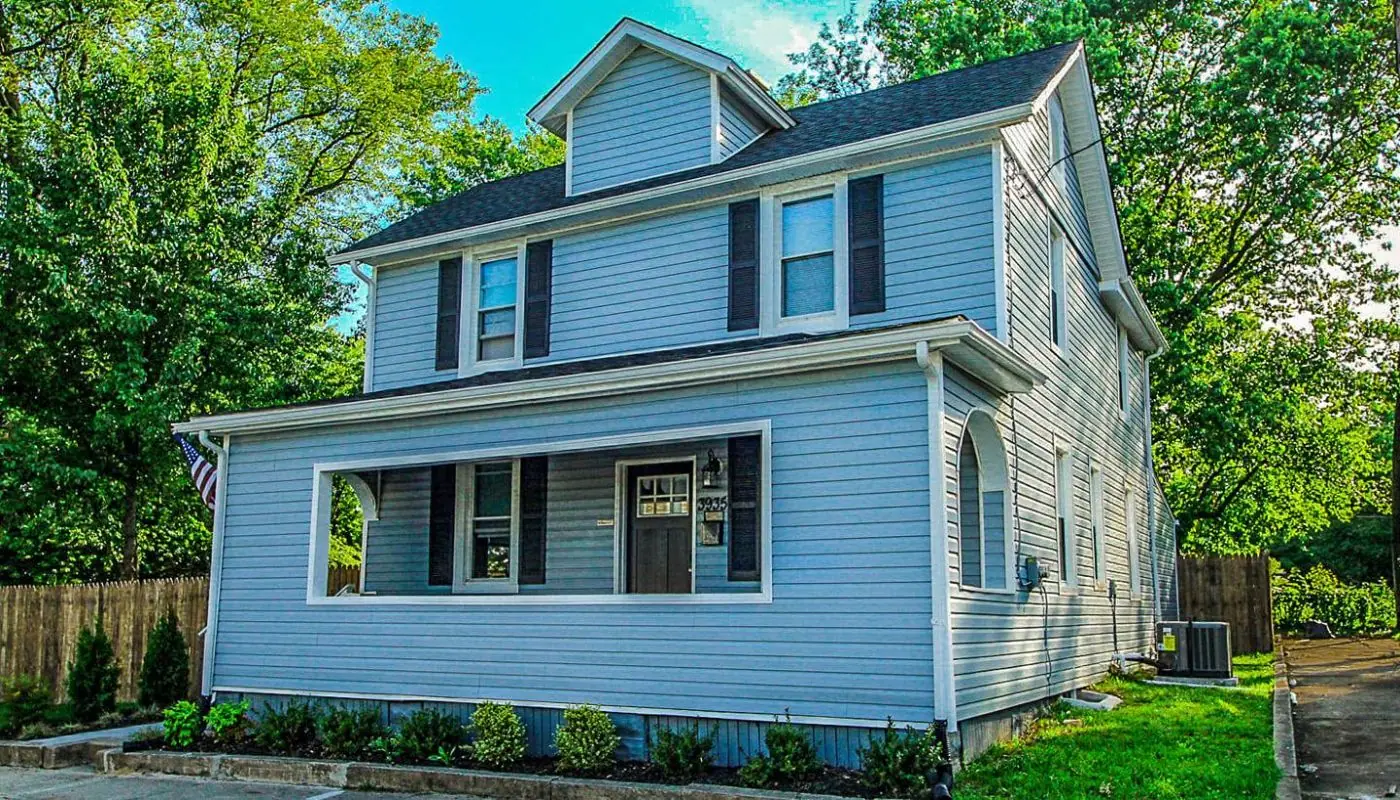
Humble Beginnings Recovery
5.0/551 Google reviews
Baltimore, MDUsual stay 30 days
- Residential Rehab
Humble Beginnings Recovery Baltimore serves men in a residential setting on Southern Avenue.
-
Worcester County Health Department
Joint CommissionPocomoke City, MDUsual stay 5 days
- Outpatient
The Worcester County Health Department Pocomoke City site is a publicly supported outpatient program.
-
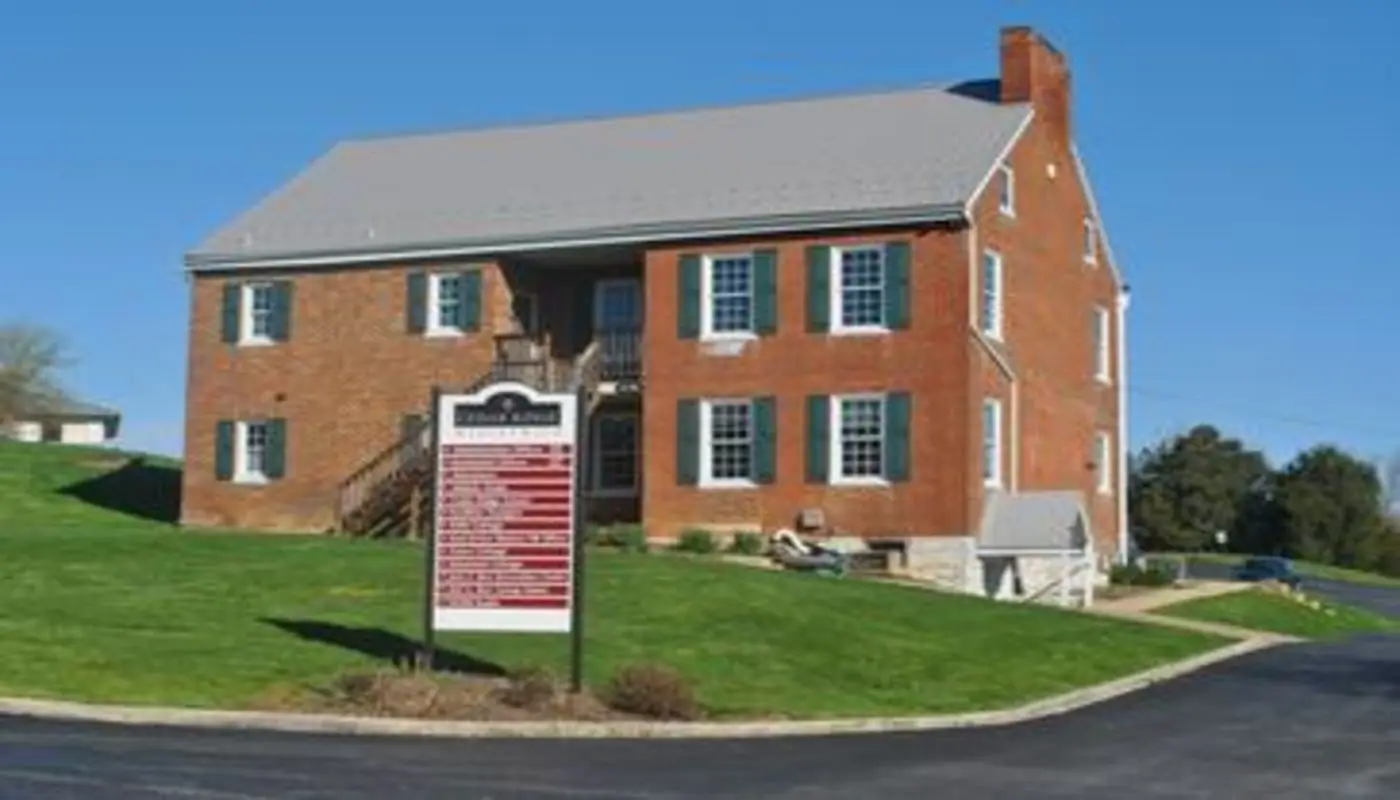
Cedar Ridge Ministries Childrens Home
1.0/54 Google reviews
Williamsport, MDUsual stay 30 days
- Residential Rehab
- Co-Occurring Mental Health
Cedar Ridge Ministries Childrens Home works with boys in rural Maryland.
-
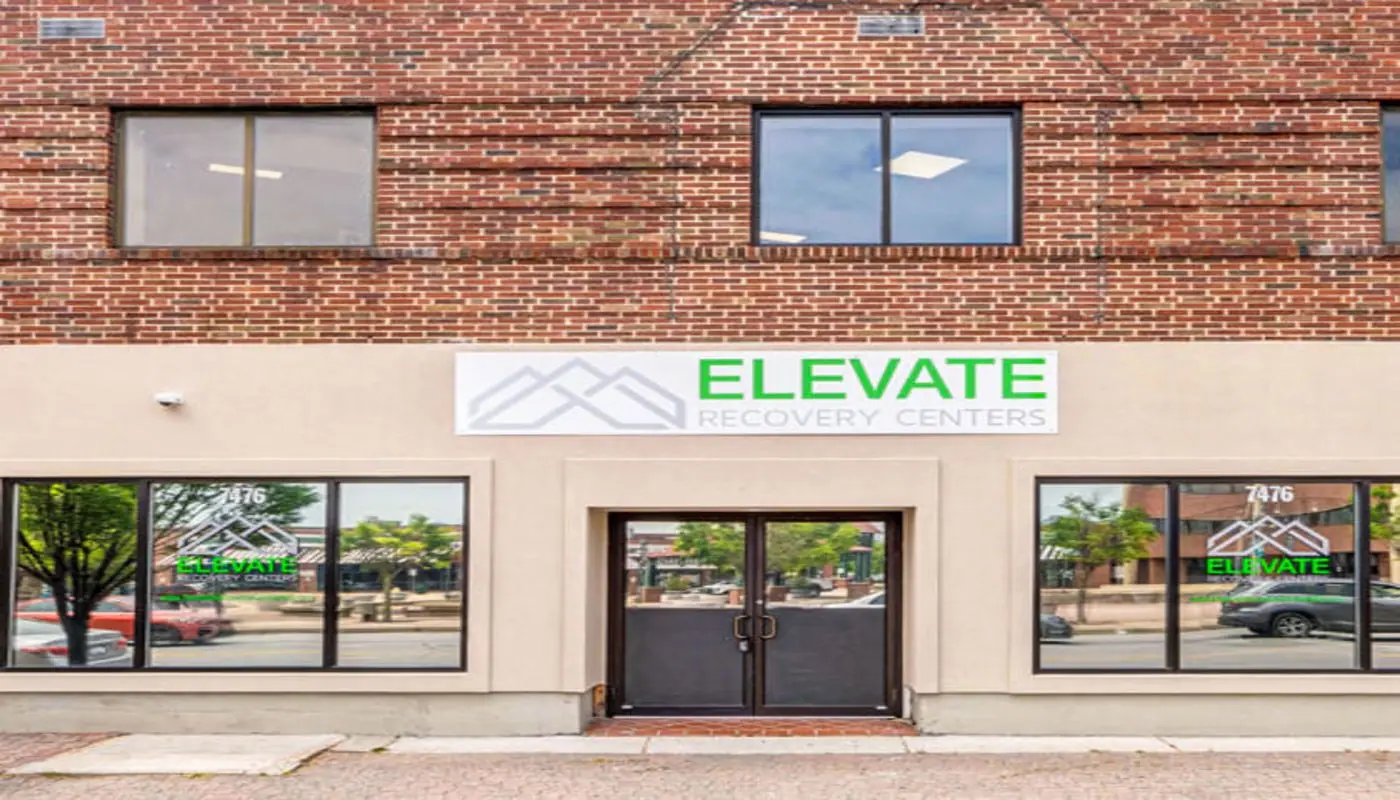
Elevate Recovery Centers
4.0/545 Google reviews
Glen Burnie, MDUsual stay 30 days
- Outpatient
- Co-Occurring Mental Health
When you are making calls on behalf of a family member or friend, questions tend to pile up fast.

Questions
What does Eating Recovery Center Bethesda treat?
Eating disorders are treated there in children, adolescents, women and men, together with co-occurring disorders. Care is outpatient, and a typical program runs roughly 30 days. Since the center lists eating disorders as its focus, families whose main concern is substance use should ask whether the program fits. Our helpline can point to other SAMHSA-listed options among the 422 facilities in Maryland.
Is this an inpatient or outpatient rehab program?
Outpatient. The center lists outpatient as the care option it provides, so appointments happen on a schedule instead of overnight, and a usual stay runs roughly 30 days. If you were expecting residential care, ask the staff directly what a week involves and whether they suggest another intensity of care our helpline can assist you compare outpatient and residential rehabs throughout Maryland at no cost.
Does Eating Recovery Center Bethesda accept Medicaid?
This guide cannot confirm whether Medicaid is accepted; the center lists cash pay rates, and insurance details must come from the center itself. Call and ask which plans are in network, what authorization is needed, and what your share would be. If Medicaid coverage is essential, verify it before you schedule, because Maryland listings vary widely on the plans each facility takes.
How do I arrange an assessment at this Bethesda center?
Reach the center at its Bethesda location on Arlington Road and request an intake assessment; staff can explain what records to bring and how soon an appointment is open. The Joint Commission accredits the center, which you can check independently. Our helpline can help you prepare questions and confirm availability, at no charge and with no commitment.
What therapies are offered at this center?
Listed services cover meditation and mindfulness, recreation therapy, music therapy, cognitive behavioral therapy, family therapy, experiential therapy, one-on-one counseling, art therapy, and acceptance and commitment therapy. All are provided in English through an outpatient plan that usually runs about 30 days. Ask which therapies would be part of your family member's specific plan and who leads each session.