Ashley Bel Air outpatient rehab
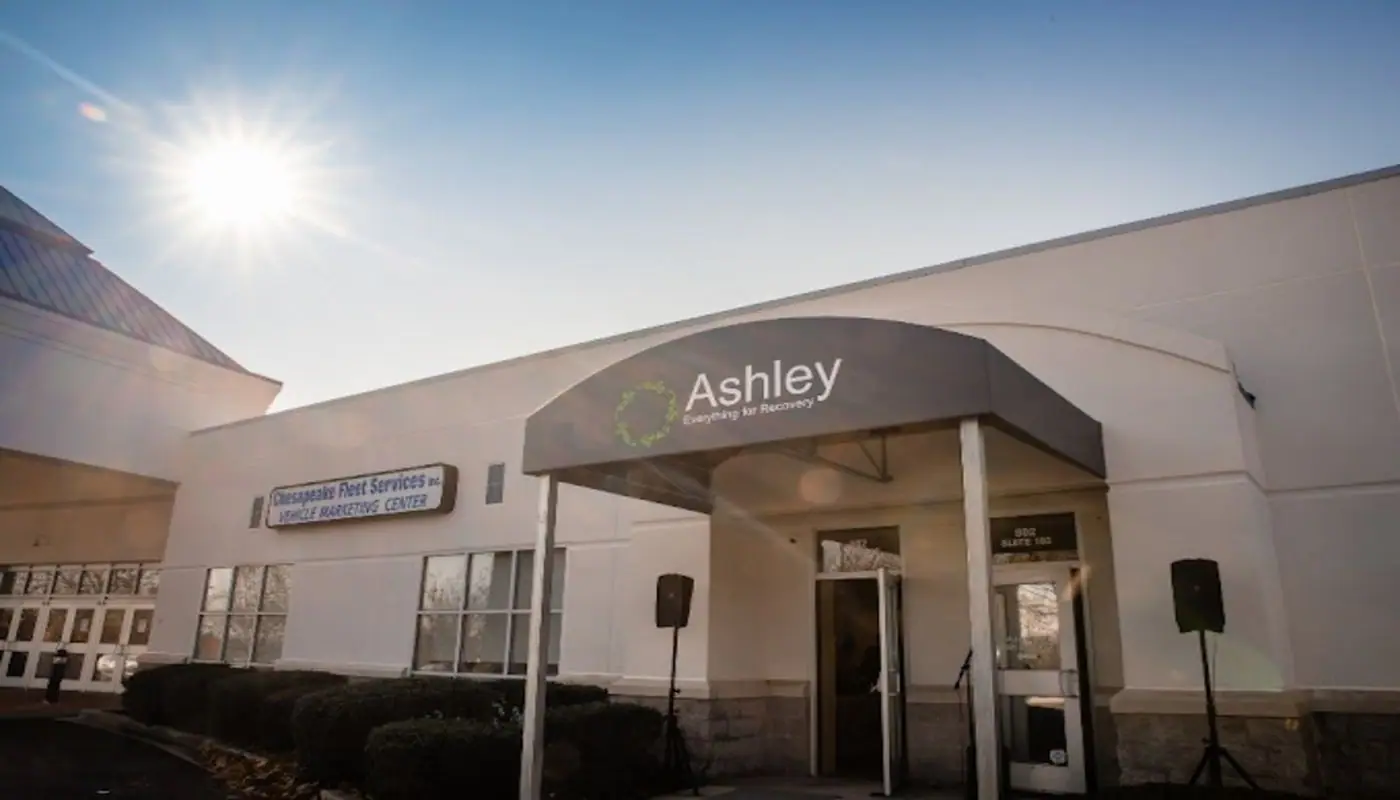
Ashley Bel Air provides outpatient addiction treatment for people with substance use disorders. The center offers three levels of care at 802 Baltimore Pike Suite 102. Its Joint Commission accreditation and medication-supported recovery may fit your family member.
- Joint Commission
- Outpatient
- Co-Occurring Mental Health
- 30+ days
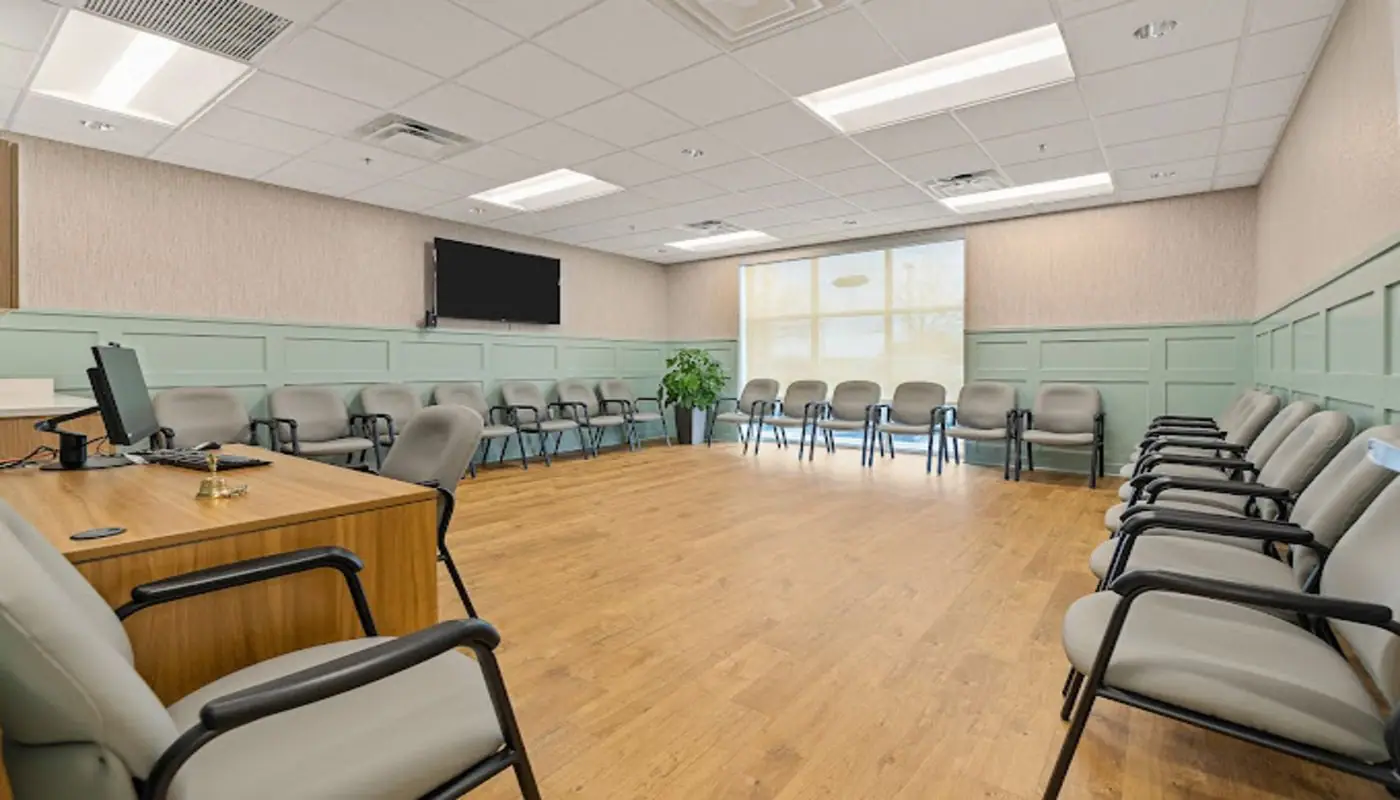
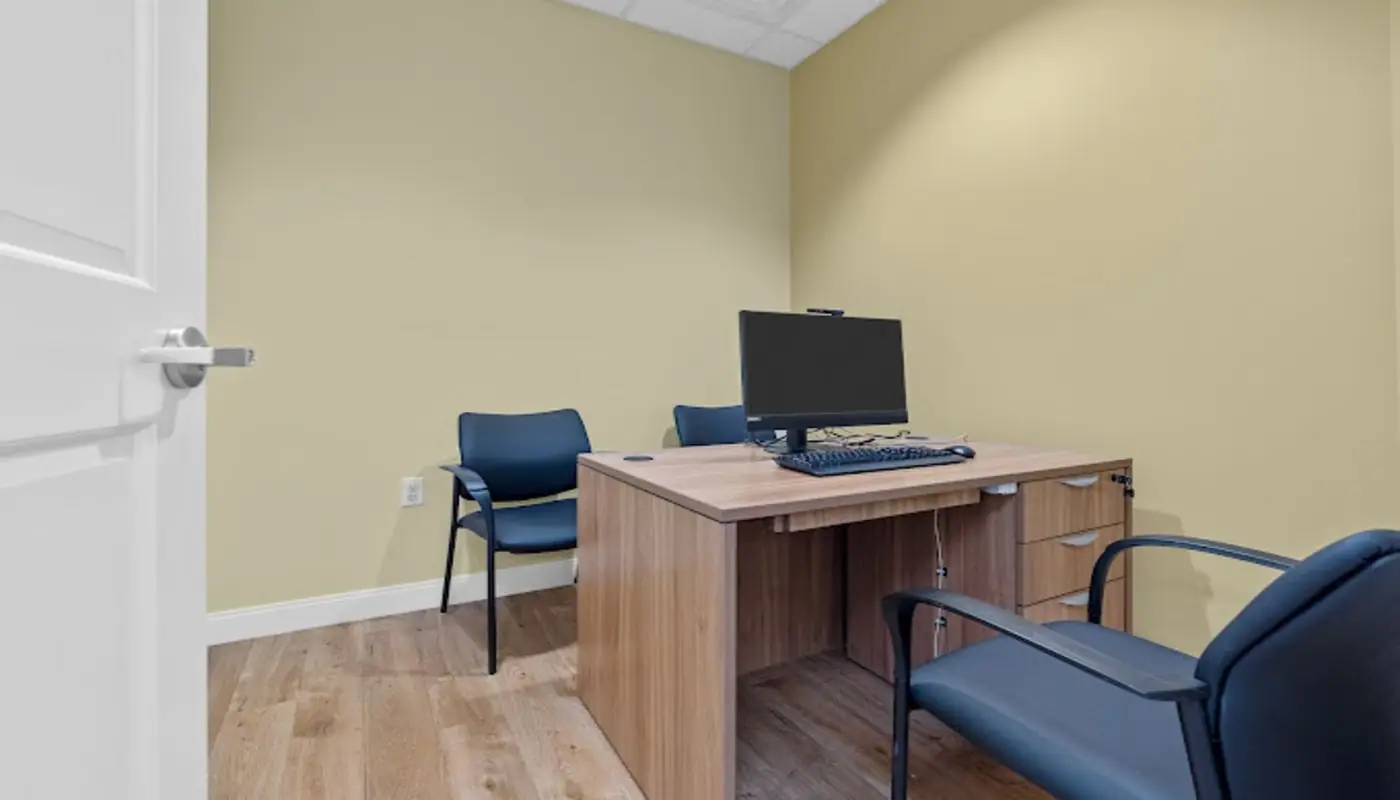
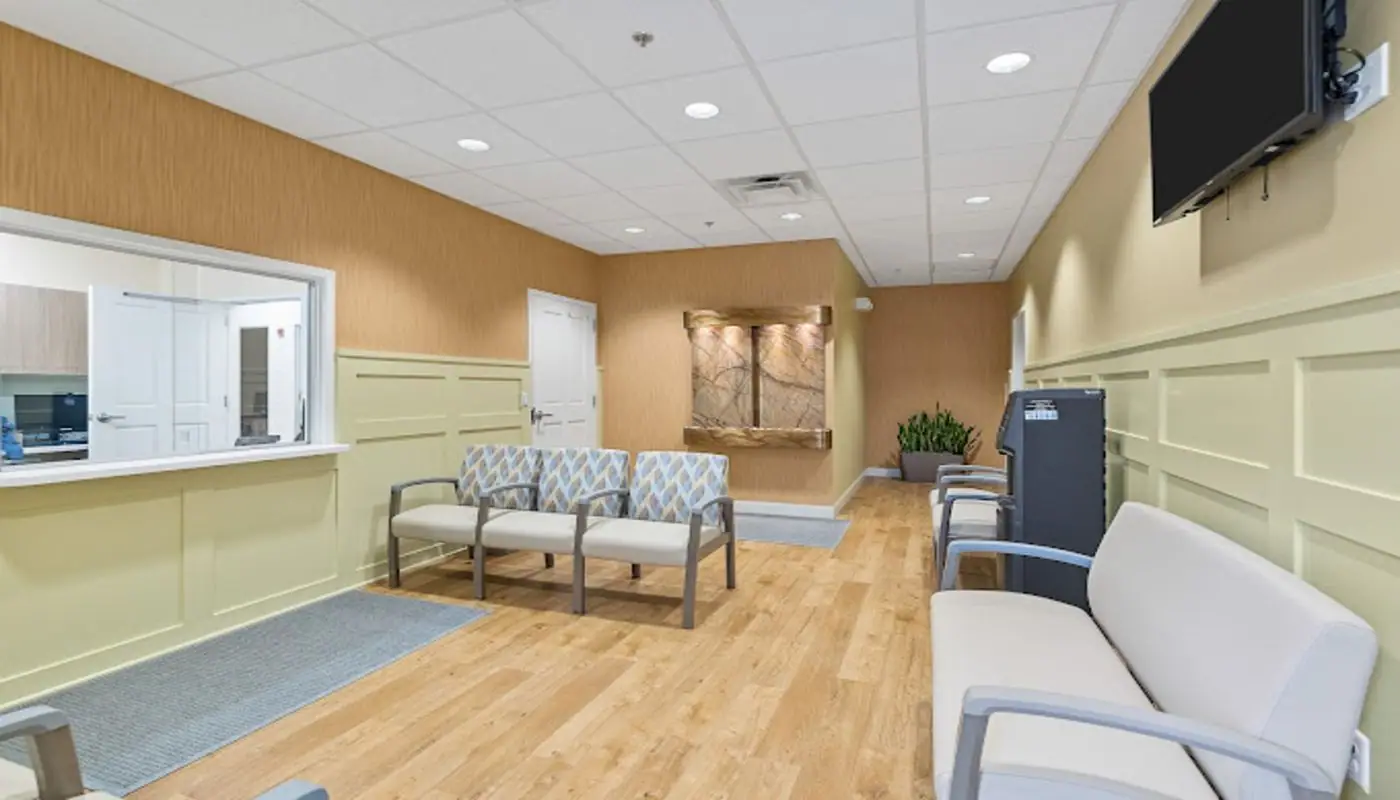
Ashley Addiction Treatment's Bel Air outpatient center gives people with substance use disorders and related mental health conditions a local place to get structured care. Your family member can start treatment directly at this site, or step down to it after completing residential care at the main campus in Havre de Grace. That flexibility can make a difference when someone needs support without leaving home.
This Bel Air location is one of 422 SAMHSA-listed facilities in Maryland and has served the community since 1983. Its approach pairs evidence-based therapy with medical support, so clients address the drug use and any concurrent mental health concerns together. The center treats adults, among them young adults, men and women, and people who identify as LGBTQ+.
Ashley Bel Air outpatient programs
Three outpatient tracks are available here: general outpatient (OP), intensive outpatient (IOP), and day treatment. Families in Maryland can pick among the three Ashley Bel Air outpatient levels to match the amount of structure that suits everyday life. OP fits clients whose home support is solid and who can manage their usual duties while coming in for weekly visits. With group therapy held at different points across the day, IOP and day treatment bring more structure. Counseling one on one, family therapy, and case management are part of every track.
Approaches offered include cognitive behavioral therapy, motivational interviewing, twelve step facilitation, relapse prevention counseling, and online therapy. This Bel Air rehab center in Maryland provides medication-assisted treatment for opioids and alcohol. Opioid use disorder is addressed with buprenorphine and naltrexone; alcohol use disorder with naltrexone, acamprosate, and disulfiram, all under medical oversight. The center calls its approach holistic, individualized, and evidence-based. Continuing care, outpatient treatment, a recovery coach, and support meetings are part of aftercare.
- Individual Treatment
- Motivational Interviewing
- 1-on-1 Counseling
- Holistic
- Family Therapy
- Group Therapy
- Medical
- Relapse Prevention Counseling
- Cognitive Behavioral Therapy
- Evidence-Based
Who the Bel Air program is built for
- Adults with substance use disorders, including opioids, alcohol, benzodiazepines, cocaine, heroin, methamphetamine, and prescription drugs
- Individuals with co-occurring disorders such as depression, anxiety, bipolar disorder, and anger issues
- Young adults, men and women, and people who identify as LGBTQ+
- Individuals stepping down from residential treatment or entering outpatient care directly
- Those who need medication support to manage cravings and withdrawal while in therapy
Program length, size, and setting
Most programs run 30 days or longer, depending on the level of care and individual needs. The Bel Air site is an outpatient center, so clients live at home or in supportive housing and attend appointments on a schedule. Services are offered in English. The center has a small, clinic-like feel rather than a residential campus. If you are arranging care for a family member, ask about the weekly time commitment for each program level.
Payment and insurance checks for Ashley
Private-self pay rates appear as a payment option. Insurance coverage is not stated in the facility's listing, so call the helpline to check whether your family member's plan covers outpatient care here. The helpline costs nothing, stays confidential, and commits you to nothing. Trained advisors link callers with licensed treatment providers who can help you understand costs and coverage before you decide.
Questions worth asking before admission
- Which level of care does my family member qualify for, and how many days a week does it meet?
- Does the center accept our insurance plan, and what would cash pay rates be if not?
- How does the center coordinate with the residential campus in Havre de Grace if a step-down is needed?
- What does medication-supported recovery look like here, and who manages prescriptions?
- What aftercare options are available, including recovery coaching and support meetings?
More centers for comparison
-
Safe Journey House
3.4/516 Google reviews
Hyattsville, MDUsual stay 30 days
- Residential Rehab
Safe Journey House Hyattsville is a residential program on Annapolis Road.
-
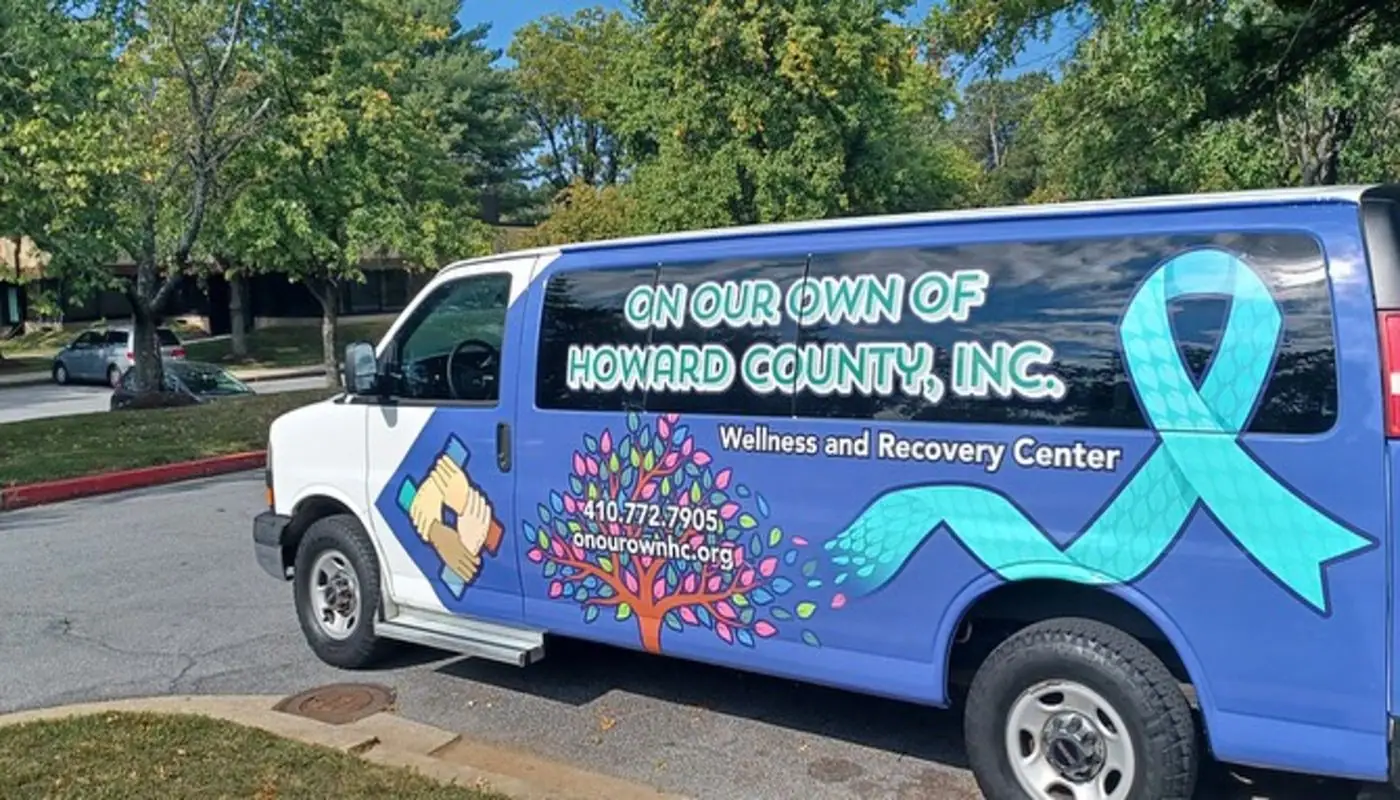
On Our Own of Howard County
4.9/514 Google reviews
Columbia, MDUsual stay 30 days
- Co-Occurring Mental Health
On Our Own of Howard County Columbia is a peer-run wellness center for people facing mental health and substance use challenges.
-
Humble Beginnings Recovery
5.0/551 Google reviews
Baltimore, MDUsual stay 30 days
- Residential Rehab
Humble Beginnings Recovery Baltimore serves men in a residential setting on Southern Avenue.
-
Worcester County Health Department
Joint CommissionPocomoke City, MDUsual stay 5 days
- Outpatient
The Worcester County Health Department Pocomoke City site is a publicly supported outpatient program.
-
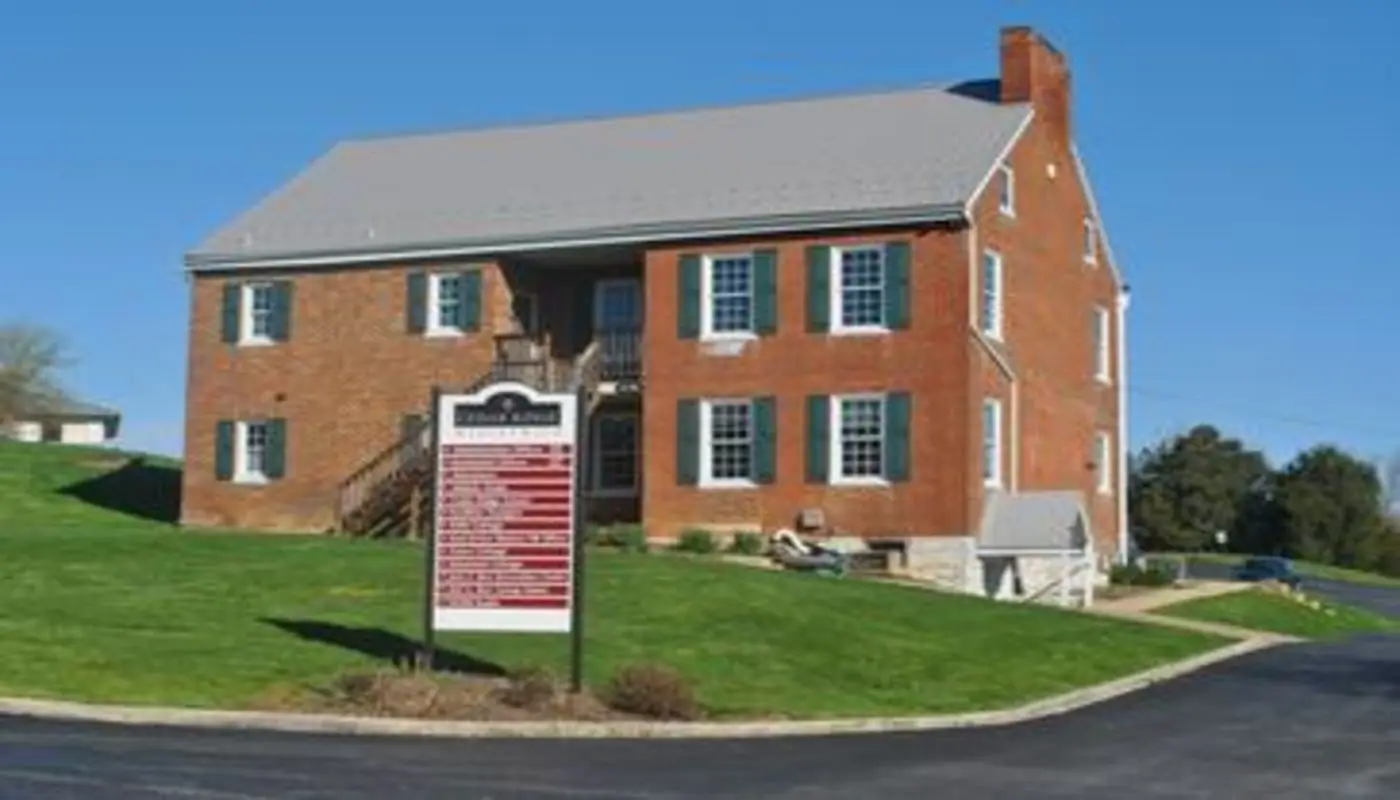
Cedar Ridge Ministries Childrens Home
1.0/54 Google reviews
Williamsport, MDUsual stay 30 days
- Residential Rehab
- Co-Occurring Mental Health
Cedar Ridge Ministries Childrens Home works with boys in rural Maryland.
-
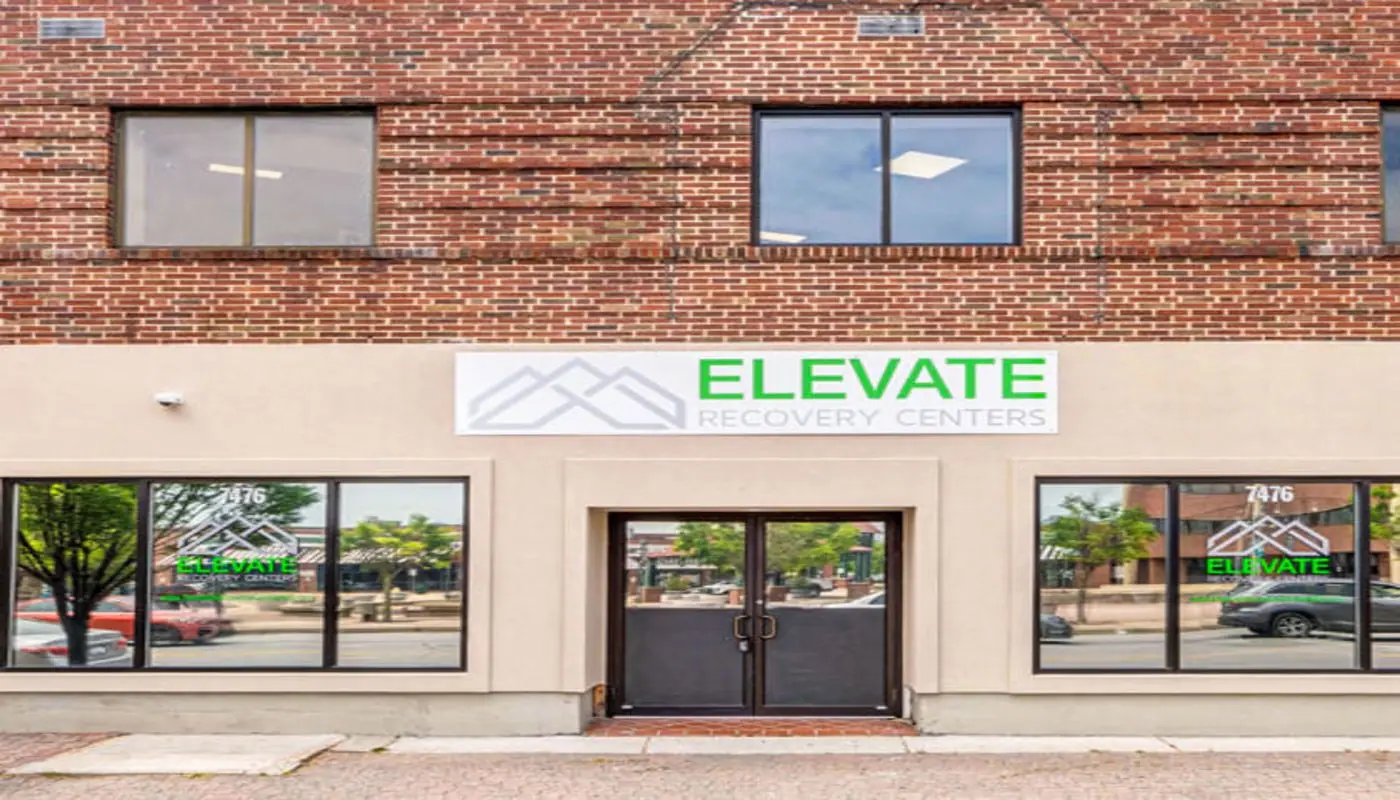
Elevate Recovery Centers
4.0/545 Google reviews
Glen Burnie, MDUsual stay 30 days
- Outpatient
- Co-Occurring Mental Health
When you are making calls on behalf of a family member or friend, questions tend to pile up fast.
Questions
What levels of care does Ashley Bel Air offer?
Clients can choose among three kinds of outpatient care: general outpatient (OP), intensive outpatient (IOP), and day treatment. General outpatient fits those who have solid support at home and come in for appointments each week. The intensive outpatient and day treatment options carry more structure, with group therapy held at different points during the day. All three include one-on-one counseling, sessions with family, and case management. How long someone stays varies with their situation, and many programs last 30 days or more.
Does Ashley Bel Air accept Medicaid or insurance?
The facility's listing does not say whether Medicaid or private insurance is accepted. Paying with cash is noted as an available option. Before you decide anything, the helpline can help confirm your coverage with the center. Reach out whenever it suits you, and a trained advisor will assist in checking what your family member's plan covers. The call costs nothing, stays private, and commits you to no treatment.
What is medication-assisted treatment at this center?
The center provides medication-supported recovery under medical oversight. For opioid use disorder, it offers buprenorphine and naltrexone. For alcohol use disorder, it offers naltrexone, acamprosate, and disulfiram. These medications are paired with therapy at Ashley Bel Air to support lasting recovery. A clinician manages prescriptions and monitors progress. The goal is to reduce cravings and withdrawal discomfort so clients can focus on counseling and relapse prevention.
How long do people stay in the outpatient program?
A usual program runs 30 days or longer, shaped by the level of care and what the person needs. With outpatient care, clients stay at home and come in for appointments. Some people step down from residential treatment at the Havre de Grace campus, while others begin straight at Bel Air. Ask the center how many weeks it would recommend for your family member's situation.
What should I ask before choosing a rehab center in Maryland?
Good questions include which level of care fits your situation, how many hours per week it involves, what insurance or cash payment would look like, and how medications are handled. At Ashley Bel Air, you can also learn how the outpatient site works alongside the residential campus in Havre de Grace. Our helpline is here to help you weigh options among the 422 SAMHSA-listed facilities in Maryland, at no charge and with nothing expected from you.